























































Gorilla Tourism in Bwindi Impenetrable National Park: Now Boosting Conservation and Local Communities
-
Blogs, Wellness, Culinary, Nature & Wildlife, Travel
-
-
4 mins
-
Travel and Tour World
-
Abhirup Gan
-


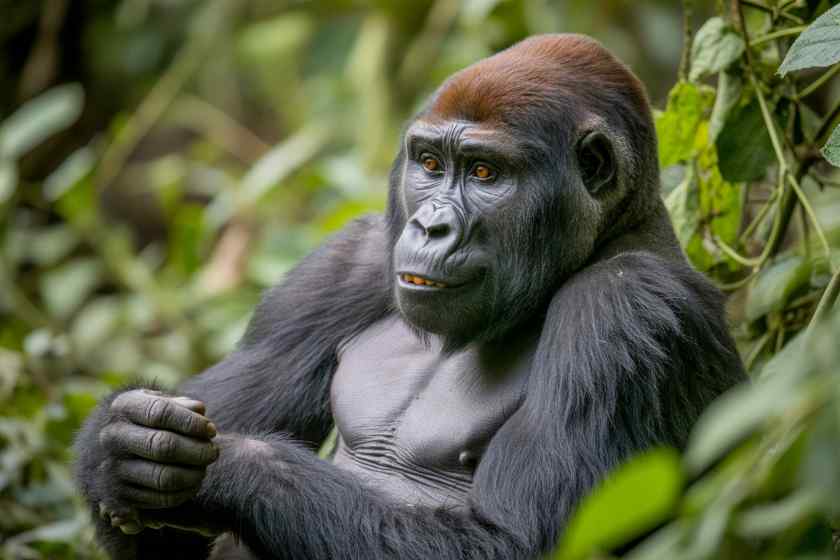
Gorilla tourism in Bwindi Impenetrable National Park supports conservation efforts and community development, with proceeds funding essential local projects.
In the southwest of Uganda is the Bwindi Impenetrable National Park, a UNESCO World Heritage site that is home to half of the world’s remaining mountain gorillas and famous for its tropical rainforests. Though the park’s difficult location and rough land provides obstacles for its tourists, its isolation enables visitors to see amazing animals in their own habitat. The booming tourism in Bwindi has provided a source of income for Uganda and supported the endangered gorillas’ conservation.
Gorilla trekking is perhaps one of the most popular and profitable activities in Uganda. For many people, spending almost $800 for a permit to be able see the animals up close is a trip they would take only once in their lives. The gorilla trekking people purchase permits for is used to support national projects in local communities like water and healthcare access systems. This supports the continued link between tourism and the local communities.
A Shift from Poaching to Conservation
The tourism economy in Bwindi has facilitated a significant transformation in local communities. In the past, many people living near the park depended on poaching and illegal hunting for survival, a practice that threatened the local wildlife, particularly the mountain gorillas. However, as the tourism industry has expanded, local attitudes toward wildlife have begun to shift.
Through community engagement and education, many former poachers have now become key players in wildlife conservation efforts. Several have been trained as park rangers and guides, working to protect the gorillas and educate visitors about the importance of preserving these animals. By providing an alternative livelihood, tourism has turned these individuals from poachers into passionate conservationists.
The involvement of local communities in conservation is critical to the long-term success of gorilla protection. The Uganda Wildlife Authority (UWA) has played an essential role in implementing sustainable conservation strategies, working closely with the local population to ensure that they see the benefits of protecting wildlife rather than exploiting it.
Financial Benefits for Local Communities
Gorilla tourism has significantly impacted local economies, bringing much-needed funds into the area. The revenue generated from gorilla trekking permits is shared between the UWA and local communities through a revenue-sharing scheme. A portion of each permit’s fee, as well as funds from park entry fees, is directed toward improving infrastructure, education, and healthcare in surrounding villages.
In the past, communities in the region faced significant challenges due to limited access to resources and basic services. However, the increase in tourism revenue has enabled the construction of new schools, the improvement of healthcare facilities, and the establishment of better water supply systems. This influx of funds has allowed the local population to improve their standard of living while directly benefiting from the growth of the tourism sector.
Sustainable Tourism Practices
The booming tourism industry in Bwindi also highlights the importance of sustainable tourism practices. Visitors come not only for the gorillas but for the opportunity to experience Uganda’s rich cultural heritage and stunning landscapes. To minimize the impact of tourism on the gorillas’ environment and ensure that the park’s fragile ecosystem remains protected, strict regulations are enforced during gorilla trekking activities.
For instance, visitors are required to maintain a minimum distance of 7 meters from the gorillas and are encouraged to follow specific guidelines designed to protect both the animals and their environment. Flash photography, which could potentially disturb the gorillas, is strictly prohibited. Furthermore, each gorilla trekking group is limited to a small number of visitors, which helps reduce the overall impact on the gorillas’ habitat and allows for a more intimate and respectful experience.
These measures ensure that the tourism activities do not disturb the natural behavior of the gorillas or damage the park’s biodiversity. Conservationists argue that these sustainable tourism practices are not only essential for protecting the gorillas but for preserving the surrounding flora and fauna as well. By promoting responsible tourism, Bwindi Impenetrable National Park continues to thrive as a major wildlife tourism destination while maintaining its commitment to conservation.
The Growing Demand for Gorilla Trekking
Uganda’s gorilla trekking experience has grown in popularity over the years, contributing significantly to the country’s tourism revenue. While the majority of visitors to the park are from abroad, an increasing number of Ugandans are also discovering the value of their own national treasures. The demand for gorilla trekking permits has surged, and Bwindi now faces the challenge of balancing conservation efforts with the growing influx of tourists.
In response to the increasing popularity of gorilla trekking, the UWA has made efforts to regulate the number of visitors to Bwindi. This has included limiting the number of permits sold each day to minimize the strain on the park’s resources and ensure that the experience remains intimate and respectful for both visitors and animals. The UWA’s policy also includes promoting tourism in other parts of Uganda, such as Mgahinga Gorilla National Park, where visitors can see the endangered gorillas in a different setting.
Challenges to Gorilla Conservation
Despite the success of tourism in supporting gorilla conservation, several challenges persist. One of the most significant threats to the gorilla population is disease transmission, particularly from humans. With gorillas being highly susceptible to human respiratory diseases, it is essential to maintain strict regulations during trekking activities to minimize the risk of disease spread. Visitors who are ill or show symptoms of contagious diseases are prohibited from trekking, and all trekkers must undergo health checks before entering the park.
Additionally, climate change and habitat loss pose ongoing threats to the survival of the mountain gorillas. As temperatures rise and rainfall patterns shift, the gorillas’ food sources and habitats may become increasingly difficult to sustain. The UWA, along with other conservation organizations, is actively monitoring these threats and working to implement adaptive measures to ensure the long-term protection of the gorillas.
The Future of Gorilla Tourism in Uganda
There is a good outlook on gorilla tourism in Uganda. This is because of the combined effort of conservation groups, local communities, and the UWA. Investments in community conservation and infrastructure tourism will also be beneficial for the mt. gorilla population Uganda has.
The conservation gorilla tourism has brought will further gorilla conservation etiquette within Uganda. Uganda gorilla tourism will be instrumental for the Uganda wildlife protection, and the local community’s sustainable development.
Bwindi Impenetrable National Park is a great case as study, as it demonstrates the relationship between community tourism development, wildlife protection and development of the wildlife tourism. There is a bubble for the mountain gorilla tourism. Any investment in the protection of wildlife is beneficial for the community.
Bwindi has record transit tourist, and this gorilla tourism is what makes the park the community conservation pillar of the world. Uganda has a beneficial relationship all tourists because gorillas will be the focal and tell it as it is, Uganda has done a lot for these species in gorilla.
The post Gorilla Tourism in Bwindi Impenetrable National Park: Now Boosting Conservation and Local Communities appeared first on Travel and Tour World














































Comments and Responses
Please login. Only community members can comment.