























































Get the Best of Bali: How the Currency Fall is Making Your Dream Vacation More Affordable
-
Blogs, Culinary, History & Art, Shopping, Travel
-
-
3 mins
-
Travel and Tour World
-
Abhirup Gan
-


With the Indonesian Rupiah weakening, tourists in Bali enjoy increased spending power, offering a unique opportunity to explore more during the low season.
As Bali enters its low season, a noticeable shift is taking place in the tourism landscape. The weakening of the Indonesian Rupiah has led to increased spending power for tourists, making it an excellent time for both international and domestic travelers to explore the island more affordably. While the rupiah’s decline has raised concerns in some sectors of the economy, it has created unexpected benefits for Bali’s vibrant tourism industry.
The ongoing decrease in the value of the rupiah has made Bali an even more attractive destination for international visitors. With more affordable prices for food, accommodations, and activities, tourists are finding that their travel budgets can stretch further, allowing for richer experiences and more indulgent stays. This dynamic has come at a time when Bali typically experiences its low season, which runs from November through March, making it the perfect opportunity to explore the island without the usual crowds.
The Impact of the Rupiah’s Decline on Bali’s Tourism
Bali’s status as a global tourism hotspot is largely driven by its accessibility and affordability. The latest fluctuations in the Indonesian rupiah are only enhancing the island’s appeal, especially for travelers from countries with stronger currencies. As the rupiah loses value, international tourists are benefiting from more favorable exchange rates, giving them more bang for their buck when booking accommodations, dining, and engaging in activities like surfing, shopping, or cultural tours.
For example, a typical tourist spending $100 in Bali during the low season can now enjoy more services, such as luxury hotel stays, fine dining, and guided excursions. Local businesses and service providers have taken note of the increased spending power and are adjusting their offerings to attract more tourists, providing various discounts and deals to make the most of the quieter months.
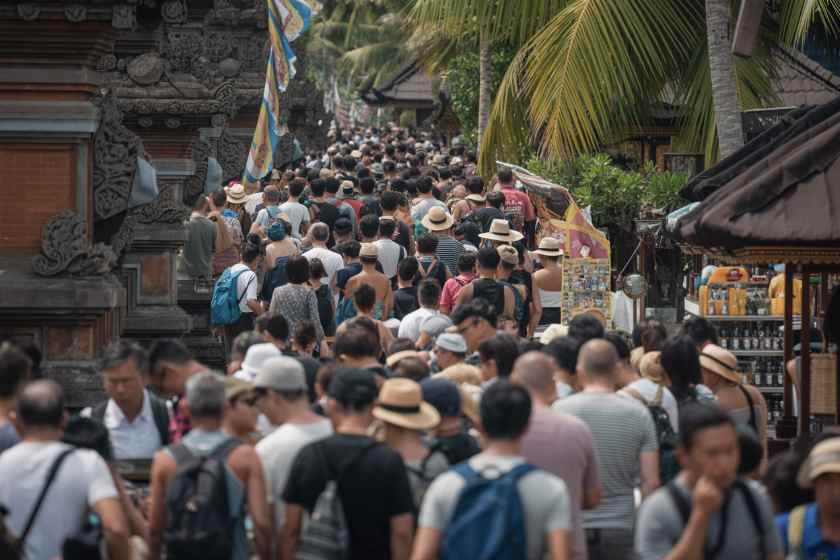
While Bali’s high season from July to September usually brings in large crowds, the low season offers a more peaceful experience. Tourists now enjoy the luxury of being able to enjoy Bali’s beaches, temples, and cultural attractions with fewer crowds, and at prices that are relatively lower due to the rupiah’s depreciation.
Increased Spending Power for Domestic Tourists
The weakening rupiah also offers domestic travelers within Indonesia more affordable opportunities to explore Bali. The island has long been a favorite destination for local tourists, and with the current economic shift, Indonesian travelers can now enjoy longer stays and more experiences at lower prices. This is likely to further increase domestic tourism, contributing positively to the local economy.
Exploring Bali on a Budget During the Low Season
Bali’s low season offers travelers a unique opportunity to explore the island without the usual hustle and bustle. Lower hotel rates, discounted activities, and fewer crowds mean that visitors can have a more relaxed and intimate experience while discovering Bali’s iconic landmarks. Whether you’re visiting the ancient Uluwatu Temple, hiking the majestic Mount Batur, or enjoying the serene beauty of Ubud’s rice terraces, there’s something magical about experiencing these sights in a more tranquil setting.
With the weakened rupiah, even luxury experiences have become more accessible. Many five-star resorts, villas, and spas are offering attractive packages for tourists who wish to indulge in premium experiences without breaking the bank. This makes Bali an even more compelling destination for travelers looking to treat themselves to a luxury getaway on a budget.
Spending Power for International Tourists
For international visitors, Bali is increasingly viewed as a destination that provides great value for money. Tourists coming from countries like the United States, Australia, the European Union, and other nations with stronger currencies are able to maximize their travel budgets. This trend has led to a noticeable rise in visits from regions with stronger economic standing, boosting tourism numbers in Bali’s off-peak months.
In particular, tourists looking to explore Bali’s world-renowned beaches, navigating the popular surfing spots, and enjoying the vibrant nightlife now find themselves able to do so at significantly reduced costs. Dining out, once a major expense for travellers, has become more affordable, and the island’s plethora of street food stalls and local markets offer even more options to suit the budget-conscious traveler.
The Future of Tourism in Bali
The decline of the rupiah, while a challenge for Indonesia’s broader economy, has opened doors for the tourism sector in Bali to continue flourishing, particularly by drawing international tourists who can take advantage of favorable exchange rates. As Bali remains one of Southeast Asia’s most coveted destinations, this new economic dynamic is likely to sustain growth in the tourism sector for the near future.
Additionally, the low season—which was once viewed as less attractive—now holds its own appeal, offering an excellent balance of affordability and tranquility. For those looking to enjoy Bali at a more relaxed pace, the months between November and March are perfect for exploring the island’s natural wonders and cultural attractions while benefiting from lower prices.
Conclusion: The Perfect Time to Visit Bali
Bali, with its unmatched natural beauty and rich culture, has always been a desirable destination. With the recent shifts in the Indonesian rupiah, now is a particularly opportune time to visit. Tourists can explore more, stay longer, and indulge in experiences that were once out of reach, all while enjoying the peaceful atmosphere of the island during its low season. Whether you are traveling from overseas or exploring from within Indonesia, Bali offers a diverse range of experiences, all at prices that are now more affordable than ever.
The post Get the Best of Bali: How the Currency Fall is Making Your Dream Vacation More Affordable appeared first on Travel and Tour World














































Comments and Responses
Please login. Only community members can comment.