
















































Oman and Saudi Arabia Lead Heritage Getaways Trend as Desert Resort and Historical Site Demand Rises 20% Ahead of 2027
-
Blogs, Wellness, Nature & Wildlife, History & Art, Shopping, Travel
-
-
4 mins
-
Travel and Tour World
-
Somudranil Sarkar
-


Discover why Saudi Arabia and Oman heritage getaways are surging 20% in demand ahead of 2027 with official data.
As modern travellers increasingly seek authentic cultural immersion over conventional beach holidays, official data highlights a remarkable 20% surge in demand for heritage getaways, desert resorts, and historical sites across Saudi Arabia and Oman ahead of 2027. Driven by strategic government investments, infrastructure enhancements, and a systemic shift towards sustainable tourism, the Arabian Peninsula has successfully positioned itself as a premier global hub for experiential cultural travel. National tourism boards report unprecedented interest in ancient trade routes, archaeological wonders, and luxury desert properties, signalling a transformative milestone for regional economic diversification.
Background and Strategic Evolution of Arabian Heritage Tourism
The Shift Toward Cultural Authenticity
For decades, global tourism models relied heavily on coastal resorts and metropolitan shopping hubs. However, recent indicators from regional ministries and international tourism authorities outline a structural pivot. Travellers are actively pursuing destinations that offer deep historical context, architectural preservation, and unspoiled natural landscapes. Saudi Arabia and Oman possess immense cultural capital, housing numerous UNESCO World Heritage Sites and ancient settlements that date back millennia.
Government Vision and Institutional Frameworks
The phenomenal rise in heritage tourism is no accident; it is the direct outcome of meticulously planned national visions. In Saudi Arabia, the ongoing implementation of tourism masterplans under national development strategies has unlocked remote historical corridors. Similarly, the Sultanate of Oman—through its structured long-term economic strategies—has systematically prioritized eco-tourism and heritage preservation. Official reports from national statistics offices confirm that robust public-private partnerships have accelerated the revitalisation of mudbrick forts, ancient oasis networks, and traditional desert encampments.
Latest Official Developments Across the Kingdom and the Sultanate
Saudi Arabia’s Archaeological and Desert Renaissance
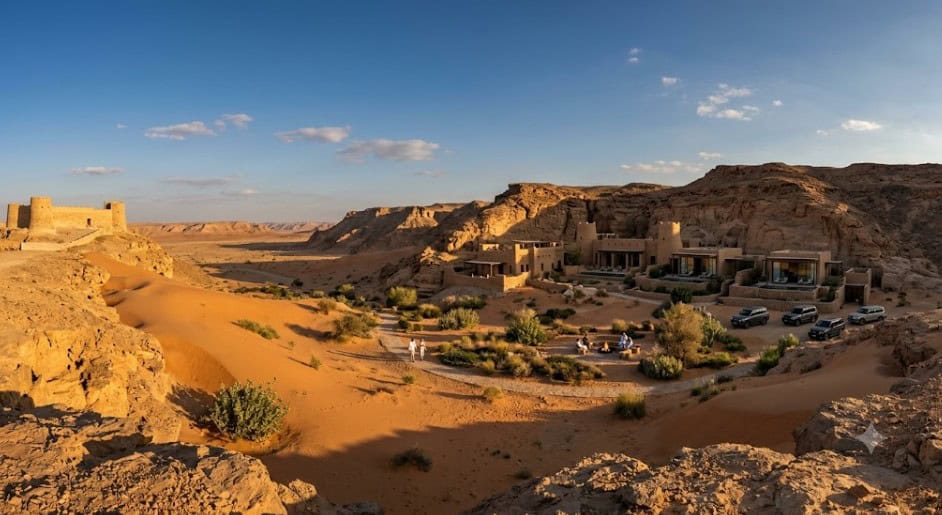
Saudi Arabia’s tourism landscape has undergone a dramatic metamorphosis. Key regions rich in history—such as AlUla, the historical districts of Diriyah, and the lush expanses of the Al Ahsa Oasis—have recorded substantial increases in visitor volumes. Official data released by the Saudi Ministry of Tourism highlights that domestic and regional exploration remains exceptionally resilient, underpinned by a collective push toward high-end desert architecture and cliff-carved luxury resorts like those in the Aseer Mountains and the Red Sea corridor.
The introduction of ultra-luxury, low-impact properties integrated seamlessly into pristine desert and mountainous topographies has redefined high-end hospitality. These developments prove that ecological sensitivity and luxury can coexist, attracting discerning international travellers eager to explore uncharted historical terrain.
Oman’s Sustainable Heritage Corridor
Oman continues to captivate global explorers through its unwavering commitment to preserving its authentic architectural identity. From the medieval mudbrick structures of Bahla Fort and the ancient beehive tombs of Bat and Al Ayn to the vibrant cultural tapestry of Nizwa, Oman’s tourism sector is expanding methodically.
Recent announcements from the Omani authorities detail multi-million-dollar investments directed toward upgrading eco-tourism infrastructure across protected nature reserves and heritage villages. The deployment of centralised digital portals, such as comprehensive national travel platforms, has further streamlined access, connecting international visitors directly with authentic community-based tourism providers.
Official Statistics and Economic Indicators
Quantitative Growth Trajectory
Authoritative statistical bulletins validate the robust financial health of the region’s tourism sector:
- Overall Market Expansion: Oman’s broader travel and tourism market valuation continues on a strong upward trajectory, underpinned by a projected compound annual growth rate exceeding 5% through the decade.
- Domestic Resilience: Saudi Arabia’s domestic tourism sector remains a powerful structural anchor, recording tens of millions of domestic trips and tens of billions in local tourism spending during early reporting periods, successfully offsetting global economic headwinds.
- Demand Surges: Dedicated analyses confirm a 20% year-on-year increase in targeted bookings for interior heritage properties, desert camps, and high-altitude historical retreats ahead of the 2027 travel windows.
Policy Implications and Sustainability Mandates
Balancing Preservation with Visitor Growth
The rapid expansion of heritage tourism necessitates stringent regulatory frameworks to protect fragile ecosystems and ancient archaeological structures. Ministries across both nations have enforced strict carrying capacities for sensitive ecological zones and UNESCO-designated landmarks.
Policy updates emphasise 100% renewable energy integration for newly developed remote resort clusters, waste reduction protocols, and mandatory community engagement programs. By empowering local artisans, agricultural cooperatives, and regional guides, the tourism policies ensure that economic benefits directly enrich host communities.
Industry Impact and Economic Diversification
Transforming Non-Oil GDP
The economic implications of this tourism boom are profound. Both nations view the sector as a critical pillar for reducing hydrocarbon dependency and expanding non-oil GDP contributions.
- Job Creation: Thousands of specialised roles in heritage conservation, boutique hospitality, curated expedition guiding, and digital tourism management have been created.
- SME Empowerment: Local small and medium-sized enterprises (SMEs)—ranging from traditional handicraft makers to regional transport providers—experience direct commercial uplift from the influx of cultural travellers.
- Infrastructure Synergy: Investments in regional airports, paved mountain roadways, and sustainable utility grids have modernised remote hinterlands, improving general public utility while driving commercial growth.
Expert and Official Statements
Senior officials from regional tourism authorities have repeatedly emphasised that the future of travel lies in authenticity and respect for local heritage. An official briefing note from the region’s tourism councils stated:
“Our collective objective is to showcase our deep-rooted history, ancient trade routes, and unique natural environments without compromising their integrity. The accelerated demand for heritage getaways proves that modern global citizens yearn for meaningful, educational, and respectful travel experiences.”
Furthermore, international hospitality analysts note that properties blending vernacular Arabian architecture with ultra-modern sustainable engineering are setting global benchmarks for luxury and cultural tourism.
Future Outlook Ahead of 2027
As the industry looks ahead to 2027, the trajectory for Saudi Arabia and Oman points towards sustained, high-value expansion. Upcoming hotel pipeline openings, expanded flight connectivity to regional cultural hubs, and deeper integration of cutting-edge digital travel planning tools will continue to lower friction for international visitors.
With continuous government backing, stringent environmental protections, and an unyielding commitment to authentic storytelling, the Arabian Peninsula is firmly cemented as the world’s most dynamic emerging frontier for heritage and desert exploration.
The post Oman and Saudi Arabia Lead Heritage Getaways Trend as Desert Resort and Historical Site Demand Rises 20% Ahead of 2027 appeared first on Travel and Tour World














































Comments and Responses
Please login. Only community members can comment.