
From Forest to Future: How Indigenous Peoples across Asia and the Pacific are shaping the future of food
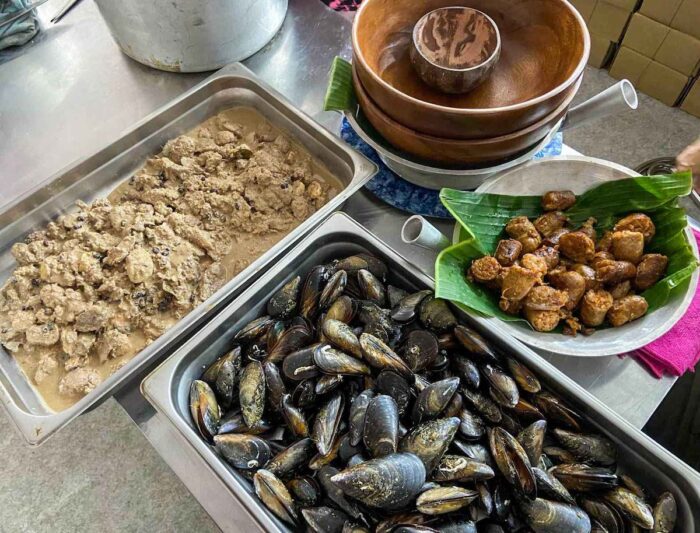
Slow Food featured at the Philippine Pavilion
-
Travel, Blogs, Culinary, Nature & Wildlife, History & Art
-
-
7 mins
-
Out of Town Blog
-
Melo Villareal
-


Communities of youth, women, and elders from across Asia and the Pacific are uniting to defend biodiversity and ancestral knowledge, drawing strength from food traditions that foster climate resilience and cultural pride. Stretching from the majestic Himalayas to the vibrant Pacific islands, Indigenous leaders and food advocates are set to gather at Terra Madre Asia […]
Communities of youth, women, and elders from across Asia and the Pacific are uniting to defend biodiversity and ancestral knowledge, drawing strength from food traditions that foster climate resilience and cultural pride.
Slow Food featured at the Philippine Pavilion
Stretching from the majestic Himalayas to the vibrant Pacific islands, Indigenous leaders and food advocates are set to gather at Terra Madre Asia & Pacific 2025 in Bacolod, Philippines (November 19–23). This gathering highlights how their ancestral food practices and wisdom offer vital lessons for building more sustainable and just food systems worldwide.
These delegates—farmers, chefs, educators, and activists—from the Slow Food Indigenous Peoples Network (SFIPsN) are leading the way in revitalizing traditional crops, protecting forests, and encouraging young people to take pride in their culinary heritage. Their work is supported by the International Fund for Agricultural Development (IFAD), whose mission centers on values such as reciprocity, biodiversity, and respect for the Earth—values vital to our planet’s future.
IFAD places rural people at the heart of its mission. In Asia and the Pacific, IFAD investments foster gender equality, enhance food security, boost employment for rural youth, and strengthen climate resilience. Through targeted climate finance, IFAD helps small-scale farmers build infrastructure, adopt climate-smart agricultural tools, implement nature-based solutions, and set up early warning systems to better adapt to climate change.
Aruna Tirkey and Anmol Ignatius Toppo, from India’s Jharkhand region, are reintroducing Indigenous ingredients such as mahua and kudrum to modern consumers. Through their efforts, they are empowering both tribal farmers and women leaders. They took part in the IFAD-supported SFIPsN Academy on Agroecology and Indigenous Peoples’ Food Systems—a regional training program cultivating a new generation of food sovereignty champions.

Plorentina Dessy photo via Facebook
Plorentina Dessy, a young Dayak woman and IFAD seed-funding recipient in Indonesia, educates Indigenous youth in West Kalimantan about the role of ancestral food traditions in preserving both cultural heritage and the forest. Meanwhile, in Bali, Gusti Ayu Komang Sri Mahayuni strengthens biodiversity through community gardens, seed exchanges, and farmers’ markets, which are now integral to daily life.

Secretary Frasco visiting the Slow Food Pasil Booth at Terra Madre Visayas Ground in Bacolod City
Rowena Gonnay, a Kalinga Tribe member, Unoy Rice Presidium member, and IFAD-supported leader, has established more than 13 Slow Food communities in the Philippines to safeguard heirloom, climate-resilient rice varieties from extinction. Additionally, young Indigenous leaders like Alicia Kate Bayangan, Daniel Jason Maches, and Jamar Garcia exemplify how youth can integrate entrepreneurship, traditional practices, forest protection, and climate awareness.
Pasang Sherpa of Nepal, working with the Slow Food Youth Network Nepal, links food, culture, and climate education in the Himalayas—encouraging students and farmers to view food as essential to dignity and sustainability. Meanwhile in Thailand, Lee Ayu and Kittipan Korkaew are creating fair Indigenous economies by supporting hundreds of Akha families through coffee production and agroecology, quietly sparking a revolution, one cup at a time.
Coordinated by Kung Lien-Xu, Asia representative of the SFIPsN Advisory Board, Taiwan’s Indigenous leaders set an example for regional collaboration. Since 2019, the Slow Food Hualien network has united educators, fisherfolk, navigators, youth, and chefs by organizing Indigenous Terra Madre events, establishing Slow Food Communities and an Indigenous Cooks Alliance, and hosting the IFAD-funded Slow Food Academy on Indigenous Peoples and Agroecological Food Systems. Their collective efforts focus on reclaiming local traditions through food and knowledge.
“Our food carries the memory of our ancestors and the promise of a fairer future,” says Rowena Gonnay of the Philippines. “Protecting it means protecting who we are.”
By supporting these initiatives, the Slow Food Indigenous Peoples Network and IFAD demonstrate that the answers to today’s global challenges may be found in the seeds, stories, and traditions of Indigenous peoples, who have always known how to live in balance with nature.
Bacolod Travel Tour Packages You Should Try
<script type="text/javascript"></p> <p> (function (d, sc, u) {</p> <p> var s = d.createElement(sc),</p> <p> p = d.getElementsByTagName(sc)[0];</p> <p> s.type = "text/javascript";</p> <p> s.async = true;</p> <p> s.src = u;</p> <p> p.parentNode.insertBefore(s, p);</p> <p> })(</p> <p> document,</p> <p> "script",</p> <p> "https://affiliate.klook.com/widget/fetch-iframe-init.js"</p> <p> );</p> <p></script>
Follow and Subscribe to OutofTownBlog.com on Facebook , Twitter, Instagram, Pinterest, and YouTube for more Travel related updates.
The post From Forest to Future: How Indigenous Peoples across Asia and the Pacific are shaping the future of food appeared first on Out of Town Blog
Comments and Responses
Please login. Only community members can comment.