
France Joins Spain, Italy, Turkey, UK, Germany, Greece, and Others in Bolstering Europe’s Dominance in Global Travel Expansion With a Surge in Tourist Arrivals and Revenue This Year, Know What New Data Reveals

-
Blogs, Wellness, Culinary, History & Art, Travel
-
-
5 mins
-
Travel and Tour World
-
Swagata Dey
-


France, Spain, Italy, UK, Germany, Greece lead Europe’s global tourism surge with record arrivals and revenue; travel tips for tourists and business visitors.
France, Spain, Italy, the United Kingdom and Greece are at the forefront of a powerful rebound in global travel demand, propelling Europe’s continuing dominance in international tourism this year. New data from the UN World Tourism Organization (UN Tourism) and regional indicators show that Europe — already the world’s largest destination region — continues to attract record numbers of travellers from around the world. The surge in visitor numbers and tourism receipts reflects growing confidence among tourists and business travellers, even amid economic and geopolitical uncertainties.
For holidaymakers and professionals planning trips, this rebound means Europe is offering more reasons than ever to visit: world‑class cultural experiences, historic cities, sun‑soaked beaches, Michelin‑starred dining, and unforgettable seasonal attractions.
How Europe’s Tourism Sector Is Expanding
According to the UN Tourism Barometer, international tourist arrivals overall grew by approximately 5 per cent in the first nine months of 2025 compared with the same period in 2024. This continued positive trend mirrors earlier forecasts predicting 3–5 per cent growth for global tourism overall in 2025. Although global factors such as inflation in travel services and geopolitical tensions present challenges, tourism demand remains resilient.
In regional terms, Europe welcomed an estimated 747 million international arrivals in 2024, surpassing pre‑pandemic levels, and growth has been sustained into 2025.
France: Europe’s Unmissable Tourism Powerhouse

France continues to hold its position as one of the most visited destinations in the world, with over 100 million international visitors recorded in recent years — a figure boosted in part by major global events like the Paris Olympics.
Tourism contributes significantly to the French economy through hospitality, gastronomy, wine tourism, culture and heritage travel. Visitors flock to Paris, the Riviera, Loire Valley châteaux and rural countryside, underscoring the diversity of French travel experiences.
Spain: Sun, Culture and Record‑Breaking Tourism

Spain has firmly established itself among the world’s top tourism earners, welcoming nearly 94 million international tourists in 2024 — the country’s best year on record. Revenue from inbound tourism in recent years exceeded €126 billion, reinforcing the sector’s critical role in Spain’s economy.
Spain’s appeal spans from Mediterranean beaches and island destinations to historic cities like Seville and cultural hubs such as Barcelona and Madrid, drawing travellers from North America, Europe and beyond.
United Kingdom: Diverse Experiences and Global Appeal

The United Kingdom also ranks among Europe’s most visited destinations, with millions of inbound tourists drawn to London, Edinburgh, Manchester, and other iconic locations. Popular attractions range from royal palaces and historic castles to music festivals and extensive cultural offerings.
UK inbound tourism also supports business travel, with exhibitions, conferences and corporate events driving consistent demand alongside leisure visits.
Italy and Greece: Heritage and Sun‑Kissed Destinations
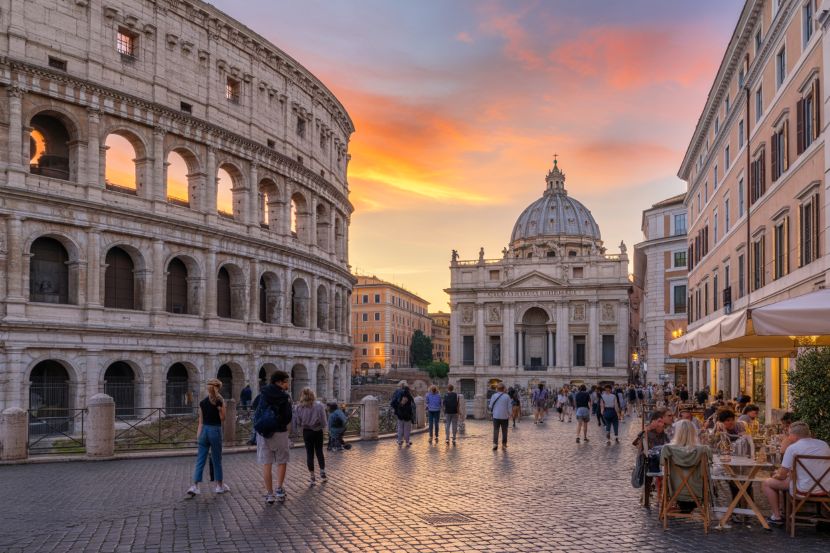
Italy remains a perennial favourite for global visitors, combining art, culture, cuisine and scenic landscapes that include the Amalfi Coast, Tuscany and Rome’s historic core.
Greece continues to see strong international arrivals — often from markets like Germany, the UK and France — drawn to its islands, ancient ruins and cosmopolitan cities.
Tourism Revenue and Economic Impact
Europe’s tourism industry is not only about visitor numbers. Travel spending has become a powerful economic engine. A recent report forecasts international tourist spending in Europe to rise by about 11 per cent in 2025, reaching an estimated $838 billion, underlining the continent’s global appeal and strong tourism expenditure.
This revenue growth supports jobs, investment in infrastructure and local economies across Europe’s cities and regions.
Impact on Business Travel and Leisured Tourism
Business travel:
- Major European hubs such as London, Paris, Berlin and Rome combine business and leisure travel (bleisure) opportunities.
- Conferences, trade fairs and corporate events create additional inbound demand and stimulate extended stays and higher hotel occupancy.
Leisure tourism:
- Tourists planning city breaks, beach holidays or cultural tours will find strong travel services, wide connectivity and varied experiences.
- Europe’s extensive rail network, budget airlines and cruise services broaden travel options for international visitors.
Step‑by‑Step Travel Guidelines for Tourists
To make the most of Europe’s bustling travel environment:
- Plan in Advance: Book flights and accommodation early, especially during peak months like summer and holiday seasons.
- Verify Entry Requirements: Check visas, ETIAS (for eligible nationalities after 2025) and health guidance via official sources (e.g., gov.uk or respective tourism boards).
- Book Major Attractions: Reserve entry to museums, cultural sites and exhibitions in advance to avoid queues.
- Explore Regional Options: Consider off‑season or lesser‑visited regions for value and quieter travel experiences.
- Travel Insurance: Always ensure your policy covers cancellations, medical needs and travel interruptions.
Quick Travel Tips for Tourists
- Public Transport Passes: Secure city travel cards (e.g., Paris Visite, London Oyster) for cost‑effective transit.
- Stay Central: Book accommodation near city centres to minimise transit times.
- Seasonal Offers: Look for shoulder‑season deals in spring and autumn.
- Food and Culture Tours: Culinary and heritage tours often book out early — plan ahead.
- Safety and Health: Monitor travel advisories and health guidance from national tourism and public health authorities.
Key Points in Bullets
- France, Spain, UK, Italy and Greece lead Europe’s tourism recovery with strong inbound arrivals.
- Europe registered robust increases in international tourists in 2024 and 2025.
- Spain achieved a record ~94 million international visitors in 2024.
- Tourism spending in Europe is forecast to grow about 11 per cent in 2025.
- Business and leisure travel both contribute to tourism resilience.
Conclusion: A Renewed Era of European Travel
Europe’s strong tourism performance in 2025 reflects its continued appeal to global travellers. From the cultural riches of France to Spain’s sun‑soaked coasts, the UK’s dynamic cities, Italy’s historical wonders and Greece’s Mediterranean charm, millions of visitors are discovering Europe’s diverse attractions. Sustained growth in arrivals and tourism spending through 2025 suggests that Europe’s tourism resurgence is not only robust but set to provide unforgettable experiences for holidaymakers, cultural explorers and business travellers alike.
For the most accurate entry and travel guidance, consult official government tourism and travel sites before planning your next European adventure.
Disclaimer: The Attached Images in This Article are AI Generated
The post France Joins Spain, Italy, Turkey, UK, Germany, Greece, and Others in Bolstering Europe’s Dominance in Global Travel Expansion With a Surge in Tourist Arrivals and Revenue This Year, Know What New Data Reveals appeared first on Travel and Tour World
Comments and Responses
Please login. Only community members can comment.