























































First-Time in Los Angeles: 12 Insider Tips to Make the Most of Your Trip
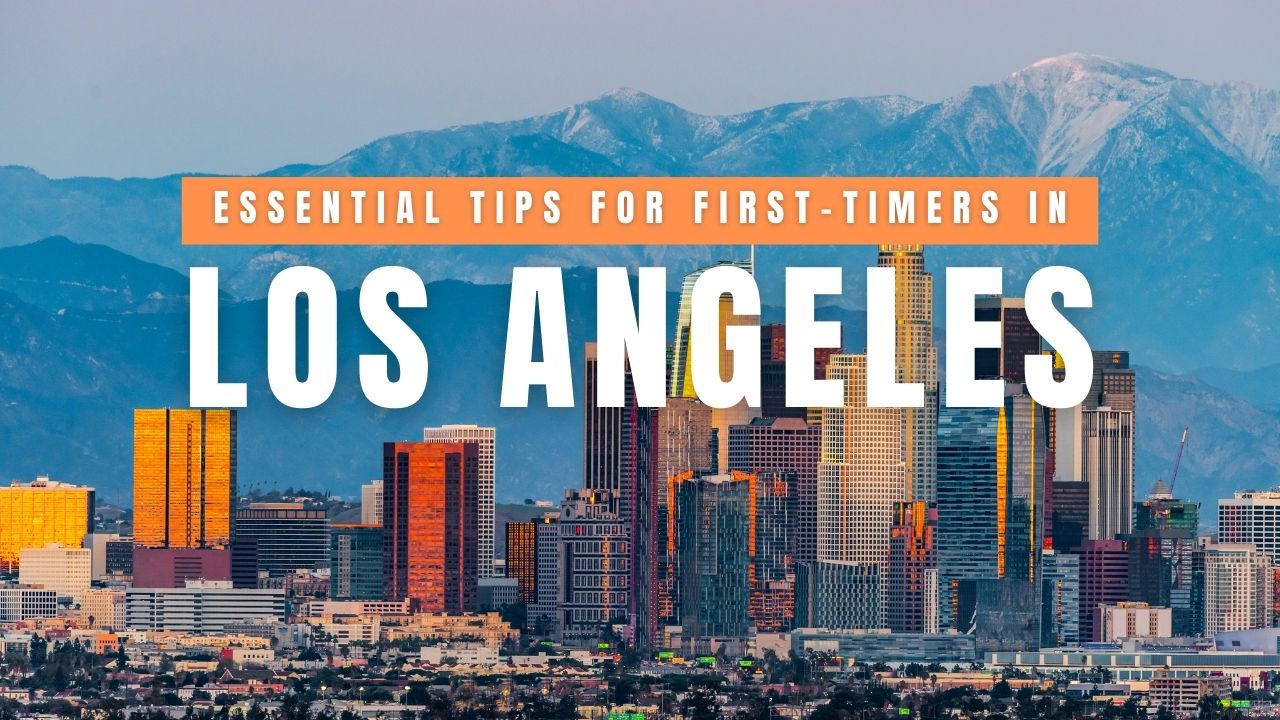
Essential Tips for First-Timers in Los Angeles CA
-
Travel, Blogs, Immigration, Entertainment, Culinary, History & Art, Shopping
-
-
20 mins
-
Out of Town Blog
-
Team Out of Town
-


12 Essential Tips for First-Timers in Los Angeles, California Planning your first trip to Los Angeles, California, can seem daunting — the city is vast, traffic is notorious, and each neighborhood feels like a separate destination. A well-crafted LA travel guide, practical itinerary planning, and setting realistic expectations will help make your visit memorable rather than stressful. From handling LA […]
First-Time in Los Angeles: 12 Insider Tips to Make the Most of Your Trip
12 Essential Tips for First-Timers in Los Angeles, California
Planning your first trip to Los Angeles, California, can seem daunting — the city is vast, traffic is notorious, and each neighborhood feels like a separate destination. A well-crafted LA travel guide, practical itinerary planning, and setting realistic expectations will help make your visit memorable rather than stressful. From handling LA traffic and transportation to visiting famous Hollywood sights, relaxing on Southern California beaches, and choosing where to stay, thorough preparation is crucial in LA more than in almost any other U.S. city.
Essential Tips for First-Timers in Los Angeles CA
Unlike compact cities, Los Angeles has things to do spread across miles of coastline, hills, studios, and cultural districts. First-time visitors often underestimate distances, overbook activities, and miss out on the authentic LA lifestyle. These expert travel tips will help you explore efficiently, save money, avoid tourist mistakes, and experience the real Los Angeles — from movie landmarks and scenic drives to food culture and local neighborhoods.
Below are 12 essential first-timer tips to help you plan the perfect Los Angeles vacation.
1. Rent a Car — Public Transport Won’t Cover Everything

Rent a Car in Los Angeles
Los Angeles is not a walkable city, and while public transportation exists, it won’t efficiently reach most major tourist attractions. The Los Angeles Metro Rail connects downtown areas and a few tourist zones, but iconic locations such as the Hollywood Sign viewpoints, Malibu beaches, and many studios require driving. First-time visitors often plan a tight Los Angeles itinerary, assuming short distances — then lose hours waiting for buses or rideshares.
Renting a car dramatically improves your experience. You can combine multiple LA tourist attractions in one day: Griffith Observatory at sunrise, Santa Monica Pier by afternoon, and a sunset drive along the Pacific Coast Highway. Without a car, that would be a full-day commute.
Parking is widely available but rarely free. Budget around $10–$25 per stop in popular neighborhoods like Hollywood, Venice Beach, and Downtown LA. Use parking apps to find cheaper garages nearby.
If you don’t want to drive daily, consider renting only for 2–3 key days dedicated to sightseeing. Flexibility is the secret to enjoying Los Angeles — and a car gives you exactly that.
2. Distances Are Huge — Plan Neighborhood Days

Downtown Skyline Los Angeles
A common mistake in every Los Angeles travel plan is scheduling attractions across opposite sides of the city on the same day. On a map, Santa Monica, Hollywood, Beverly Hills, and Downtown LA look close — in reality, they can be over an hour apart with traffic.
The smartest approach is grouping activities by area. For example:
- Westside Day: Santa Monica Pier, Venice Beach, Malibu coast
- Hollywood Day: Walk of Fame, Griffith Observatory, Sunset Boulevard
- Downtown Day: The Broad Museum, Grand Central Market, Arts District
This strategy reduces stress and maximizes sightseeing time. You’ll spend more time enjoying things to do in Los Angeles rather than sitting in traffic.
Also, remember: travel time varies dramatically by hour. A 20-minute drive at 11 AM can become 70 minutes at 5 PM. First-timers who ignore this often cancel plans mid-trip.
Think of LA not as one city but as many smaller cities connected by highways. Planning your trip geographically transforms your experience from chaotic to seamless.
3. Avoid Rush Hour at All Costs

Los Angeles Traffic
LA traffic is not exaggerated — it’s a defining part of visiting the city. During rush hour (7–10 AM and 3:30–7 PM), highways slow to a crawl, and short drives become exhausting. Even locals plan their daily life around avoiding peak congestion.
If your Los Angeles sightseeing itinerary requires driving, schedule activities strategically. Visit indoor attractions in the late morning and explore nearby neighborhoods during rush hour instead of crossing the city. For example, stay in Santa Monica during evening traffic instead of attempting a drive to Hollywood.
Navigation apps like Google Maps or Waze are essential. They reroute around accidents and suggest faster streets — something especially useful for first-time visitors unfamiliar with LA’s freeway system.
Another tip: mornings are magical in Los Angeles. Attractions are quieter, parking is easier, and the weather is cooler. Sunrise hikes, beach walks, and observatory visits are far more enjoyable before traffic builds.
Understanding LA traffic patterns may sound like a small detail, but it can determine whether your trip feels relaxing or frustrating.
4. Choose the Right Area to Stay

Rodeo Drive in Beverly Hills
Where you stay dramatically affects your Los Angeles vacation experience. Because attractions are spread out, choosing the wrong base adds hours of daily commuting.
First-timers should avoid booking solely by price. Instead, match accommodation to your travel style:
- Santa Monica / Venice: Best for beach vacation and walkability
- Hollywood / West Hollywood: Best for nightlife and landmarks
- Downtown LA: Best for museums, food, architecture
- Beverly Hills: Best for luxury shopping and central access
Many visitors stay far from the airport’s attractions to save money — then spend the savings on rideshares. Often, the total cost becomes higher than staying centrally.
If you want a balanced first visit, West Hollywood or Hollywood offers the best central location for a classic Los Angeles itinerary.
Remember: in LA, location matters more than hotel luxury. A simple hotel in the right neighborhood beats a luxury hotel with a 90-minute commute.
5. Beaches Are Colder Than You Expect

Venice Beach
Southern California sunshine gives the impression of tropical weather, but Los Angeles beaches are surprisingly cool year-round. The Pacific Ocean stays cold, and coastal winds create temperatures 10–15°F lower than inland areas.
First-time visitors often pack swimsuits expecting Miami-style beach weather — then shiver in Santa Monica fog. Mornings especially are cloudy due to “June Gloom,” a coastal marine layer common in spring and early summer.
Bring layers: hoodie, light jacket, and long pants for evenings. Even in July, the beach sunset can feel chilly. This preparation lets you enjoy iconic locations like Venice Beach Boardwalk and Malibu without discomfort.
Swimming is possible, but only briefly unless you’re used to cold water. Many locals simply sunbathe, walk, bike, or watch surfers instead.
Understanding the microclimate is key to planning activities in Los Angeles comfortably. Beach days are amazing — just not always hot.
6. Start Early for Popular Attractions

Griffith Observatory
Los Angeles tourist attractions get crowded quickly. Griffith Observatory, Hollywood Walk of Fame, and Universal Studios Hollywood become packed by midday, especially on weekends.
Arrive early, and your experience changes completely. At 8–9 AM, you’ll find empty viewpoints, easier photos, and faster parking. The Griffith Observatory sunrise view is one of the best free activities in Los Angeles — peaceful and panoramic.
Theme parks benefit the most from early arrival. Lines triple after late morning, turning a fun visit into hours of waiting. First-timers often underestimate this and lose half their day in queues.
Morning scheduling also helps with parking availability and cooler weather. Hiking trails like Runyon Canyon or the Hollywood Sign routes are far safer before the heat peaks.
Your daily rhythm in LA should start early and end late. Beat the crowds, rest midday, and enjoy nightlife later — the ideal strategy for maximizing your Los Angeles sightseeing itinerary.
7. Hollywood Is Smaller Than You Imagine

Hollywood
Many travelers picture Hollywood as a glamorous district full of celebrities. In reality, the Hollywood Walk of Fame area is relatively small and busy, filled mostly with souvenir shops and tour buses.
That doesn’t mean skip it — just adjust expectations. Spend about 1–2 hours exploring landmarks: TCL Chinese Theatre, Dolby Theatre, and street performers. Combine it with nearby attractions like the Hollywood Sign viewpoints or Griffith Park to make the visit worthwhile.
Most real celebrity sightings happen in restaurants, gyms, or neighborhoods like West Hollywood and Beverly Hills, not on Hollywood Boulevard itself.
Understanding this helps avoid disappointment. Hollywood is symbolic history, not the entire entertainment industry. Studios, agencies, and filming locations exist throughout Los Angeles County.
Think of Hollywood as a must-see photo stop rather than a full-day destination. Pair it with other nearby activities for a smarter Los Angeles travel plan.
8. Food Trucks and Casual Dining Are the Real LA Cuisine

Food Truck
Los Angeles has one of the world’s best food scenes, but first-timers often chase expensive restaurants and miss the authentic culinary culture. The heart of Los Angeles food is casual: tacos, Korean BBQ, burgers, ramen, and multicultural street food.
Food trucks and strip-mall restaurants frequently outperform fine dining. Neighborhoods like Koreatown, Sawtelle Japantown, and the Arts District offer unforgettable meals at affordable prices.
Grand Central Market downtown is a perfect starting point — dozens of vendors representing the city’s diversity. Try tacos, Filipino rice bowls, or handmade pasta in one location.
Because the city is spread out, plan meals near your sightseeing area rather than traveling across town just for reservations. Some of the best dining experiences in LA happen spontaneously while exploring neighborhoods.
Eating locally is part of experiencing Los Angeles culture. The city’s identity is shaped by immigrants, creativity, and fusion cuisine — not just celebrity chef restaurants.
9. Budget for Parking, Not Just Attractions
Travelers carefully calculate attraction ticket prices but forget one hidden cost: parking. Across a typical Los Angeles vacation, parking can easily exceed $100 if unplanned.
Tourist hotspots charge premium rates. Santa Monica garages range from $15 to $25, Hollywood lots cost $20+, and beach parking is similar during weekends. Theme parks charge even more.
However, smart strategies reduce costs:
- Park a few blocks away and walk
- Use public garages instead of private lots
- Look for validated parking at restaurants
- Visit early mornings for cheaper rates
Street parking exists, but requires reading the signs carefully. Many visitors receive parking tickets due to sweeping schedules or permit zones.
When planning your Los Angeles travel budget, include daily parking estimates. Once you account for it properly, your finances stay predictable and stress-free.
10. Don’t Try to See Celebrity Homes Tours First
Bus tours advertising celebrity mansions attract many first-time visitors, but they’re rarely the best introduction to Los Angeles. Most homes are hidden behind gates or hedges — you’ll mainly see walls and driveways.
Instead, focus on iconic public locations: scenic drives through Beverly Hills, the Rodeo Drive shopping district, and the Griffith Observatory. These provide an authentic context of the LA lifestyle and architecture.
Celebrity tours make more sense later in your trip once you understand neighborhoods. Otherwise, they feel disconnected and repetitive.
Los Angeles is less about spotting famous people and more about experiencing entertainment culture — studios, film history, and creative districts.
Prioritize meaningful things to do in Los Angeles before niche activities. You’ll leave feeling like you explored the city rather than watched it from a bus.
11. Layer Clothing — Weather Changes by Neighborhood

Visiting Los Angeles
Few cities have weather as varied as Los Angeles. Downtown can be 90°F while Santa Monica is 68°F the same afternoon. Elevation, ocean breeze, and distance inland all affect temperature.
Visitors staying near the beach often pack light clothing — then freeze in evening winds. Conversely, tourists dressed for the coast may overheat while sightseeing inland.
The solution is simple: always carry layers. A light jacket or hoodie belongs in your daypack year-round. Comfortable walking shoes are also essential because many attractions involve hills or large areas.
Packing smart lets you enjoy outdoor experiences: hiking trails, observatory viewpoints, open-air markets, and sunset beaches without discomfort.
Adapting to LA’s microclimates is a small adjustment that dramatically improves your Los Angeles travel experience.
12. Embrace the Lifestyle, Not Just Attractions

Los Angeles Chinatown
The biggest mistake first-time visitors make is treating Los Angeles like a checklist destination. The magic isn’t only in the landmarks — it’s in the lifestyle.
Walk neighborhoods, grab coffee, browse bookstores, watch sunsets, and people-watch at parks. Locals spend time outdoors: hiking, biking, and socializing casually. Participate instead of rushing.
Plan downtime between activities. Over-scheduling leads to exhaustion because of long distances. Relaxing moments often become favorite memories: sunset at Griffith Park, street musicians at Venice Beach, late-night dessert in Koreatown.
Los Angeles rewards curiosity more than efficiency. Explore without strict timelines, and you’ll experience the real character of Southern California.
Your best memories won’t always be the famous attractions — they’ll be how the city felt.
Final Thoughts: Your Perfect First Los Angeles Trip
A successful first visit to Los Angeles, California, depends less on how many attractions you visit and more on how intelligently you plan your days. Understanding LA traffic, choosing the right neighborhood, managing distances, budgeting parking, and embracing local culture transform a stressful trip into an unforgettable vacation. With a realistic Los Angeles itinerary, flexible schedule, and smart expectations, you’ll discover why millions return to Southern California year after year.
Whether you’re exploring Hollywood landmarks, relaxing on Santa Monica and Venice beaches, enjoying Los Angeles’ diverse food culture, or watching the sunset over Griffith Observatory, preparation unlocks the real city. Los Angeles is not meant to be rushed — it’s meant to be experienced.
Follow these first-timer travel tips, and you won’t just visit Los Angeles — you’ll understand it.
Los Angeles Travel and Tour Packages
<script type="text/javascript"></p> <p> (function (d, sc, u) {</p> <p> var s = d.createElement(sc),</p> <p> p = d.getElementsByTagName(sc)[0];</p> <p> s.type = "text/javascript";</p> <p> s.async = true;</p> <p> s.src = u;</p> <p> p.parentNode.insertBefore(s, p);</p> <p> })(</p> <p> document,</p> <p> "script",</p> <p> "https://affiliate.klook.com/widget/fetch-iframe-init.js"</p> <p> );</p> <p></script>
Want more updates about new package tours and tourist attractions in New York City, USA, that you can add to your itinerary? Follow the Out of Town Travel Blog on Facebook, Twitter, Instagram, and Pinterest if you want more travel and food-related updates.
Read:
- Don’t Get Bazaared: 15 Essential Tips for First-Timers in Istanbul
- Camper Van Living in the Philippines: The Ultimate Guide to Vanlife in the Tropics
- Top 15 Best Things to Do in Hollywood, California
- Top 10 Best Things to Do in Santa Monica, California
First-Time in Los Angeles: 12 Insider Tips to Make the Most of Your Trip
The post First-Time in Los Angeles: 12 Insider Tips to Make the Most of Your Trip appeared first on Out of Town Blog














































Comments and Responses
Please login. Only community members can comment.