























































Finnish Lapland: The Hidden Gem Driving Northern Europe’s Tourism Growth
-
Blogs, Nature & Wildlife, History & Art, Travel
-
-
3 mins
-
Travel and Tour World
-
Sneha Sarkar
-


Finnish Lapland welcomes tourists with Arctic adventures and well‑prepared sustainable travel guide from government sources.
For many travellers, Finnish Lapland is the embodiment of the ultimate winter adventure: endless snowfields, majestic forests, and the enchanting Northern Lights. A destination that seems almost dreamlike, Lapland offers an experience that blends the serene beauty of the Arctic Circle with the excitement of winter sports and a rich cultural heritage. As global interest in nature-based, responsible travel surges, Lapland has emerged as a key player in Finland’s tourism boom, helping to boost both the regional and national economy.
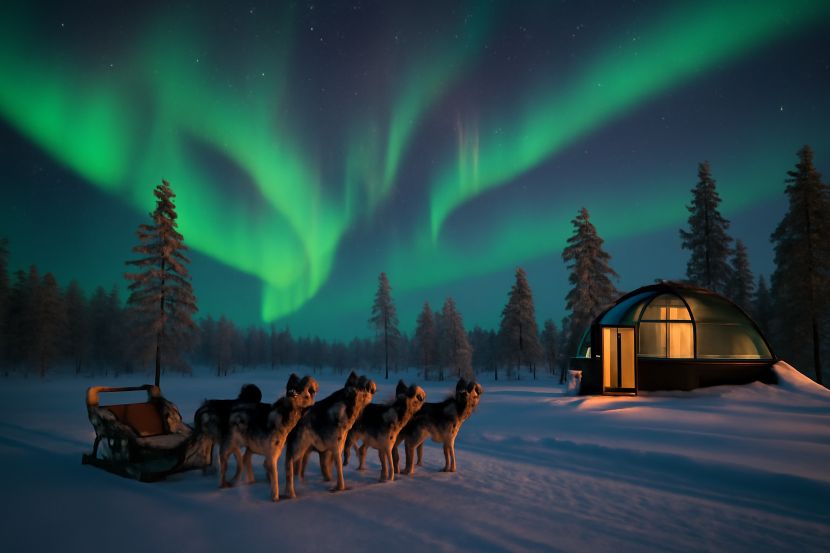
Lapland, located in the northernmost part of Finland, has long been a quiet sanctuary for those seeking tranquillity and adventure alike. Spanning nearly a third of Finland’s landmass, this region offers diverse experiences, from serene snowshoeing treks through dense forests to exhilarating husky sledging tours across vast snow-covered plains. The official Visit Finland website emphasizes Lapland’s dual appeal: it’s an ideal place for both winter lovers seeking adventure and those simply wanting to escape into nature. The capital of Rovaniemi, located right on the Arctic Circle, has become the gateway for thousands of visitors, including those seeking the official home of Santa Claus. With the rapid development of infrastructure and tourism services, Rovaniemi is now regarded as one of the top travel hubs in northern Europe.
According to Visit Lapland, the region’s tourism contributes significantly to the economy, accounting for approximately 5.7% of the GDP. This is more than double the national average for tourism’s contribution to Finland’s overall economy. In the winter months, demand for experiences such as snowmobiling, ice fishing, and aurora hunting skyrockets. Lapland’s unique positioning makes it an ideal location for viewing the Northern Lights, with minimal light pollution and long, clear nights. These natural wonders, paired with local experiences, are compelling reasons why the region has seen growing tourism interest, especially from international visitors.
This surge in tourism has also benefited the local community. Lapland is home to small, rural municipalities, where there are fewer than 200,000 residents but over 200,000 reindeer. The region’s indigenous Sámi people, known for their deep connection to the land and reindeer herding culture, welcome guests to experience their traditions. Visitors can immerse themselves in Sámi customs and participate in reindeer safaris, offering a unique cultural experience alongside their outdoor activities. These experiences not only add to the appeal of Lapland but also help promote cultural understanding and sustainable tourism.
Moreover, Finnish authorities highlight sustainable tourism as a top priority in the region’s tourism strategy. The Lapland government is focused on preserving its pristine environment while welcoming tourists. This balance is key, as the region’s fragile ecosystems rely on careful management. Tourists are encouraged to respect the natural surroundings, travel responsibly, and support the local economy. Initiatives such as eco-friendly hotels, carbon-neutral travel options, and small-group tours align with Finland’s broader goals of reducing carbon emissions and preserving the region’s natural beauty. According to the Finnish Tourism Board, responsible travel practices are integral to ensuring that future generations can enjoy Lapland’s pristine landscapes.
As Lapland’s popularity continues to grow, the tourism infrastructure is expanding. Airports, train services, and local transport networks are continually improving to make the region more accessible. Direct flights from major European cities like London, Paris, and Berlin now connect visitors to Lapland’s key travel hubs, including Ivalo and Rovaniemi. This improved accessibility means that visitors can spend more time enjoying the Arctic wilderness and less time traveling to remote locations. The rise in global demand for nature-based travel and experiences like Northern Lights viewing, reindeer rides, and husky safaris is an important driver of growth for the region’s tourism.
In recent years, there has also been a notable rise in the number of luxury accommodations available in the area. Glass-roofed cabins, isolated log cabins, and luxury igloos designed for aurora viewing have become a major draw for tourists. These accommodations offer guests the chance to experience Lapland’s beauty in comfort while keeping the stunning landscapes just outside their doorsteps. For many, seeing the Northern Lights from the warmth of a glass cabin is the highlight of their visit.
The future of Lapland’s tourism looks bright. As the demand for winter holidays and eco-tourism grows, the region is set to expand its services, making it an even more attractive destination for a wide range of travellers. For the residents of Lapland, tourism represents a lifeline, providing not just jobs and income but also an opportunity to showcase their culture and heritage to the world. The region’s ability to adapt to growing demand while preserving its natural environment will determine its long-term success as a global tourist destination.
By the end of your stay in Lapland, whether you’re gazing at the sky in search of the aurora or walking through forests dusted in snow, you’ll realize that this northern wonderland has a unique way of making you feel connected to nature. The opportunity to embrace Lapland’s winter beauty, along with the rich cultural experiences and sustainable travel options, promises visitors a chance to make memories that last a lifetime.
The post Finnish Lapland: The Hidden Gem Driving Northern Europe’s Tourism Growth appeared first on Travel and Tour World














































Comments and Responses
Please login. Only community members can comment.