























































Fashion and Tourism: How Destinations Link Style and Travel, All You Need To Know
-
Blogs, History & Art, Travel
-
-
3 mins
-
Travel and Tour World
-
Soumi Chowdhury
-


Fashion and tourism unite to enhance cultural travel experiences, foster innovation and local trade in global destinations.
In a time when cultural and creative industries are increasingly influencing travel, the collaboration between UN Tourism and Università della Svizzera Italiana (USI) is marking the beginning of a new era of tourism. By prioritising the role of fashion in cultural tourism, local business encouragement, and destination attractiveness, this partnership is becoming an important factor in destination branding and innovation.
On 24 October 2025, UN Tourism and USI hosted a hybrid workshop in Lugano, Switzerland, bringing together key players from the fashion and tourism industries. This event, building on their previous joint report “Fashion and Cultural Tourism – Connecting Creators, Businesses, and Destinations”, aimed to demonstrate the growing link between fashion and travel. The workshop specifically targeted policymakers, researchers, product developers, and marketing professionals from national tourism administrations, destination management organizations (DMOs), and fashion companies. The goal was to foster partnerships and share best practices for integrating fashion into tourism offerings.
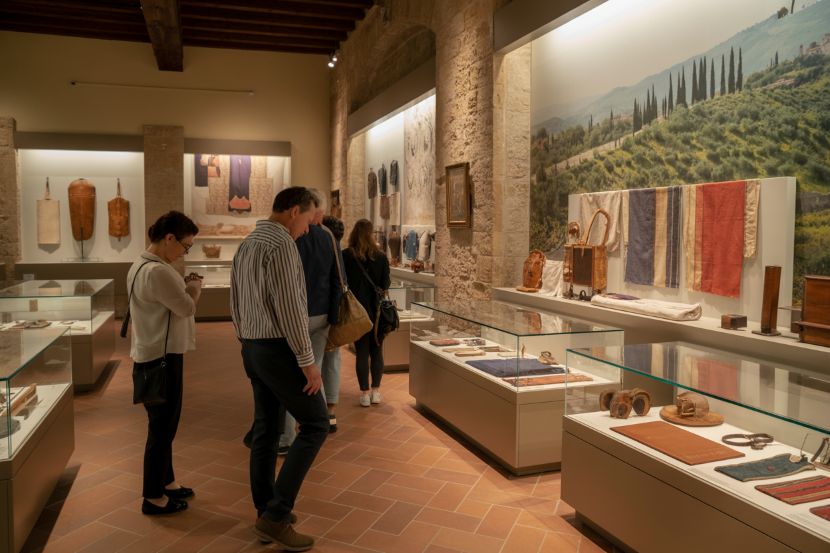
The collaboration highlights how fashion is increasingly being recognised as a powerful tool for cultural tourism. By linking travel with fashion, destinations can attract visitors seeking more than just traditional sightseeing; they can offer unique, immersive experiences that highlight local design, textiles, craftsmanship, and heritage. This connection also plays a pivotal role in supporting local trade, from boutique shops to high‑fashion brands, which in turn boosts the local economy.
Fashion as a Key Driver of Destination Innovation and Local Trade
As global creative industries continue to grow, fashion has become a major driver of tourism. According to the joint report, creative industries contribute approximately 3.1% of global GDP and 6.2% of global employment, demonstrating their significant influence on economies worldwide. Fashion, in particular, has the potential to not only attract tourists but to also drive innovation in how destinations are marketed and experienced.
During the Lugano workshop, several destination success stories were shared. The Tuscany Tourism Board in Italy, the Ljubljana Tourism Board in Slovenia, and the Lugano Lifestyle Tech Competence Center in Switzerland all showcased how fashion can be integrated into cultural tourism strategies. These regions have used fashion to tell compelling local stories, helping to define their identities while attracting visitors with a unique perspective on their culture.
From design-focused festivals to fashion shows and local craft tours, fashion-related activities are becoming increasingly popular with travellers. Additionally, destinations are leveraging fashion events and exhibitions to draw attention to their local textile industries, fostering collaboration between fashion designers, local artisans, and tourism bodies.
A global exchange of ideas also took place at the workshop, where representatives from Indonesia, Lebanon, Mexico, Nigeria, Peru, the Republic of Korea, Saudi Arabia, Spain, and Tanzania shared their own innovative approaches to integrating fashion into their tourism offerings. These countries have developed fashion tourism programmes that incorporate local fabrics, artisan workshops, and designer collaborations, further proving that fashion has a broad, worldwide appeal.
A Growing Opportunity for Travel Professionals
For travel industry professionals, the rise of fashion tourism represents an exciting opportunity to diversify and enrich the experiences offered to travellers. Destinations that embrace fashion as part of their cultural tourism offering can create unique travel itineraries that are focused on fashion, art, and creativity. These can include visits to local textile factories, fashion design workshops, and exclusive fashion shows that allow tourists to interact with the industry in an authentic way.
This synergy between tourism and fashion also opens new marketing and product development opportunities. Travel companies can tap into niche markets by offering bespoke fashion tours or partnering with local designers to offer exclusive travel experiences that highlight regional craftsmanship. Furthermore, the integration of fashion into destination storytelling can make a destination more appealing to a younger, trend-conscious audience looking for unique and immersive experiences.
The UN Tourism and USI partnership provides actionable guidelines for integrating fashion into tourism strategies. By collaborating with fashion companies and local artisans, destinations can build a more dynamic tourism offering that appeals to a wider range of travellers, including those interested in design, heritage, and craftsmanship.
Fashion’s Role in Shaping Travel Experiences and Destination Branding
The collaboration between UN Tourism and Università della Svizzera Italiana marks a significant shift in how destinations can approach tourism development. By integrating fashion into cultural tourism, destinations can create innovative, authentic, and highly engaging travel experiences that resonate with modern travellers. These efforts not only help to differentiate destinations but also support local economies and promote sustainable tourism.
As fashion becomes an increasingly central element of tourism, it offers a fresh way to engage visitors and help them connect with a destination’s identity. Whether through fashion events, design-led festivals, or artisan-led workshops, destinations have a unique opportunity to attract a new wave of travellers who are looking for deeper, more creative ways to experience the world. By embracing the potential of fashion and culture, tourism boards and travel professionals can shape the future of travel in exciting and innovative ways.
The post Fashion and Tourism: How Destinations Link Style and Travel, All You Need To Know appeared first on Travel and Tour World














































Comments and Responses
Please login. Only community members can comment.