

























































EU Entry/Exit System Travel: New Biometric Rules to Expect When Crossing Schengen Borders
-
Blogs, History & Art, Travel
-
-
3 mins
-
Travel and Tour World
-
Sarannya Acharya
-


New EU Entry/Exit System travel rules bring biometric checks at Schengen borders. Here’s a travel-friendly guide to what global tourists must know.
Starting from 12 October 2025, Europe is introducing a major change for travelers entering the Schengen Area. The EU Entry/Exit System (EES) will now register non-EU visitors’ entry and exit electronically. This means more than just a passport scan — travelers will undergo biometric checks, including fingerprints and facial recognition.
While this may sound complicated, understanding the process can help ensure your trip across Europe remains smooth and stress-free.
Why the EU Is Introducing This System
The EU designed the Entry/Exit System to improve security and make border controls more efficient. By recording entries and exits digitally, authorities can better monitor short-stay visitors and prevent overstaying. Travelers’ data will be stored for up to three years, helping officials track compliance with the 90-day limit within any 180-day period for non-EU visitors.
The system also aims to harmonize procedures across all Schengen countries, so travelers can expect similar processes whether they enter through France, Germany, or Spain.
What Travelers Can Expect
When you first enter the Schengen Area after 12 October, you may need to use an automated kiosk or border control gate. These machines will scan your passport, capture a photograph, and record fingerprints.
On subsequent entries or departures, travelers who have already registered with the system will generally only need to confirm their identity using their passport or biometric verification.
In addition, travelers should have their documents ready. This includes proof of accommodation, return or onward tickets, and evidence of sufficient funds or travel insurance if requested. Being prepared with these items can speed up the process and prevent delays.
Travel Impacts and Practical Tips
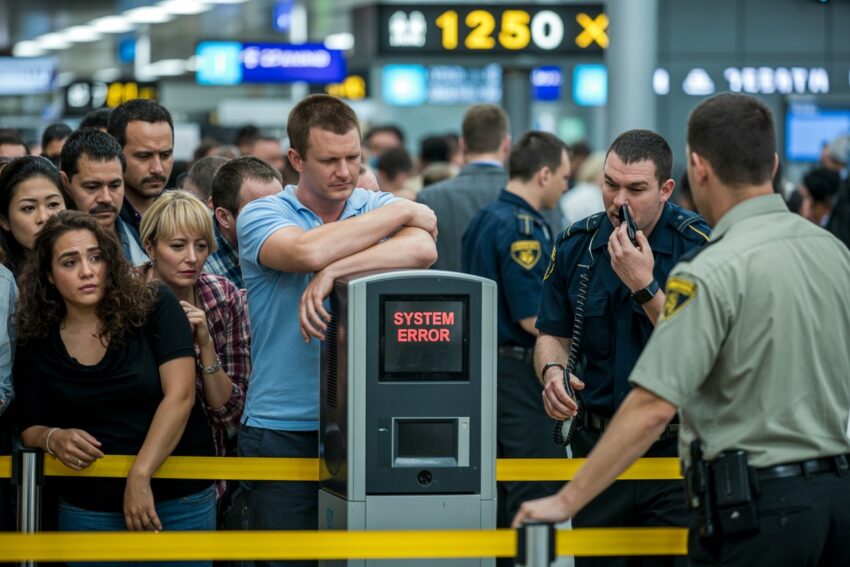
With the introduction of biometric checks, some longer waits at borders are expected, especially during peak travel periods. Major airports and ferry terminals will implement the system first, while smaller border crossings may adopt it in phases over the next several months.
Here are some travel-friendly tips to make the process easier:
- Arrive early: Give yourself extra time for border processing, particularly if traveling during busy periods.
- Use major airports or ports: Larger entry points are equipped with more automated gates and staff familiar with the new system.
- Keep travel documents handy: Having accommodation confirmations, insurance, and return tickets easily accessible can help avoid delays.
- Know your stay limits: Keep track of your days in the Schengen Area to stay within the 90-day limit.
Children and Special Cases
Children under the age of 12 will generally not need to provide fingerprints, although a photograph will still be taken. Families should be aware of this requirement to prepare in advance.
Travelers who are unsure about the documentation needed for specific countries are encouraged to check with official government sources or embassies before traveling. While insurance is not always mandatory, having valid coverage is strongly recommended.
The Future of European Travel
The EES is part of Europe’s broader effort to modernize travel security. Looking ahead, the European Travel Information and Authorisation System (ETIAS) will be introduced, likely in late 2026, for visa-exempt travelers. This will require travelers to submit an online application and pay a small fee before entering the Schengen Area.
For tourists, these changes are designed to make travel safer and more predictable. By registering digitally, travelers can avoid unexpected complications at the border and spend more time enjoying Europe’s sights and experiences.
Making Travel Easier
Despite headlines about “chaos at European borders,” preparation is the key to smooth travel. Familiarizing yourself with the new EES procedures, carrying all necessary documents, and arriving at border points early can help you navigate Europe confidently.
Remember, the goal of the Entry/Exit System is to protect travelers and residents alike. The process might take a little extra time initially, but once familiar, it becomes routine and predictable. Tourists can continue to enjoy the rich cultures, historic landmarks, and vibrant cities of Europe with minimal disruption.
Final Thoughts
The EU Entry/Exit System represents a significant modernization of European border controls. For global travelers, the changes require preparation but do not prevent anyone from enjoying a European holiday. By understanding the system, planning ahead, and keeping documents organized, travelers can minimize delays and fully enjoy the diverse experiences Europe has to offer.
Travelers should view these changes as part of modern international travel — a small adjustment for enhanced security and smoother experiences in the long run.
The post EU Entry/Exit System Travel: New Biometric Rules to Expect When Crossing Schengen Borders appeared first on Travel and Tour World














































Comments and Responses
Please login. Only community members can comment.