
















































Ethiopia and Italy Launch More than One Million Euro Project for Community-Based Tourism and Heritage Conservation in Tigray, Boosting its Sustainable Development of the Region
-
History & Art, Religion, Travel
-
-
4 mins
-
Travel and Tour World
-
Gishan Das
-


Ethiopia and Italy launch a €1.7 million project in Tigray, focusing on community-based tourism to promote sustainable development and cultural preservation.
The Italian Agency for Development Cooperation and Ethiopia’s Ministry of Finance have signed a major €1.7 million project to sustain post-conflict recovery and conservation of the Wukro–Gheralta Belt of Tigray. The project, entitled “Supporting Community Resilience through Community-Based Tourism and Heritage Conservation,” supports both the Pretoria Peace Agreement’s recovery agenda as well as Ten-Year Development Plan (2021–2030) in Ethiopia, with an emphasis on sustainable livelihoods, cultural heritage conservation, and tourism promotion as a primary driver of economic growth.
Promoting Tourism as a Tool for Post-Conflict Recovery
Tourism plays a critical role in Ethiopia’s recovery and economic development, particularly in post-conflict regions like Tigray. The initiative is designed to boost local communities’ resilience by developing community-based tourism initiatives that will empower locals to become active participants in the tourism economy. By focusing on cultural tourism, the project emphasizes the importance of preserving historical sites while creating economic opportunities through tourism.
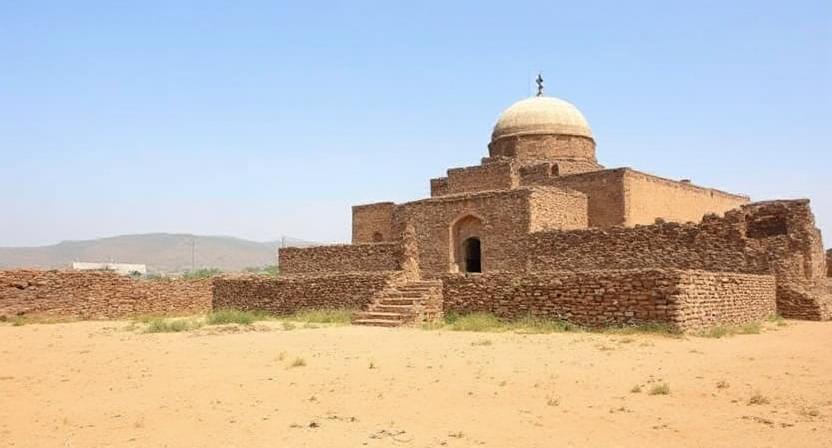
Heritage conservation and tourism development are closely linked in the Wukro-Gheralta Belt, where ancient churches, monasteries, and historical landmarks play a crucial role in the region’s cultural identity. The restoration of these sites will help preserve the rich history of the region while creating an authentic experience for tourists interested in exploring Ethiopia’s ancient heritage. These efforts also align with Ethiopia’s broader goal of cultural tourism as a sustainable tool for economic recovery and community empowerment.
Fostering Economic Growth Through Community-Based Tourism
The project focuses on inclusive tourism development, which will directly benefit the local population by creating job opportunities in various sectors of the tourism industry, such as guiding, hospitality, transportation, and crafts. By training locals in tourism management, entrepreneurship, and sustainable practices, the initiative aims to equip communities with the skills necessary to manage and benefit from their tourist resources.
At the heart of the project is the vision to transform Tigray’s heritage sites into a vibrant tourism economy that empowers local people to act as both custodians and beneficiaries of their own cultural heritage. This approach will help ensure that the economic benefits of tourism are widely distributed, particularly to marginalized groups and women, who will have a central role in the tourism development process.
Restoring Heritage Sites for Sustainable Tourism
The initiative also focuses on the restoration of historical sites that were damaged during the conflict. These sites, including ancient rock-hewn churches and medieval monasteries, are not only cultural treasures but also powerful tourism attractions. Once restored, these sites will attract international tourists who are eager to explore Ethiopia’s rich history, from its Byzantine art to its ancient religious practices.
Tourists traveling to the Wukro–Gheralta Belt will have the opportunity to experience safaris, hiking trips, and cultural tours while learning about Ethiopia’s diverse cultural heritage and the stories behind these historical sites. In addition to the archaeological significance, the region’s natural beauty and wildlife will make it an appealing destination for ecotourism enthusiasts, ensuring that the development of community-based tourism complements conservation and sustainability.
Cultural Preservation and Tourism Synergy
The integration of cultural preservation and tourism development will create a sustainable tourism model for Tigray. As part of the broader initiative, there will be efforts to ensure that tourism supports the long-term preservation of these cultural landmarks while providing economic opportunities to the people who call them home. By encouraging cultural exchange and enhancing the visibility of these sites, the project will not only generate revenue for the local economy but also raise awareness about the importance of heritage conservation.
The tourism potential of the Wukro–Gheralta Belt is vast, with its combination of cultural, natural, and historical assets positioning it as a growing destination for both regional and international tourists. The project will work to ensure that tourism infrastructure—such as visitor centers, guides, and sustainable transport options—is developed in a way that preserves the region’s cultural integrity while offering a high-quality experience for tourists.
Italy-Ethiopia Collaboration for Tourism and Heritage Preservation
The partnership between Ethiopia and Italy underscores the importance of international collaboration in promoting cultural tourism and heritage preservation. Italy has a long history of involvement in cultural preservation and sustainable tourism and brings valuable expertise in restoring historical landmarks. As a result, the initiative will benefit from Italy’s experience in heritage management, tourism marketing, and sustainable development, contributing to the success of Ethiopia’s efforts to develop community-based tourism as a vehicle for peacebuilding and economic growth.
During the signing ceremony, State Minister Semereta Sewasew emphasized the importance of the project’s community-centered approach. She pointed out that, beyond the economic benefits, the project will help build social cohesion, increase tourism awareness, and enhance local pride in the region’s heritage. Similarly, Italy’s Ambassador Agostino Palese highlighted the central role of cultural tourism in promoting peace, resilience, and growth, both for the people of Ethiopia and for the broader Horn of Africa region.
Looking Ahead: A Future of Sustainable Tourism and Cultural Revival
The Supporting Community Resilience through Community-Based Tourism and Heritage Conservation project is a groundbreaking milestone in Ethiopia’s path towards sustainable tourism and post-conflict reconstruction. Through a concentration on local empowerment, heritage protection, and cultural tourism, the project will leave an enduring legacy for generations to come as well as provide a model for other conflict-ravaged regions. The success of the project in the long term will rely on sustained partnership among local communities, government organizations, and international actors.
If successful, the project will establish the Wukro-Gheralta Belt as one of Ethiopia’s leading tourist attractions, appealing to both cultural tourists and those seeking to access the true beauty and heritage of Tigray. As tourism becomes ever more pivotal in the economic recovery of Ethiopia, this project will provide foundations for a thriving cultural tourism industry to empower local communities, safeguard heritage, and deliver peace and development throughout the region.
The post Ethiopia and Italy Launch More than One Million Euro Project for Community-Based Tourism and Heritage Conservation in Tigray, Boosting its Sustainable Development of the Region appeared first on Travel and Tour World























































Comments and Responses
Please login. Only community members can comment.