























































Unlock Singapore: 12 Essential Tips for First-Timers in Singapore

Essential Tips for First-Timers in Singapore
-
Travel, Blogs, Immigration, Culinary, Nature & Wildlife, History & Art, Religion, Shopping
-
-
17 mins
-
Out of Town Blog
-
Melo Villareal
-


First Time in Singapore? 12 Insider Tricks to Explore Like a Local Singapore is a modern city-state that blends different cultures, stunning green spaces, and world-class attractions into one compact destination. The city is known for being clean, safe, and easy to navigate, making it a great choice for first-time travelers to Asia. However, there […]
Unlock Singapore: 12 Essential Tips for First-Timers in Singapore
First Time in Singapore? 12 Insider Tricks to Explore Like a Local
Singapore is a modern city-state that blends different cultures, stunning green spaces, and world-class attractions into one compact destination. The city is known for being clean, safe, and easy to navigate, making it a great choice for first-time travelers to Asia. However, there are specific rules, customs, and practical tips that can help you avoid fines and make your trip smoother.
Essential Tips for First-Timers in Singapore
This guide gives you essential information about transportation options, local laws, cultural expectations, and money-saving strategies so you can enjoy Singapore without common tourist mistakes. You’ll learn how to get around the city efficiently, where to find the best local food, and what to pack for the tropical weather. The tips cover everything from immigration requirements to avoiding fines on public transport, helping you feel prepared before you arrive.
1) Carry a valid passport with at least 6 months’ validity
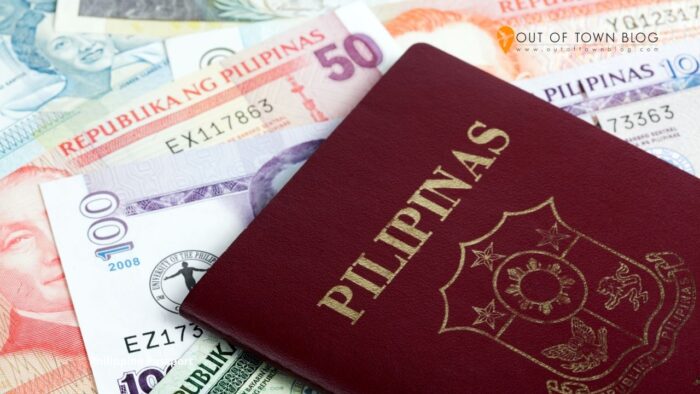
Philippine Passport
Singapore requires visitors to have passports valid for at least six months beyond their planned stay. If your passport doesn’t meet this requirement, immigration officials may refuse your entry at the airport.
Check your passport’s expiration date before booking your trip. Count 6 months from your departure date to ensure you have sufficient validity.
Your passport also needs blank pages for entry stamps. Immigration officers stamp your passport when you arrive and leave the country.
If your passport is about to expire, renew it before you travel. Most passport agencies recommend renewing between six and ten months before expiration. This gives you plenty of time to process your application and receive your new passport.
Keep your passport in a safe place during your trip. You’ll need to show it at check-in, immigration, and sometimes at hotels. Make a copy of your passport’s photo page and store it separately as backup.
2) Use the MRT for efficient and affordable transportation
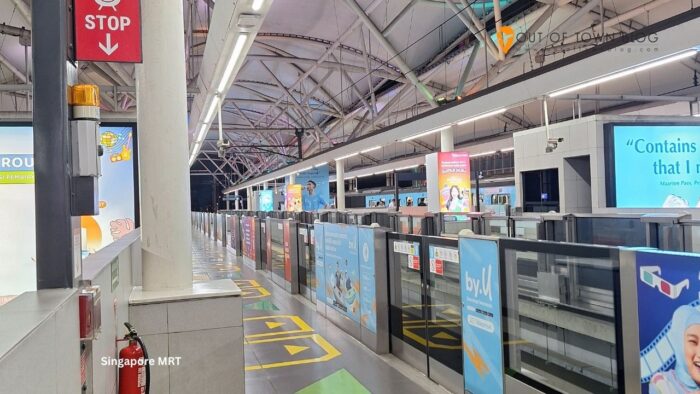
Singapore MRT
The Mass Rapid Transit system is Singapore’s main train network. It connects most major areas across the city-state and runs frequently throughout the day.
You can find MRT stations at Changi Airport terminals 2 and 3 when you arrive. The trains are clean, air-conditioned, and easy to navigate, even if it’s your first time.
Getting around by MRT costs less than taxis or private rides. You’ll pay based on distance traveled, with fares typically ranging from a couple of dollars for short trips to slightly more for longer journeys.
You should get an EZ-Link card or use a contactless payment card at the station gates. Simply tap in when you enter and tap out when you leave.
The MRT map is straightforward to read. Different-colored lines indicate different routes, and signs in English appear throughout all stations. You can travel between popular spots like Marina Bay Sands, Gardens by the Bay, and Chinatown quickly using the train system.
3) Purchase a Singapore Tourist Pass for unlimited travel on public transport
The Singapore Tourist Pass gives you unlimited rides on buses, MRT trains, and LRT trains. You can buy passes for 1, 2, or 3 consecutive days, depending on how long you’re staying.
This pass works like a contactless smart card. You just tap it when you board and exit public transport.
The pass saves you money if you plan to take multiple trips each day. You won’t need to buy single tickets or worry about calculating fares for each journey. It also saves time since you skip ticket machines and lines.
You can purchase the Singapore Tourist Pass at major MRT stations and online through authorized sellers. Many passes come with extra discounts at restaurants, attractions, and shops around the city.
The pass starts counting from your first use, not from the purchase date. This means you can buy it ahead of time without wasting any days.
4) Respect local laws, such as no chewing gum and no jaywalking

Chewing Gum is Banned in Singapore
Singapore has strict laws that apply to both locals and tourists. You need to follow these rules to avoid fines and legal trouble.
Chewing gum is banned in Singapore. You cannot bring it into the country or sell it. The only exception is gum for medical purposes with a prescription.
Jaywalking will get you fined. You must use pedestrian crossings and follow traffic signals. Officers can issue penalties if you cross the street illegally.
Littering carries heavy fines starting at several hundred dollars. This includes throwing trash on the ground or out of car windows. Keep Singapore clean by using trash bins.
Smoking is only allowed in designated areas. You cannot smoke in most public places, including bus stops and covered walkways.
Eating and drinking on public transport is not allowed. This rule applies to trains and buses throughout the city.
These laws help maintain Singapore’s reputation as a clean and orderly city.
5) Dress modestly when visiting religious sites like temples and mosques.
Singapore has many beautiful religious sites that welcome visitors. When you visit these places, you need to dress modestly out of respect.
Cover your shoulders and knees at all temples and mosques. Avoid wearing tank tops, sleeveless shirts, or short shorts. These are considered inappropriate at religious sites.
For mosques, women should bring a scarf to cover their hair. Some mosques provide robes or coverings at the entrance if needed. Men should wear long pants and remove their shoes before entering.
At Hindu and Buddhist temples, you’ll also need to remove your shoes. Keep them modest and clean, as you’ll be walking barefoot inside.
Many religious sites provide clothing rentals or coverings if you arrive unprepared. However, it’s better to plan ahead and bring appropriate clothing. This shows respect for the local customs and religious practices.
6) Try local hawker centers for affordable, authentic Singaporean food
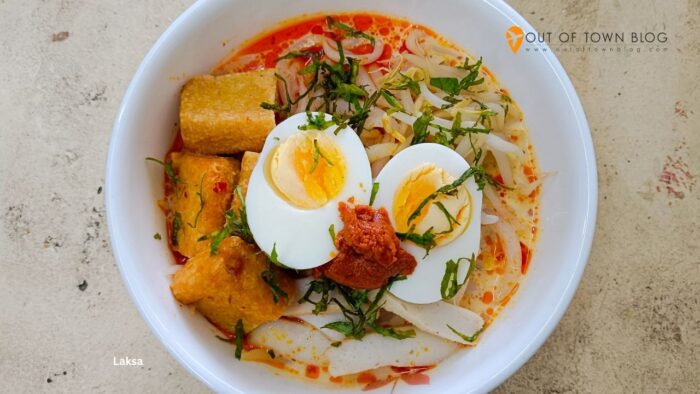
Laksa
Hawker centers are open-air food courts where you’ll find dozens of small stalls serving fresh, local dishes at low prices. These are the places where Singaporeans eat every day, not just tourist attractions.
You can get a full meal for around $3- $ 6 SGD. Popular dishes include Hainanese chicken rice, laksa, char kway teow, and satay. Each hawker center has different stalls, so you’ll find new options everywhere you go.
Some well-known hawker centers include Maxwell Food Centre, Lau Pa Sat, and Tiong Bahru Market. You can also visit Old Airport Road Food Centre or any neighborhood hawker center near where you’re staying.
The system is simple. Find a table first, then walk around to order from different stalls. Pay at each stall when you order. Most places accept cash, though many now take cards too.
Don’t worry about which hawker center to visit. They’re all good options for authentic Singaporean food.
7) Carry an EZ-Link card for seamless payment on public transport.
An EZ-Link card is a contactless stored-value card that makes traveling around Singapore simple. You tap it to pay for rides on the MRT trains, buses, and even the Light Rail Transit system.
Getting an EZ-Link card saves you time and hassle. You won’t need to buy individual tickets for each trip or worry about having exact change. The card works instantly when you tap it at station gantries and bus card readers.
You can buy an EZ-Link card at MRT stations, convenience stores like 7-Eleven, and the airport. The card costs around S$5, plus whatever amount you want to load onto it for travel.
When your balance runs low, you can top up the card at MRT ticket machines, convenience stores, or through mobile apps. Most single trips cost between S$1.09 and S$2.37, depending on distance.
The card also works at many retail stores and food outlets across Singapore, making it useful beyond just transport.
8) Stay hydrated and carry sunscreen due to Singapore’s tropical climate.

Skip Bottled Water
Singapore’s tropical weather means hot temperatures and high humidity year-round. You need to prepare for these conditions to stay comfortable and safe.
Drink water throughout the day, even if you don’t feel thirsty. The heat and humidity cause your body to lose fluids faster than you might expect. Carry a water bottle with you and refill it regularly.
Sunscreen is just as important as water. The sun’s rays are strong in Singapore, and you can get sunburned quickly. Apply sunscreen with at least SPF 30 before going outside. Reapply it every two hours, especially if you’re walking around or sweating.
Keep both items in your bag when exploring the city. This simple habit protects your skin and keeps you feeling good during your visit.
9) Use the Grab app for convenient taxi and ride-hailing services
Grab is Southeast Asia’s most popular ride-hailing app. You’ll find it works much like other taxi apps you may have used before.
Download the Grab app before you arrive in Singapore. The app lets you book rides, track your driver in real-time, and pay without cash. You can see the fare estimate before you confirm your booking.
Grab offers several ride options to fit your budget. GrabCar provides private car rides, while GrabShare lets you split costs with other passengers heading in the same direction. You can also use it to book traditional taxis.
The app works in English and accepts credit cards and digital payments. This makes it easier than flagging down taxis on the street, especially if you’re unfamiliar with the area.
Set up your payment method and add your pickup location. The app will show nearby available drivers and their estimated arrival times.
10) Visit Gardens by the Bay early to avoid crowds and heat

Gardens by the Bay
Getting to Gardens by the Bay early in the morning makes your visit much more enjoyable. The outdoor gardens open before the ticketed attractions, so you can explore the grounds when it’s cooler and less crowded.
Arrive before 10am to beat the Singapore heat. Temperatures rise quickly during the day, making it uncomfortable to walk around the outdoor areas. Morning visits are also better for taking photos without large crowds in the background.
Start with the outdoor gardens and Supertree Grove first. Then head to the Cloud Forest around 9am or 10am when it opens. This timing helps you avoid the midday rush when tour groups typically arrive.
The early hours give you a more peaceful experience. You’ll have space to explore the conservatories and take your time without feeling rushed by crowds behind you.
11) Avoid eating and drinking on public transport to prevent fines
Singapore enforces strict rules about eating and drinking on public transport. You cannot consume any food or beverages on MRT trains or inside MRT stations. This includes snacks, coffee, water, and even chewing gum.
The fine for breaking this rule is SGD 500. Cameras and officials monitor the MRT system to catch anyone who violates this policy.
The ban exists to keep trains and stations clean for all passengers. Singapore takes public cleanliness seriously, and the MRT is no exception.
If you need to eat or drink something, wait until you exit the station. You can also eat and drink at nearby cafes or restaurants instead. Planning your meals around your travel schedule helps you avoid accidentally breaking this rule.
Remember that this applies to all public transport, not just the MRT. Following this simple rule helps you avoid an expensive fine during your visit.
12) Keep small change handy for hawker stalls and public toilets
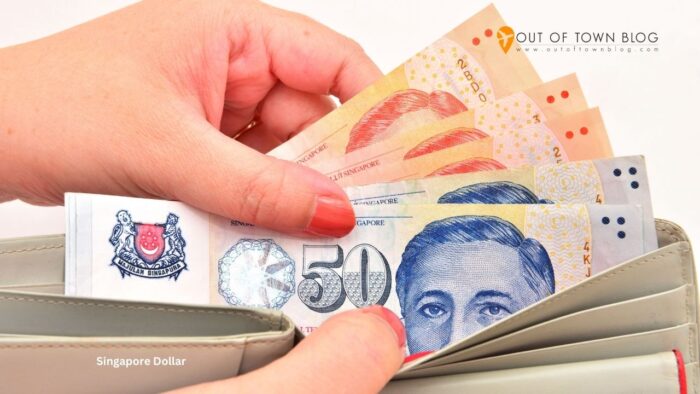
Singapore Dollar
Many hawker stalls in Singapore operate on a cash-only basis and prefer small bills or coins. If you try to pay with a $50 note for a $5 meal, the vendor might not have enough change. Some stall owners will ask nearby vendors for change, but this takes extra time during busy periods.
You should carry bills in denominations of $10 or less when visiting hawker centers. Ordering something inexpensive like a drink that costs $1 to $2 can help you break larger bills if needed.
Some public toilets in Singapore require a small fee, usually around $0.10 to $0.50. These facilities often only accept coins. Having spare change in your pocket means you won’t need to search for a money changer or nearby shop when nature calls.
Keep a small pouch with coins and small bills separate from your main wallet. This makes transactions faster and smoother at both hawker stalls and public restrooms.
13) Exchange currency to Singapore Dollars locally for better rates
You’ll get better exchange rates in Singapore than at your home country’s airport or bank. Money changers in Singapore are competitive and regulated, which means you’ll find rates closer to the mid-market rate.
The best rates are typically found in areas like Chinatown, Little India, and along Orchard Road. Licensed money changers display their rates clearly in their shop windows. You can compare several shops within the same area to find the best deal.
Bring clean, undamaged bills in higher denominations. Money changers often offer better rates on larger bills, such as $100 USD, than on smaller ones.
Avoid exchanging money at the airport unless it’s a small amount for immediate expenses. Airport rates are usually less favorable than what you’ll find in the city.
You can also use ATMs to withdraw Singapore Dollars directly, though your bank may charge foreign transaction fees.
Why Visit Singapore?
As you explore Singapore, remember that the true beauty of the Lion City lies not only in its iconic skyline and spotless streets, but in the way everything works together with effortless harmony.
For first-timers, success isn’t about cramming every attraction into one trip — it’s about traveling smart, staying curious, and embracing the local rhythm. Keep a refillable water bottle, rely on public transport, follow rules respectfully, and don’t hesitate to ask locals for guidance; Singaporeans are helpful when approached politely.
Try something unfamiliar, whether it’s ordering at a hawker stall, navigating an MRT interchange, or walking through a neighborhood beyond the usual tourist districts. Balance efficiency with exploration — plan your routes, but leave room for spontaneous discoveries like a hidden café or evening riverside stroll.
Most importantly, pace yourself. Singapore rewards those who slow down enough to notice details: the blend of cultures, the greenery woven into urban life, and the quiet order that keeps everything running smoothly.
Leave with appreciation rather than exhaustion, and you’ll realize Singapore isn’t just a destination you visited — it’s a place that subtly taught you how enjoyable organized travel can truly be.
Follow and subscribe to OutofTownBlog.com on Facebook, Twitter, Instagram, Pinterest, and YouTube for more Travel-related updates.
Read:
- DIVISORIA SHOPPING GUIDE: Streets, What to Buy, Tips & How to Get There
- Metro Manila MRT 4 Stations: Everything You Need to Know
- All-in-One Taipei Fun Pass: Is it Worth the Money?
Unlock Singapore: 12 Essential Tips for First-Timers in Singapore
The post Unlock Singapore: 12 Essential Tips for First-Timers in Singapore appeared first on Out of Town Blog














































Comments and Responses
Please login. Only community members can comment.