























































End of DC Streetcar: How to Navigate Washington D.C. with Alternative Travel Options
-
Blogs, Travel
-
-
3 mins
-
Travel and Tour World
-
Abhirup Gan
-


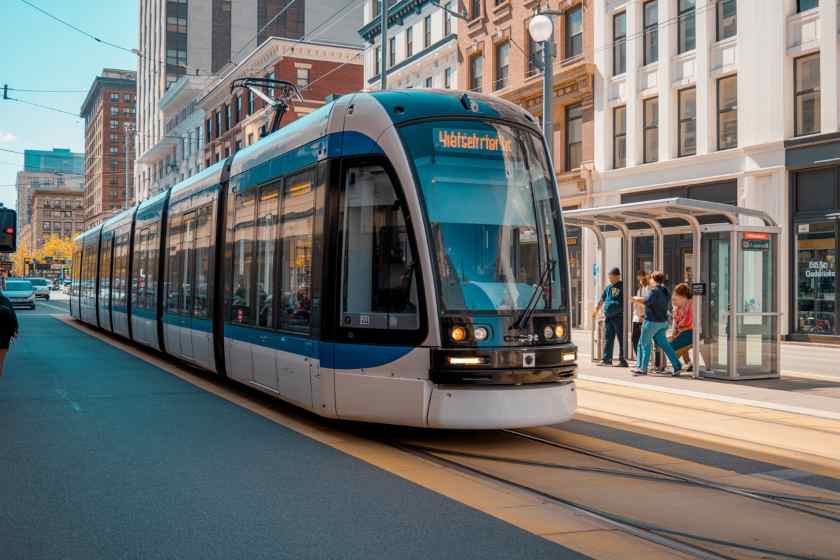
DC Streetcar service will end on March 31, 2026. Tourists and locals are advised to plan alternative routes, including WMATA’s D20 bus for travel around the city.
As the DC Streetcar service nears its end, the D20 bus will remain a quick alternative for people wanting to continue public transport along the same route. The D20 bus ensures reliability and serves a high frequency within the same neighbourhoods the streetcar used to operate, thus serving a large population of residents and tourists who visit and live in the city. The D20 bus connects to the National Mall, Union Station, and other major transit hubs, serving a wealth of high-demand locations.
Apart from the D20 bus, other Washington Metro services, including the Metrorail and Metrobus, will still provide city-wide coverage. Metrorail is useful for tourists heading to major visit sites in D.C., such as the Smithsonian Museums, the Lincoln Memorial, and the U.S. Capitol, while the Metrobus offers more detailed coverage, including areas that the DC Streetcar service did not reach.
The discontinuation of the streetcar service rests with the tourists. They may want to purchase a SmarTrip card which works with the Metrorail, Metrobus, and several other local transit systems. Switching from one transit card to another card within the same travel zone eliminates the need to buy separate cards for different services which allows hassle-free movement to various attractions in the city.
Effect of the DC Streetcar for Visitors to Washington.
According to several tourist guides, Washington, D.C. receives millions of tourists due to its historical sites, cultural hotspots, and famous monuments. The DC Streetcar provides a greener and faster alternative to city travel. Although the DC Streetcar makes city transit easier, the loss of the streetcar service should not impede tourism to the capital due to the popular and easily accessible public transport.
The DC streetcar is popular for tourists heading to the H Street NE neighbourhood for its many restaurants, shops, and art venues. Since the streetcar’s end, visitors will look for other means of transport. However, the D20 bus, coupled with the D.C. Metro, guarantees access to other tourist hotspots nearby. The hourglass shape and the increasing streetcar demand from the residents and the tourists make it necessary to assess the fuller to streetcar model, and pivot to the other transportational services available.
Travel advice for tourists
Any person intending to coverage to the D.C. from now, would keep the streetcar’s suspension in mind as the primary concern. However, this travel plan to D.C. is something which can be made easier by these following steps:
Make Plans: The streetcar’s end date is close. Therefore, researching and having knowledge on the timing of the D20 bus and serving the Metro would be helpful. The D20 bus and Metro serve the route and timing which is flexible to serve on the route which users sometimes. Users of the D.C train services on the website, and the apps get the features as these services are on time from the estimated serviceang which made and helps with formulations for services that help save time.
Use the Metro: The Metrorail is often the most efficient means of transport in the city and is particularly useful for visiting the National Mall, Washington Monument, and the Smithsonian Institution. The Metro network is so comprehensive that it significantly lessens the need for other means of transport for visitors to the city.
Explore by bike: Washington, D.C. is a bike-friendly city with bike lanes and Capital Bikeshare stations distributed throughout its area. Riding a bike is an excellent choice for tourists wishing to discover neighborhoods and entertain themselves in the open air, especially in the fall or spring.
Maximize the use of walking tours: The U.S. Capitol, Lincoln Memorial, and the White House are some of the many D.C. attractions that are within walking distance of each other. For visitors in central D.C., walking is the most practical means of transportation to go to several attractions.
SmarTrip Cards: The Smartrip card is an easy means of replacing travel tickets for the Metro, Metrobus, and other regional operators. One card works with many operators and is offered for sale from the website and all Metro stations.
Looking ahead, how is D.C. Mobility going to change?
Transportation experts think the monotonous work of constructing a new Metrorail line, expanding the bike share fleet, and similar other projects, will be offset by the growing number of tourists and d residents. They also think making the new D.C. Streetcar line operational will serve an additional crucial purpose. It will serve to better integrate and expand the ever-improving transit network of D.C.
D.C. Streetcar will help the D.C. Metrorail in having an extended connection to the D.C. Streetcar. D.C. Metrorail users will be able to travel to D.C. Streetcar destinations and beyond. For instance, the D.C. Streetcar D20 bus can be used to travel to various important destinations, as can various other bus lines. The D.C. Streetcar as a whole offers users an extended range of travel options, along with individual bus lines, which aids in ease of travel. D.C. specifically has many important landmarks and also offers a different travel experiences. For instance, Metrorail and D.C. Streetcar users can travel to D.C. Streetcar stations. Metrorail and D.C. Streetcar services vastly improve an individual’s ability to traverse important urban centres also, as do other urban public transit options.
The post End of DC Streetcar: How to Navigate Washington D.C. with Alternative Travel Options appeared first on Travel and Tour World














































Comments and Responses
Please login. Only community members can comment.