























































Eco-Lodges in Brazil, Costa Rica, and California Step Up Fire Prevention Efforts to Protect Wildlife and Tourism Amid Rising Fire Risks
-
Blogs, Wellness, Nature & Wildlife, History & Art, Travel
-
-
4 mins
-
Travel and Tour World
-
Poulomi Sinha
-


Eco-lodges in Brazil, Costa Rica, and California are enhancing fire safety measures to protect wildlife, guests, and ecosystems from wildfires.
As the frequency of wildfires rises due to climate change, eco-lodges and resorts in fire-prone areas around the world are taking proactive steps to protect their properties, wildlife, and the visitors who come to experience these natural wonders. From wildlife reserves in Brazil’s Pantanal to luxury eco-lodges in Costa Rica and California, tourism businesses are facing a new reality in which fire prevention has become a critical component of their operations. This is more than just protecting infrastructure; it’s also about ensuring the long-term health of ecosystems and wildlife habitats.
Wildfire Threat in the Pantanal: A Wake-Up Call for Eco-Tourism
In Brazil’s Pantanal, the largest tropical wetland in the world and a prime destination for jaguar safaris, a catastrophic wildfire broke out one sweltering August day, threatening both the wildlife and the livelihoods of the people who operate ecotourism businesses in the area. The fire quickly spread, devastating a vast area of the 130,000-acre private reserve at Casa Caiman, an eco-lodge and wildlife refuge popular with tourists. The flames consumed critical habitats for a wide range of wildlife, including jaguars, anteaters, and hyacinth macaws, forcing wildlife guides and staff into a frantic evacuation of the lodge.
Once the fire subsided, the damage was extensive. Much of the land was left covered in ash, with plants vital to the local fauna destroyed. Among the most tragic losses was Gaia, a resident jaguar whose death devastated the Onçafari team, who had spent years monitoring her and her cubs. In response, Onçafari, a jaguar rehabilitation nonprofit based at the lodge, created an emergency wildlife-aid task force. The team set up water troughs and scattered fruits for the displaced wildlife but acknowledged that the task was overwhelming. The fire was a brutal reminder of the increasing fire risks that many ecotourism businesses are facing.
As a result, Onçafari took swift action to prevent such a disaster from occurring again. They now conduct prescribed burns during the wet season to reduce dry brush and trained a fire brigade from their own team, made up of safari field guides and drivers. This brigade, along with other trained staff, plays a critical role in containing fires before they can spread. The initiative reflects a larger trend where tourism businesses are stepping up to mitigate fire risks and protect both nature and the people who visit.
Costa Rica’s Rio Perdido: Building Fire-Fighting Infrastructure
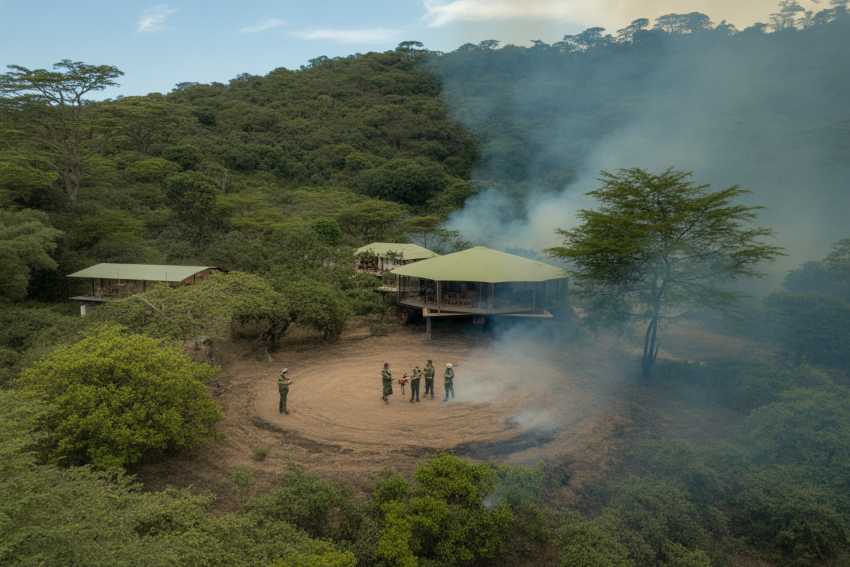
In Costa Rica’s Guanacaste province, the team at Rio Perdido, a luxury eco-lodge surrounded by more than 1,400 acres of biodiverse dry forest, found themselves in a similar position. The lodge, though luxurious, is located far from federal and local fire crews, who could take hours to reach the remote location. Recognizing the vulnerability of their land, the team established their own fire brigade to respond to fires before they escalate.
With a crew of more than 20, including guides and waiters, Rio Perdido has conducted over 170 hours of fire-simulation exercises in collaboration with local fire authorities. In 2024, the team played a crucial role in containing a blaze that threatened to cause significant damage to their property. The brigade not only focuses on extinguishing fires but also works proactively to prevent them. Gabriel Saragovia, the co-founder of the resort, explains the importance of being able to handle small fires before they become large. Ecosystems like their dry forest are slow to recover once damaged by fire, making proactive prevention vital to preserving the area’s natural beauty.
The creation of fire brigades within tourism businesses like Onçafari and Rio Perdido is emblematic of the growing trend among eco-lodges to take responsibility for protecting their natural surroundings. For these businesses, it is not just about safeguarding guests but maintaining the integrity of the landscapes and ecosystems that make their locations attractive to tourists in the first place.
California’s Calamigos Ranch: A Long-Standing Commitment to Fire Prevention
In California, particularly in areas like Malibu, wildfires have been a longstanding concern for resorts. Calamigos Ranch, a resort with a long history in fire-prone Malibu, experienced the devastating effects of a wildfire in 1978 when the ranch was completely destroyed. This tragedy shaped the Gerson family’s approach to fire safety. Today, the ranch is known for its robust fire-suppression infrastructure, which includes pumps, reservoirs, and a custom sprinkler system designed to keep the grounds safe during high-risk periods.
To reduce the risk of fire outbreaks, the ranch also uses goats to graze down the brush, an environmentally friendly method to manage vegetation. Their proactive approach paid off during the 2018 Woolsey Fire when the ranch was able to protect its property and remain open, providing free meals to local first responders. With the frequency of wildfires increasing, the staff is more prepared than ever to handle such disasters, but they also work in collaboration with local authorities to support firefighting efforts during critical times.
Technology and Innovation: Using AI to Combat Wildfires
In addition to creating fire brigades, many tourism businesses are turning to technology to assist with wildfire prevention. Companies like FortressFire use satellite imagery and artificial intelligence (AI) to identify vulnerabilities in properties that may be at risk of wildfire damage. In Napa and Sonoma counties, this service has been instrumental in helping wineries save their structures from wildfires by offering insights on where to make necessary adjustments to protect their properties.
As fire seasons grow longer and more intense, eco-lodges and resorts across the globe are recognizing the critical importance of being proactive rather than reactive when it comes to fire safety. From using drones to monitor remote sections of properties to installing surveillance cameras for real-time fire watch, technology is playing an increasingly important role in protecting wildlife, guests, and the land.
The Future of Eco-Tourism in a Fire-Prone World
The tourism industry is learning that disaster preparedness is not only the responsibility of local authorities but also of the businesses that rely on these ecosystems. By adopting a combination of traditional firefighting techniques, like prescribed burns, and cutting-edge technology, eco-lodges and resorts are improving their resilience to wildfires.
Whether through dedicated fire brigades, AI-driven fire models, or community collaboration, the focus is clear: fire safety is a collective effort that requires preparation, collaboration, and a deep respect for the land. As the climate crisis intensifies and fire risks increase, the tourism industry’s role in preserving these natural habitats for future generations has never been more crucial.
In the coming years, the tourism industry will likely see more investment in fire-resilient infrastructure, staff training, and community-wide collaborations to protect valuable ecosystems and the businesses that rely on them. These initiatives not only ensure that tourists can continue to enjoy these stunning landscapes but also provide a model for other industries to follow in the fight against climate change and its devastating effects.
Conclusion
From Brazil to California and Costa Rica, eco-lodges and resorts are taking on the responsibility of wildfire prevention and suppression, not only to protect their properties but also to protect wildlife and ecosystems critical to the world’s biodiversity. As the effects of climate change worsen, the tourism industry is coming up with new ways to protect the natural beauty that attracts millions of visitors each year. Even in the face of rising fire risks, the future of ecotourism appears bright with increased preparedness and a shared commitment to sustainability.
The post Eco-Lodges in Brazil, Costa Rica, and California Step Up Fire Prevention Efforts to Protect Wildlife and Tourism Amid Rising Fire Risks appeared first on Travel and Tour World














































Comments and Responses
Please login. Only community members can comment.