























































Dubai Joins Riyadh, Doha, Bahrain, and Kuwait Are Shaping the Future of Metro Systems in 2026: A Complete Guide
-
Blogs, Travel
-
-
6 mins
-
Travel and Tour World
-
Somudranil Sarkar
-


Discover how Dubai, Riyadh, Doha, Bahrain, and Kuwait are leading the charge in futuristic metro systems by 2026, transforming urban mobility across the GCC!
The Gulf Cooperation Council (GCC) countries—comprising the United Arab Emirates (UAE), Saudi Arabia, Qatar, Bahrain, Kuwait, and Oman—are spearheading the development of innovative public transportation systems. These systems, particularly metro stations, are not just about connectivity but also about pushing the boundaries of technology, sustainability, and design. As we move into 2026, several metro projects in these countries are setting new standards in urban mobility, with futuristic designs and features that reflect the region’s commitment to sustainable and high-tech infrastructure. This article explores some of the most futuristic metro stations across the GCC, examining their unique qualities, cutting-edge technologies, and their role in reshaping urban transportation.
Dubai Metro: The Vision of Futuristic Transportation
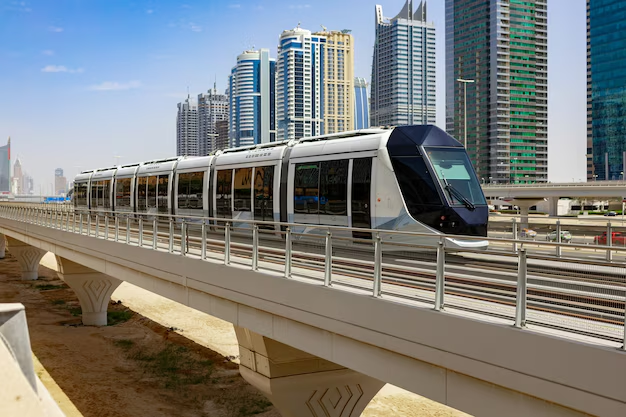
Dubai has always been at the forefront of modernity, and its metro system is no exception. The city is home to one of the most advanced metro networks in the region, with future developments continuing to elevate its status as a global hub for innovation.
1. Dubai Metro Blue Line: A Monumental Leap
One of the most anticipated developments is the Dubai Metro Blue Line, which is set for completion in 2029. Spanning 30 kilometers and featuring 14 stations, this project is poised to become a symbol of modern transportation. The Blue Line will be home to the world’s tallest metro station, towering at 74 meters above the ground. Designed by the renowned architecture firm Skidmore, Owings & Merrill, the station is part of Dubai’s ambition to create a metro system that is not only efficient but also visually striking.
This ambitious project is a significant part of the UAE’s commitment to urban sustainability and smart mobility, providing vital connections to key districts such as Mirdif, Dubai Silicon Oasis, and Dubai Creek Harbour. The Blue Line will cater to a projected ridership of 320,000 passengers by 2040, highlighting its crucial role in addressing traffic congestion and providing eco-friendly alternatives to traditional car travel.
2. Dubai Loop: The Future of Urban Transit
In addition to the Blue Line, Dubai is also collaborating with Elon Musk’s The Boring Company on the Dubai Loop, a 17-kilometer underground electric transit system set to begin operations by 2026. The Loop promises to transport passengers at speeds of up to 160 km/h, drastically reducing commute times and addressing the city’s traffic congestion issues.
The Dubai Loop will feature 11 stations, each designed to provide a seamless, sustainable, and fast mode of transportation for residents and visitors. This system is a prime example of how Dubai continues to innovate in urban mobility, making it one of the most futuristic cities when it comes to public transport infrastructure.
Riyadh Metro: A Hub of Modern Engineering and Design
Saudi Arabia’s capital, Riyadh, is also making significant strides in developing a state-of-the-art metro system. The Riyadh Metro is part of the broader King Abdulaziz Public Transport Project, which aims to enhance the city’s infrastructure and promote sustainability.
1. King Abdullah Financial District (KAFD) Station
Among the standout features of the Riyadh Metro is the King Abdullah Financial District (KAFD) Station. This station is a masterpiece of contemporary design, blending modern engineering with functional architecture. It boasts sustainable cooling systems and natural lighting, making it a model of eco-friendly urban transit solutions.
The KAFD Station is strategically located in one of Riyadh’s most vibrant areas, acting as a central hub for the city’s metro network. Its design reflects Saudi Arabia’s ambition to position Riyadh as a global city with sustainable transportation systems and cutting-edge urban infrastructure. The station’s ability to blend aesthetics with functionality is a prime example of Riyadh’s commitment to innovation.
2. Qasr Al-Hokm Station
Another iconic station in Riyadh is Qasr Al-Hokm Station, located at the heart of the city. Designed by the Norwegian architectural firm Snøhetta, the station incorporates traditional Najdi architecture into its modern design. The station features sleek stainless-steel canopies and slanted walls, which create a striking visual appeal. With a sprawling 19,600 square meters of space, Qasr Al-Hokm serves as a major interchange for the city’s metro system.
This station exemplifies Riyadh’s goal of integrating cultural heritage with modern urban development, providing a link between the city’s past and future. It reflects the importance of creating metro stations that are not only functional but also visually compelling and culturally relevant.
Doha Metro: Merging Tradition with Innovation
Qatar’s metro system, which is part of the country’s ambitious infrastructure development for the FIFA World Cup 2022, is a blend of modernity and traditional Qatari architecture. The Doha Metro is designed to be one of the most advanced metro systems in the world, with state-of-the-art stations and sustainable transit solutions.
1. Msheireb Station: A Fusion of Tradition and Modernity
Located in the heart of Doha, Msheireb Station is a true architectural marvel that combines traditional Qatari architectural elements with contemporary design. The station’s design is inspired by Islamic architecture, with a unique “Vaulted Spaces” structure. The use of modern materials creates a stunning effect, making the station not just a transportation hub but also a cultural landmark.
The station’s layout and design are aimed at enhancing the pedestrian experience, encouraging the use of public transport by making it more accessible and engaging. Msheireb Station is a prime example of how Doha’s metro system seeks to preserve the country’s cultural heritage while embracing technological advancements in urban mobility.
2. Al Riffa Elevated Station: A Vision of Movement
The Al Riffa Elevated Station is another futuristic marvel within the Doha Metro system. The station’s design reflects the strength and monolithic appeal of traditional Qatari architecture, while its interior exudes a sense of movement and fluidity. The station aims to create an immersive experience for passengers, with modern design elements that evoke a sense of dynamism and forward-thinking.
This station is a reflection of Qatar’s commitment to creating urban spaces that are not only functional but also transformative, promoting new habits and enhancing the overall urban experience.
Bahrain Metro: Pioneering Sustainable and Innovative Transportation
Bahrain is also making strides in its metro development, with plans to implement self-driving electric trains as part of its metro system. This represents a futuristic approach to urban transit that aims to reduce traffic congestion, lower environmental impact, and provide efficient public transportation.
1. Self-Driving Electric Trains
Bahrain’s metro system is set to feature self-driving electric trains, a pioneering step towards sustainable urban mobility. These trains are designed to be environmentally friendly and energy-efficient, contributing to the kingdom’s goal of reducing its carbon footprint. This innovation not only improves the efficiency of the public transport network but also showcases Bahrain’s forward-thinking approach to smart cities and automated transport.
2. Integration with King Hamad International Passenger Station
As part of its metro development, Bahrain plans to link its metro network with the King Hamad International Passenger Station, which will serve as a major transportation hub. This integration will enhance regional connectivity, enabling seamless travel between Bahrain and neighboring Saudi Arabia. The project underscores Bahrain’s vision to become a key player in cross-border transportation within the GCC region.
Kuwait Metro: Planning for a Smart Future
Kuwait’s metro system is still in its early planning stages but is set to be a part of the broader GCC Railway project, which aims to improve regional connectivity and promote economic cooperation between GCC countries.
While specifics of the design and development are still under wraps, the project is expected to integrate the latest technologies and sustainable practices to create a smart, efficient, and environmentally friendly metro network. The Kuwait metro will play a crucial role in enhancing the country’s urban mobility and contributing to the region’s transportation integration.
Conclusion: The Future of Urban Transportation in the GCC
As of 2026, the GCC countries are leading the way in transforming urban mobility with their futuristic metro systems. Dubai’s Blue Line, Riyadh’s KAFD Station, and Doha’s Msheireb Station are just a few examples of the innovative metro stations that are shaping the future of public transportation in the region. These metro stations are not just about connectivity; they represent the convergence of technology, sustainability, and design.
From self-driving electric trains in Bahrain to the integrated transportation hubs in Riyadh, the GCC is setting new standards for metro systems that cater to the needs of the modern urban population. As these projects continue to evolve, they will undoubtedly play a pivotal role in creating smarter cities and improving the quality of life for residents across the Gulf region.
The post Dubai Joins Riyadh, Doha, Bahrain, and Kuwait Are Shaping the Future of Metro Systems in 2026: A Complete Guide appeared first on Travel and Tour World














































Comments and Responses
Please login. Only community members can comment.