
















































Desa Kirana: Malaysia’s New Rural Tourism Initiative to Boost Local Economies
-
History & Art, Travel
-
-
4 mins
-
Travel and Tour World
-
Moulina Dhara
-


The Desa Kirana programme in Malaysia aims to attract 100,000 tourists to rural destination by 2026, boosting local economies and promoting sustainable tourism.
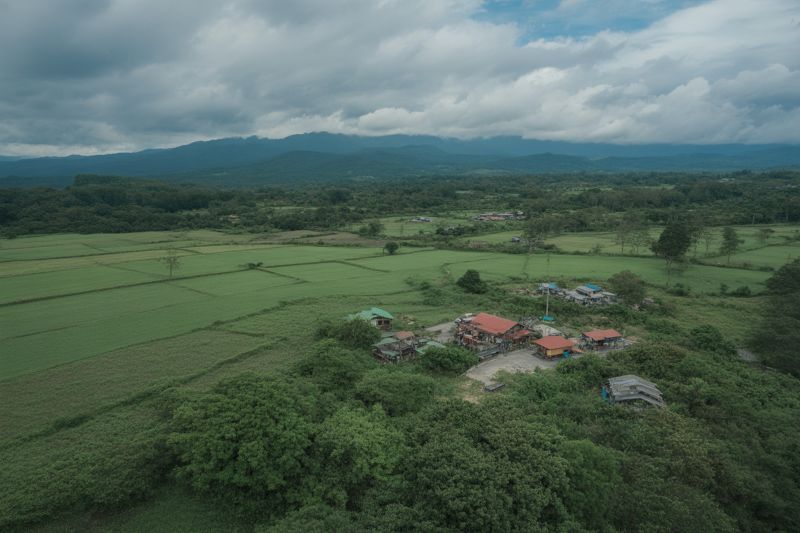
The Malaysian government is also looking at rural tourism as one of the major stimuli in the tourist plan of the country in support of Visit Malaysia Year 2026. The ‘Desa Kirana’ programme, which has been introduced by the Rural and Regional Development Ministry, plans to attract 100,000 visitors to 25 rural places in Malaysia by end of 2025. All these are aimed at economically empowering rural communities by exposing the uniqueness of rural Malaysia.
Promoting Rural Tourism as a Means of Economic Empowerment
The Desa Kirana programme is designed to not only boost tourism in rural areas but also ensure that the economic benefits of tourism are spread beyond the major cities. Deputy Prime Minister Datuk Seri Dr Ahmad Zahid Hamidi, who also serves as the Minister for Rural and Regional Development, emphasized that the government is keen on ensuring that rural areas experience tangible economic growth from increased tourist arrivals. By promoting lesser-known, rural destinations, Malaysia hopes to create sustainable opportunities for local communities.
“Rural areas in Malaysia have so much to offer, from their unique lifestyle to rich cultural heritage. By drawing tourists to these regions, we can enhance the local economy, create job opportunities, and ensure that all Malaysians benefit from tourism,” said Ahmad Zahid during the launch of the Desa Kirana tourism initiative.
The programme focuses on 25 rural locations across the country, each with its own distinctive attractions, cultural experiences, and natural beauty. These areas are being marketed as unique tourism products, offering travelers a chance to explore the slower pace of rural life, while participating in various cultural and ecological experiences that are authentic and immersive.
Building on Strong Regional and International Interest
The programme targets tourists from key markets, including the ASEAN region, Oceania (Australia and New Zealand), and Europe. Additionally, there is growing interest from South Korea and Japan, with many tourists from these countries eager to experience Malaysia’s rural lifestyle and landscapes. According to tourism data, the rustic charm of Malaysia’s rural areas, combined with the warm hospitality of the local communities, has been a strong draw for visitors from these regions.
The Desa Kirana programme leverages this interest by offering comprehensive tourism packages that highlight the best of rural Malaysia. These packages provide a structured way for visitors to experience traditional customs, participate in farming activities, stay in homestays, and enjoy the country’s picturesque rural landscapes. The goal is to create authentic experiences that resonate with tourists seeking something different from the typical urban tourism offerings in Malaysia.
Creating a Sustainable Rural Tourism Model
Sustainability is a key focus of the Desa Kirana programme. The government and local stakeholders are working together to ensure that the growth of rural tourism benefits both tourists and local residents. The programme emphasizes responsible tourism practices, including eco-friendly accommodations and tours, to preserve the natural environment and cultural integrity of these areas.
One of the programme’s goals is to create long-term economic benefits for local communities by increasing their income from tourism activities. Ahmad Zahid has set a target of a 20% increase in local income next year, demonstrating the potential impact of this initiative. By involving local residents in tourism activities and encouraging the development of community-run businesses, Desa Kirana is fostering a sustainable, inclusive approach to tourism that ensures economic prosperity is shared among all stakeholders.
Challenges and the Need for Ongoing Maintenance
While the Desa Kirana programme has garnered widespread enthusiasm, Ahmad Zahid has urged that ongoing maintenance and care for the promoted locations are crucial for ensuring the long-term success of the initiative. During visits to homestays in various states, including Selangor and Negeri Sembilan, he expressed disappointment at finding some locations poorly maintained despite previous promotional efforts.
He stressed the need for local communities to prioritize the upkeep of tourism facilities and services. “It’s essential that these homestays and other tourism services remain in good condition even after the campaign ends. Tourism is a long-term commitment, and maintenance is key to ensuring repeat visits and sustained economic growth,” he said.
The Ministry of Rural and Regional Development is working in collaboration with the Ministry of Tourism, Arts and Culture to ensure the success of these tourism products. The partnership aims to support local operators in maintaining high-quality standards and offering excellent visitor experiences, ensuring that Malaysia’s rural destinations continue to attract tourists even after the initiative concludes.
The Future of Rural Tourism in Malaysia
Looking ahead, the Desa Kirana programme sets the foundation for a more inclusive and diversified tourism industry in Malaysia. By promoting rural destinations alongside traditional urban hotspots, the government aims to create a more balanced tourism industry that benefits all regions. The programme also highlights Malaysia’s commitment to sustainable tourism, where growth is achieved through responsible and eco-conscious practices that benefit local communities and preserve the environment.
For travelers, the Desa Kirana programme provides a unique opportunity to experience Malaysia off the beaten path. With its mix of natural beauty, cultural heritage, and local hospitality, Malaysia’s rural destinations offer an authentic and immersive experience that cannot be found in the typical tourist hotspots.
As Malaysia prepares for Visit Malaysia Year 2026, the success of the Desa Kirana programme will play a crucial role in shaping the future of the country’s tourism sector. By continuing to invest in rural tourism and creating new pathways for economic development, Malaysia can ensure that tourism remains a driving force for prosperity and cultural exchange.
Desa Kirana – A New Chapter for Rural Tourism in Malaysia
The Desa Kirana project is an important initiative where rural tourism takes on a huge role in the overall tourism plans of Malaysia. Through the development of 25 rural destinations in the country, the impact of the tourism boom cannot be limited to specific destinations but will instead be shared by all. Through its focus on culture, the environment, and community engagement, Desa Kirana sets the tone for what the future of tourism would be like.
The post Desa Kirana: Malaysia’s New Rural Tourism Initiative to Boost Local Economies appeared first on Travel and Tour World























































Comments and Responses
Please login. Only community members can comment.