





















































Complete Guide to Nashik Kumbh Mela 2027: Verified Travel Routes, Accommodation and Safety Tips
-
Blogs, Children, Religion, Travel
-
-
3 mins
-
Travel and Tour World
-
Iram Firdosh
-


Complete travel guide, Shahi Snan dates, and safety tips for Simhastha Kumbh Mela 2027 in Nashik and Trimbakeshwar, Maharashtra.
NASHIK, MAHARASHTRA – A new site, NashikKumbhMela.org, offers travel, important bathing dates, and civic planner’s assistance for the Simhastha Kumbh Mela 2027 in Maharashtra. The site is built for the millions of devotees who will be attending the world’s most huge spiritual gathering.
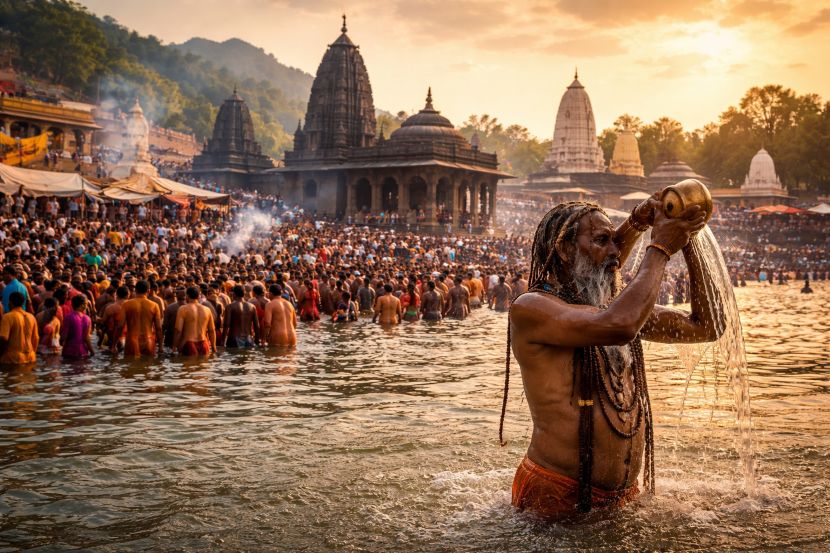
During the sacred bathing days for Ramkund in Panchavati and Kushavarta Kund in Trimbakeshwar, authorities expect huge crowds. The Kumbh Mela is classified as a major religious tourism event by the Government of Maharashtra and the Ministry of Tourism, Government of India. This event occurs once every 12 years, attracting new and seasoned international travelers.
Official Dates for Shahi Snan 2027
The portal highlights the confirmed Shahi Snan schedule for 2027. These dates align with traditional Hindu calendars followed by temple authorities and state administrations.
- August 2, 2027 – First Shahi Snan (Ashadh Somvati Amavasya)
- August 31, 2027 – Main Shahi Snan (Shravan Amavasya)
- September 11, 2027 – Third Shahi Snan for Vaishnava Akhadas in Nashik
- September 12, 2027 – Third Shahi Snan for Shaiva Akhadas in Trimbakeshwar
During these days, saints and akhadas take ceremonial dips in the Godavari River. Devotees gather in huge numbers. Government advisories recommend early travel planning and strict adherence to safety protocols.
Crowd Forecast and City Planning Tools
The platform introduces a crowd forecast planner. It outlines peak days, likely congestion zones, and expected waiting times near ghats. It also explains traffic diversions and parking regulations.
The Maharashtra government traditionally enforces vehicle restrictions near Ramkund and Trimbakeshwar during high-footfall days. Authorities shift private vehicles to outer parking zones. Shuttle services and state transport buses manage last-mile connectivity.
Pilgrims can use the digital planner to avoid peak congestion hours. Early morning visits reduce waiting time. Authorities advise senior citizens and families with children to avoid peak procession hours.
Travel Guide for Devotees
The portal presents a structured Yatra guide based on verified transport routes and government infrastructure updates.
By Air
Ozar Airport in Nashik operates domestic flights. Chhatrapati Shivaji Maharaj International Airport in Mumbai offers wider connectivity. From Mumbai, travelers can reach Nashik by road or rail within four to five hours.
By Rail
Nashik Road Railway Station connects with Mumbai, Delhi, and other major cities. Indian Railways usually runs special trains during Kumbh gatherings. Devotees should monitor official railway announcements for updated schedules.
By Road
National Highway 160 and Mumbai–Nashik Highway provide direct access. Maharashtra State Road Transport Corporation (MSRTC) operates frequent buses. Special Kumbh services increase during Shahi Snan dates.
Local Transport
Citilinc city buses and shared autos connect Nashik Road Station to Panchavati and Trimbakeshwar. Authorities advise travelers to confirm fares before boarding private vehicles. Government buses offer safer and regulated pricing.
Accommodation Options
Accommodation demand rises sharply during Kumbh months. The portal outlines different stay options.
Sadhugram serves as a tent city developed under government supervision. It caters to saints, akhadas, and pilgrims. Facilities include sanitation blocks, drinking water supply, and medical units.
Hotels in Nashik city range from budget lodges to mid-range properties. Dharamshalas near temples provide economical stays for pilgrims. Devotees should book rooms months in advance through verified platforms.
The Ministry of Tourism and Maharashtra Tourism Development Corporation publish advisories on approved accommodations. Travelers should avoid unauthorized agents.
Spiritual and Cultural Significance
The Simhastha Kumbh Mela occurs when Jupiter enters the zodiac sign Leo. Hindu scriptures connect this alignment with spiritual purification.
Nashik holds deep mythological importance. Ramkund in Panchavati links to the Ramayana. Devotees believe Lord Rama stayed in this region during exile. Kushavarta Kund in Trimbakeshwar marks the symbolic origin of the Godavari River.
The Trimbakeshwar Jyotirlinga temple stands as one of the twelve Jyotirlingas in India. Pilgrims visit this shrine along with the ghats. The area also houses ancient caves and sacred sites like Tapovan.
Thirteen akhadas participate in ceremonial processions. These ascetic orders follow distinct traditions within Shaiva and Vaishnava sects. Their Shahi Snan processions mark the most visually powerful moments of the Kumbh.
Health and Safety Measures
Government agencies deploy large-scale medical camps during Kumbh events. Temporary hospitals, disaster response teams, and police forces manage crowd flow.
Pilgrims should carry valid identification. They should follow official announcements through district administration channels. Drinking bottled or purified water prevents illness. Wearing comfortable footwear reduces fatigue during long walks.
Mobile connectivity may slow during peak hours. Devotees should fix meeting points in advance if traveling in groups.
Digital Support for Modern Pilgrimage
The portal streamlines the process of finding verified data. It merges bathing times, routes, accommodation guidance, and cultural information in one place.
Digital resources ease the process. Information is organized. Planning guides movement and reduces confusion.
The Simhastha Kumbh Mela 2027 will attract millions to Nashik and Trimbakeshwar. Prepared pilgrims will be able to enjoy the sanctity of the place.
The post Complete Guide to Nashik Kumbh Mela 2027: Verified Travel Routes, Accommodation and Safety Tips appeared first on Travel and Tour World













































Comments and Responses
Please login. Only community members can comment.