























































Chumathang Hot Spring in India: A Serene Himalayan Retreat Every Traveller Should Experience
-
Blogs, Culinary, Children, Shopping, Travel
-
-
4 mins
-
Travel and Tour World
-
Rituparna Dutta Choudhury
-


A detailed travel guide to Chumathang Hot Spring in India, highlighting its attractions, facilities, access, and nearby places for an enriching Ladakh journey.
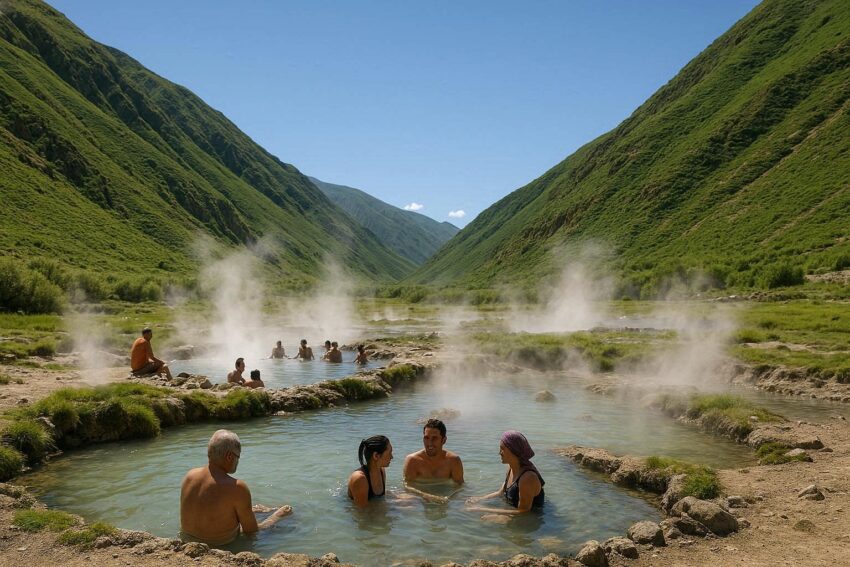
Tucked away in the remote landscapes of Ladakh in India, the Chumathang Hot Spring has long been regarded as one of the region’s most soothing natural marvels. Positioned near the banks of the Indus River and lying en route to the breathtaking Tso Moriri Lake, this geothermal wonder has been embraced by travellers seeking warmth amid the stark Himalayan terrain. Surrounded by silent valleys and snow-clad mountains, the spring creates an atmosphere of tranquillity that contrasts beautifully with Ladakh’s rugged wilderness. The natural heat emerging from the ground has been observed to form steaming pools that remain warm even when the surrounding temperatures drop to extreme lows. Over the years, this offbeat village stopover has gradually become an essential pause for visitors aiming to understand the deeper environmental charm of the region. Although modest in infrastructure, the area provides basic amenities that make the experience comfortable while retaining the purity of its natural environment. With its therapeutic ambience, dramatic setting and easy accessibility from Leh, the Chumathang Hot Spring continues to offer travellers a quiet and restorative escape, making it a memorable highlight in the broader exploration of Ladakh.
Chumathang Hot Spring: A Soothing Himalayan Stopover in India
A Natural Marvel in the Heart of Ladakh
Located in the Leh district of Ladakh in India, the Chumathang Hot Spring has been recognised as one of the region’s most distinctive geothermal formations. Perched approximately 3,300 metres above sea level, the spring lies close to the Indus River and serves as a refreshing halt for those travelling toward the famous Tso Moriri Lake. Its warm vapours rising gently against the cold desert backdrop create an almost dreamlike scene that leaves a lasting impression on visitors. The surrounding mountain ranges enhance the atmosphere, offering an interesting mix of silence, stillness and natural heat in an otherwise chilly environment.
The geothermal activity beneath the surface has been understood to heat underground water, allowing it to emerge as consistently warm pools. This natural process gives the village of Chumathang an unusual yet inviting charm, making it a favourite among travellers exploring lesser-known Himalayan spots.
Facilities Available for Visitors
Despite its growing popularity, Chumathang has retained a raw and uncomplicated character. Facilities around the hot spring area remain simple yet practical for travellers passing through. Basic changing spaces have been arranged near some accessible pools to allow visitors to enjoy the warm water comfortably. Local households operate small eateries, offering tea and snacks prepared in traditional Ladakhi style.
Parking availability along the roadside ensures convenience for those arriving by vehicle. A network of homestays in the village offers clean rooms, home-cooked meals and access to restrooms. Owing to geothermal risks, several springs have been fenced off for safety, and only selected areas are permitted for bathing. These controlled zones ensure that visitors remain safe while enjoying the warmth.
Ideal Time to Visit
The best period for visiting Chumathang Hot Spring extends from May to September. During these months, temperatures remain moderate and the roads leading to the region stay open. Ladakh’s winter, though visually stunning, brings severe cold and heavy snowfall, making travel more challenging and sometimes impossible. Summer therefore provides the most reliable and comfortable window for access.
How to Reach Chumathang
Chumathang is located roughly 138 kilometres from Leh city centre. A road journey via the NH 3 route takes approximately 2 hours and 40 minutes. The drive is widely appreciated for its scenic views, as much of the route runs parallel to the Indus River. The changing hues of the landscape, shifting mountains and river valleys contribute to the overall beauty of the experience, making the approach as memorable as the destination itself.
Accommodation Options Near Chumathang
Although Chumathang village itself offers only modest homestays, these simple accommodations provide warm hospitality and freshly prepared meals. For visitors seeking slightly more structured facilities, the nearby settlements of Nyoma and Mahe present small guesthouses with essential amenities.
Travellers planning to include Tso Moriri Lake in their itinerary often choose to extend their stay in Korzok, where camps and lodges sit close to the lake’s edge. These options allow journeys to be spaced comfortably, preventing long and tiring drives across Ladakh’s demanding terrain.
Entry Regulations, Permissions and Safety Measures
There is generally no formal entry fee for visiting the Chumathang Hot Spring. Local residents may request small contributions toward maintenance of the area. Specific permits for the hot spring are not required, but Inner Line Permits remain essential for several border-adjacent regions in Ladakh, and travellers should check updated requirements before visiting.
Safety remains a key aspect around geothermal sites. The temperatures of various pools differ significantly, and the ground around active spring points can be fragile. Bathing is recommended only in designated areas. Children, especially, must be closely supervised to prevent accidents.
Weather Conditions and Altitude Tips
Due to the high-altitude environment, acclimatisation is considered vital before travelling farther from Leh. The region is known for abrupt weather shifts, with warm sunlight during the day and sharply cooler evenings. Even in summer, visitors are advised to carry warm clothing, sunscreen and adequate drinking water. Staying hydrated and avoiding unnecessary exertion helps reduce altitude-related discomfort.
Responsible Travel Practices
Chumathang Hot Spring lies within an ecologically delicate zone. Visitors are encouraged to avoid littering and restrict movement to pathways and designated bathing spots. Respecting local geothermal formations helps preserve the natural site for future travellers. Supporting nearby homestays, food stalls and local craft shops contributes positively to community livelihoods and strengthens sustainable tourism in the region.
Nearby Attractions Worth Exploring
Shanti Stupa
Known for its peaceful ambience, this landmark offers panoramic views of Leh. The climb involving around 500 steps has been widely appreciated for its rewarding scenery.
Thiksey Monastery
Affiliated with the Gelug school of Tibetan Buddhism, this monastery houses a majestic Maitreya Buddha statue and provides a broader understanding of Ladakh’s spiritual heritage.
Pangong Tso
One of Ladakh’s most iconic lakes, Pangong Tso stretches along the India-China border and is known for its pristine beauty and constantly shifting shades of blue.
Local Treks and Walks
Scenic routes around Chumathang, Nyoma and nearby villages offer enjoyable walking and trekking opportunities for those wishing to absorb Ladakh’s landscapes at a relaxed pace.
The Bottom Line
Chumathang Hot Spring stands as a gentle reminder of the remarkable natural contrasts found in Ladakh, India. Its warm waters emerging in the heart of a cold desert landscape create a unique environment that remains etched in the memories of travellers. With its modest facilities, welcoming community and proximity to significant attractions, Chumathang continues to be valued as a serene and restorative stopover in the larger Himalayan journey.
The post Chumathang Hot Spring in India: A Serene Himalayan Retreat Every Traveller Should Experience appeared first on Travel and Tour World














































Comments and Responses
Please login. Only community members can comment.