























































Chgnavor Village Ruins – Stone-Built Ancient Settlement Above Lakes and Mountains
-
Blogs, Nature & Wildlife, History & Art, Travel
-
-
5 mins
-
Travel and Tour World
-
Akash Bagchi
-


Explore Chgnavor Village Ruins, an abandoned stone settlement overlooking lakes and mountains. Learn about its history, access routes, hiking details, best visiting seasons, and cultural importance in this comprehensive travel guide.
A Forgotten Mountain Hamlet Preserved in Silence
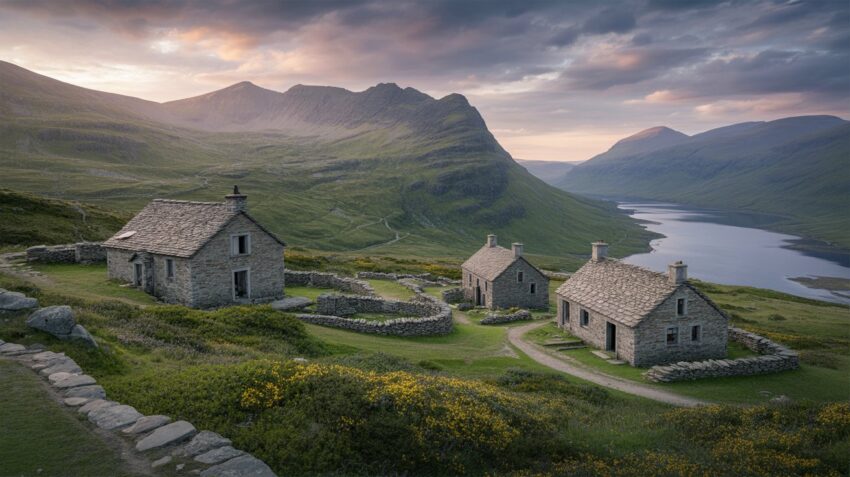
High in Armenia’s rugged highlands, the Chgnavor Village Ruins stand as a serene testament to centuries of rural life shaped by mountain landscapes, stone craftsmanship, and enduring tradition. Overlooking shimmering lakes and dramatic peaks, this abandoned settlement offers travelers an immersive experience that blends nature, history, and the quiet mystery of a village left untouched by modern tourism.
Chgnavor’s scattered stone houses, ancient pathways, and panoramic views create one of Armenia’s most atmospheric off-the-beaten-path destinations. With its peaceful isolation and raw authenticity, it represents a compelling location for hikers, photographers, history enthusiasts, and anyone captivated by forgotten places.
History and Geography of Chgnavor Village
Origins and Historical Background
Chgnavor was historically a small mountain village inhabited by families who relied on livestock, foraging, and seasonal agriculture. The exact date of its foundation remains uncertain, but architectural traces suggest that the village was active for centuries, possibly beginning in the medieval period.
Its stone-built houses follow traditional Armenian rural construction methods:
- Dry-stone masonry
- Thick walls for insulation
- Semi-subterranean structures for stability
- Narrow passageways shaped by generations of foot traffic
Environmental challenges, migration, and economic changes eventually led residents to relocate, leaving behind a ghost village preserved in the mountains.
Geographical Setting in Armenia
Chgnavor is located in a high-altitude region where the landscape transitions from rolling hills to rugged peaks. Its position provides expansive views of:
- Mountain lakes
- Alpine meadows
- Sharp ridgelines
- Deep valleys carved by ancient rivers
This vantage point showcases Armenia’s wilder, less-visited natural heritage. The air is crisp, the silence deep, and the scenery dramatic—making the village’s ruins feel suspended between past and present.
Ecological Surroundings
The area around Chgnavor is known for:
- Seasonal wildflowers
- Mountain herbs and aromatic plants
- Birdlife typical of higher elevations
- Occasional grazing herds from nearby hamlets
The natural environment greatly enhances the experience, especially during spring bloom or autumn’s glowing colors.
Role of Chgnavor Village in Global Tourism
An Authentic Heritage Site
Chgnavor’s value lies in its genuinely untouched atmosphere. Unlike reconstructed heritage sites or modernized rural attractions, this abandoned village remains in its original state. This authenticity is particularly appealing for:
- Cultural heritage travelers
- Anthropologists and researchers
- Documentary photographers
Appeal for Adventure and Nature Tourism
Chgnavor fits within global trends that favor destinations offering solitude, nature immersion, and hiking experiences. The combination of ruins and scenery supports:
- Trekking routes across highland landscapes
- Long-distance walking itineraries
- Photographic expeditions
- Quiet retreats away from tourist crowds
Sustainable and Low-Impact Tourism
Because the village has no commercial infrastructure, tourism remains minimal and environmentally sensitive. Visitors have the opportunity to enjoy:
- Pristine mountain landscapes
- Clean air
- Quiet, contemplative spaces
This encourages low-impact travel, aligning with global eco-tourism principles.
Cultural and Educational Importance
Chgnavor offers insights into traditional Armenian rural architecture and community life. For students and researchers, the site provides:
- Archaeological interest
- Study opportunities regarding rural settlement patterns
- A glimpse into historical daily life and adaptation to mountain climates
How to Reach Chgnavor Village Ruins
Reaching the Region
Visitors usually begin their journey from nearby towns or regional hubs, depending on the exact location of their itinerary within the province. Travel typically involves:
- Paved roads leading toward mountain villages
- Then transitioning to gravel or dirt roads
- Finally, short hiking trails depending on the specific route
Access by Vehicle
While some larger paths can be navigated with a standard vehicle in dry conditions, the most reliable access is via:
- 4×4 Jeep
- Off-road capable vehicle
These vehicles handle uneven terrain and steep sections more safely.
Hiking Options
For adventure travelers, Chgnavor is ideal for a mountain hike, offering:
- Panoramic ridgelines
- Gradual ascents
- Scenic points perfect for photography
- Opportunities to explore nearby lakes and meadows
Trail length varies by route, but hikers should plan for at least several kilometers of moderate trekking.
Guided Tours
Because the site is remote and lacks signage, visitors may benefit from hiring a local guide who can:
- Identify safe and scenic paths
- Explain the history of the village
- Provide regional insights
- Combine Chgnavor with other mountain attractions
Who Can Visit Chgnavor Village?
Ideal Visitors
Chgnavor is particularly suited for:
- Hikers and trekkers: Moderate trails and highland views
- Photographers: Ruins framed by lakes and mountain sunsets
- History enthusiasts: Ancient architecture and rural heritage
- Nature lovers: Alpine flora and untouched landscapes
- Cyclists with mountain bikes: Rough terrain and scenic routes
General Visitor Suitability
Because the landscape is rugged, Chgnavor is best experienced by those comfortable with:
- Uneven paths
- Outdoor environments
- Moderate physical activity
Accessibility Notes
There are no paved walkways or visitor facilities. Individuals with limited mobility may find parts of the terrain challenging.
Best Time to Visit Chgnavor Village Ruins
Spring (April–June)
- Meadows filled with wildflowers
- Lakes at high water levels
- Mild temperatures for hiking
- Clear skies for photography
Summer (July–August)
- Warm, dry weather ideal for extended hikes
- Stable trail conditions
- Longer daylight hours for exploration
Autumn (September–October)
- Vibrant foliage against stone ruins
- Cooler temperatures
- Crisp mountain air
- Ideal lighting conditions
Winter (November–March)
- Snow can make the site difficult to access
- Trails may be icy
- The ruins transform into a dramatic winter landscape for experienced explorers
The most recommended months are April through October.
Conclusion
Chgnavor Village Ruins stand as a hauntingly beautiful reminder of Armenia’s rural past, offering visitors a powerful combination of history, landscape, and solitude. Set high above lakes and mountains, the abandoned stone houses and quiet pathways create an immersive experience unlike any typical tourist attraction. Ideal for hikers, photographers, and travelers drawn to heritage-rich natural environments, Chgnavor offers both exploration and reflection.
With its authentic atmosphere, untouched surroundings, and remarkable views, this forgotten village remains one of Armenia’s most compelling off-the-beaten-path destinations. Whether part of a broader highland adventure or a dedicated journey into rural history, Chgnavor invites visitors to step into a timeless mountain world.
The post Chgnavor Village Ruins – Stone-Built Ancient Settlement Above Lakes and Mountains appeared first on Travel and Tour World














































Comments and Responses
Please login. Only community members can comment.