























































Buhair Valley Bahrain: A Lush Farmland Escape Amid the Kingdom’s Desert Landscape
-
Blogs, Culinary, Nature & Wildlife, Travel
-
-
4 mins
-
Travel and Tour World
-
Akash Bagchi
-


Explore Buhair Valley in Bahrain, a quiet agricultural landscape offering green farmland, rural experiences, and a refreshing contrast to the country’s desert terrain.
Buhair Valley in Bahrain: Where Green Fields Break the Desert Horizon
Special Introduction: A Landscape That Defies Expectations
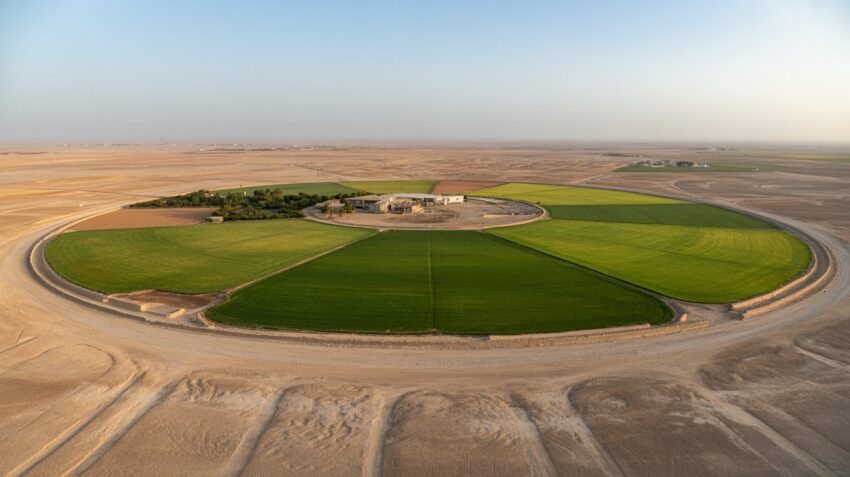
When most travelers imagine Bahrain, vast deserts, coastlines, and urban skylines come to mind. Hidden quietly away from these familiar scenes lies Buhair Valley, a rare pocket of greenery where cultivated land stretches across the landscape.
Buhair Valley stands as a visual and cultural contrast to Bahrain’s arid environment. It is not a tourist complex or curated attraction, but a living agricultural landscape that reveals how farming traditions continue to shape the country’s relationship with land, water, and food.
What Is Buhair Valley?
A Natural Agricultural Depression
Buhair Valley is a low-lying agricultural area where fertile soil and groundwater have supported farming for generations. Unlike manicured parks, the valley is shaped by seasonal cycles, irrigation channels, and cultivation patterns.
Its identity is rooted in productivity rather than presentation.
Why Buhair Valley Matters for Tourism
A Different Side of Bahrain Travel
For travelers interested in rural and agricultural tourism, Buhair Valley offers insight into everyday landscapes that rarely appear in guidebooks. It expands Bahrain’s tourism narrative beyond heritage sites and urban attractions.
The valley invites visitors to slow down and observe local life connected to the land.
Where Is Buhair Valley Located?
Inland and Away from Coastal Routes
Situated away from Bahrain’s coastal focus, Buhair Valley lies inland, surrounded by quieter roads and open terrain. This location contributes to its peaceful atmosphere and low visitor numbers.
Reaching the valley often feels like stepping into a parallel landscape.
Who Works the Land in Buhair Valley?
Farming Communities and Agricultural Traditions
Local farmers cultivate crops suited to Bahrain’s climate using traditional knowledge combined with modern methods. The valley reflects resilience and adaptation in an environment where agriculture is never easy.
Visitors witness a working landscape rather than a staged experience.
When Does Buhair Valley Look Its Greenest?
Seasonal Shifts in Color and Texture
The valley’s appearance changes throughout the year depending on rainfall, irrigation, and planting cycles. During cooler months, fields appear greener and more active.
These seasonal shifts give the valley a dynamic character.
How Buhair Valley Challenges Desert Stereotypes
Green Against the Sand
Buhair Valley disrupts the common perception of Bahrain as uniformly dry. Its cultivated land demonstrates how natural depressions and water access can transform the environment.
For travelers, this contrast is visually striking and intellectually engaging.
Agricultural Tourism in Buhair Valley
Learning from the Land
Agricultural tourism in Buhair Valley is informal and observational. Visitors gain understanding by watching farming practices, irrigation systems, and crop management rather than participating in organized tours.
This authenticity enhances the travel experience.
Crops and Cultivation in the Valley
Sustaining Local Food Systems
The valley supports a variety of crops adapted to local conditions. Farming here contributes to food security and preserves agricultural knowledge passed down through generations.
For visitors, this highlights Bahrain’s lesser-known rural economy.
Buhair Valley as a Quiet Nature Escape
Silence, Space, and Simplicity
Unlike beaches or forts, Buhair Valley offers quiet immersion. The sounds of wind, birds, and distant farming activity replace traffic and crowds.
This makes the valley appealing to travelers seeking calm environments.
Photography Opportunities in Buhair Valley
Natural Patterns and Rural Aesthetics
Photographers are drawn to the valley’s textures—furrowed fields, irrigation lines, and open skies. The contrast between cultivated land and surrounding aridity creates compelling compositions.
Early mornings provide soft light and atmospheric conditions.
Best Time to Visit Buhair Valley, Bahrain
Comfort and Visual Appeal
Cooler months offer the most comfortable conditions for exploration. Morning or late afternoon visits reduce heat and enhance visual contrast.
Seasonal timing influences the valley’s color palette.
Buhair Valley and Sustainable Tourism
Respecting Working Landscapes
Because Buhair Valley is an active agricultural area, respectful travel is essential. Visitors should avoid disturbing crops or infrastructure and remain mindful of private land.
Sustainable tourism here means observation without interference.
Educational Value of Buhair Valley
Understanding Human–Environment Interaction
The valley provides a real-world example of how communities adapt to environmental constraints. This makes it valuable for educational travel focused on sustainability and land use.
Learning happens organically through observation.
Buhair Valley Compared to Other Nature Spots in Bahrain
Cultivation Versus Wilderness
Unlike coastal reserves or islands, Buhair Valley represents managed nature. Its value lies not in wild ecosystems but in the cultivated balance between humans and land.
This distinction enriches Bahrain’s tourism diversity.
Why Buhair Valley Appeals to Slow Travelers
Travel Without Agenda
The valley does not demand activities or schedules. Visitors are free to walk, observe, and reflect at their own pace.
This aligns well with slow and mindful travel philosophies.
Challenges Facing Buhair Valley
Environmental and Development Pressures
Like many agricultural areas, Buhair Valley faces challenges from water scarcity, urban expansion, and changing economic priorities. Preserving its agricultural character requires thoughtful planning.
Tourism awareness can help highlight its value.
Buhair Valley’s Role in Bahrain’s Cultural Landscape
More Than Just Green Fields
The valley represents continuity—proof that agriculture remains part of Bahrain’s identity despite modernization.
For travelers, it offers cultural depth beyond monuments and museums.
Pairing Buhair Valley with Other Travel Experiences
Building a Balanced Itinerary
Buhair Valley fits well alongside heritage sites, markets, and coastal areas. Its calm atmosphere balances busier tourist stops.
This creates a more complete understanding of Bahrain.
Practical Tips for Visiting Buhair Valley
Simple Preparation
- Wear comfortable walking shoes
- Bring water and sun protection
- Visit during cooler hours
- Respect private farmland
Facilities are minimal, reinforcing the valley’s authenticity.
The Future of Buhair Valley
Preserving Green Spaces in a Changing Landscape
The future of Buhair Valley depends on maintaining its agricultural function while recognizing its cultural and environmental value.
Awareness is key to long-term preservation.
A Green Reminder of Bahrain’s Roots
Buhair Valley, Bahrain, offers something rare—a glimpse into the country’s agricultural soul. Its green fields, quiet rhythms, and working landscapes stand in gentle contrast to desert sands and cityscapes.
For travelers willing to look beyond iconic attractions, Buhair Valley provides perspective, calm, and a deeper appreciation of how life thrives even in the most unexpected places.
The post Buhair Valley Bahrain: A Lush Farmland Escape Amid the Kingdom’s Desert Landscape appeared first on Travel and Tour World














































Comments and Responses
Please login. Only community members can comment.