
















































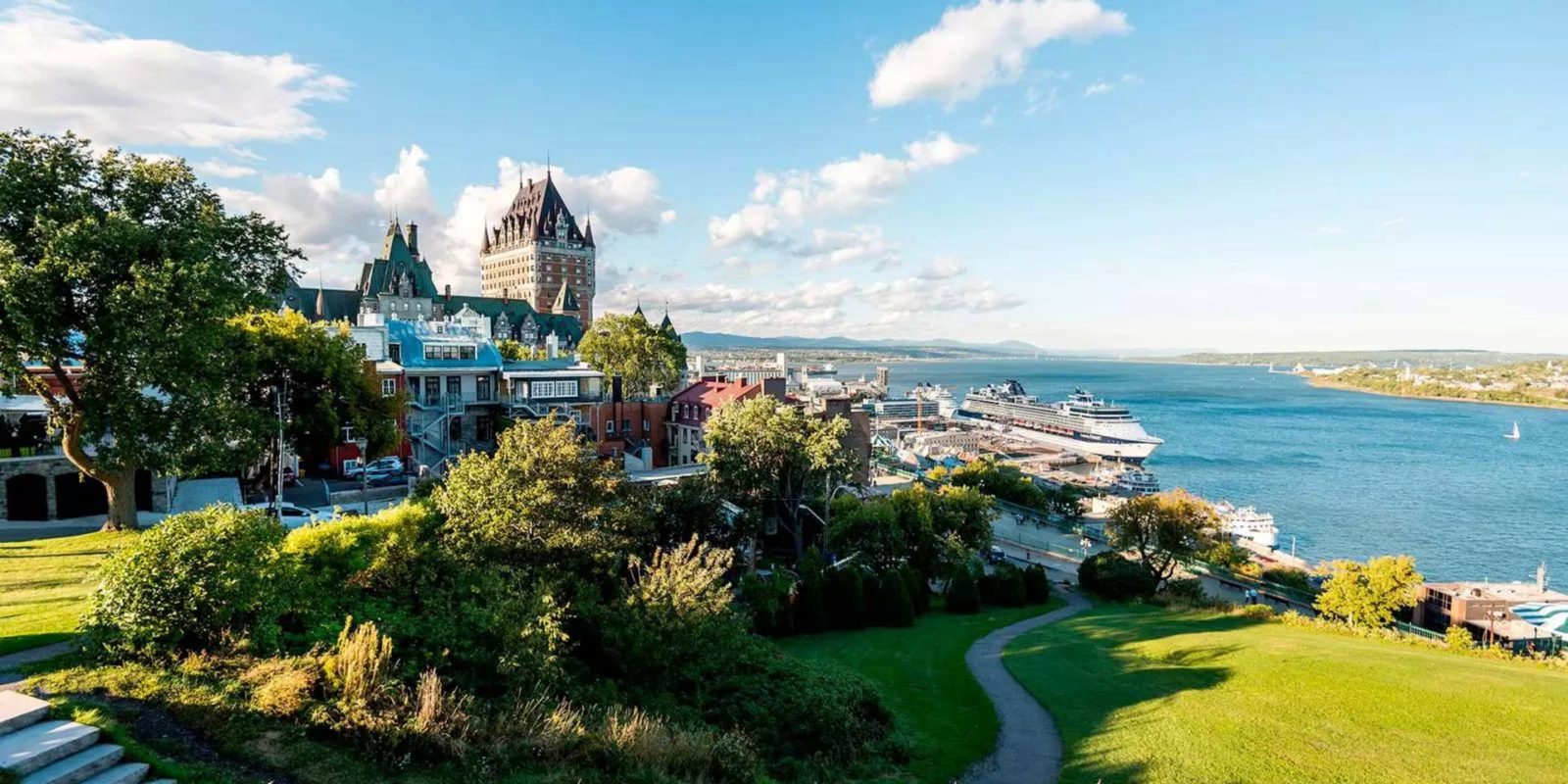
Canada Leads US and Others in 2026 Global Autumn Foliage Rankings, Boosting Fall Tourism with Québec City on Top
-
Blogs, Nature & Wildlife, History & Art, Shopping, Travel
-
-
16 mins
-
Travel and Tour World
-
Debarati Paul
-


Canada tops 2026 global autumn foliage rankings as Québec City leads the USA, Japan and Austria, highlighting top fall travel destinations and tourism appeal.
Canada leads the US and other major travel destinations in the 2026 global autumn foliage rankings, with Québec City on top of a competitive international list. The results highlight how seasonal landscapes are shaping fall tourism, attracting travellers to destinations known for colourful forests, cultural attractions and outdoor activities. Japan, Austria and the United States also feature prominently, demonstrating the growing international appeal of autumn holidays. Beyond sightseeing, the rankings bring attention to opportunities for hotels, airlines, local tour operators and regional tourism businesses. They also show how nature-based travel can strengthen destination visibility beyond traditional summer holiday periods worldwide.
Global Autumn Foliage Rankings 2026 Reveal Canada’s Growing Strength in Seasonal Tourism
Canada’s leading position comes from the Global Autumn Leaves Index developed by travel company IgluCruise and published on 24 September 2026. The study assessed 40 destinations using broadleaf canopy coverage, autumn sunshine, available excursions and UK search demand. Québec City ranked first with 90.6 points out of 100, followed by Kyoto with 85.9 and Burlington with 83.5. The United States secured the largest number of individual entries, while Canada placed three destinations in the top ten. These findings identify established opportunities for seasonal tourism, although the research does not measure actual increases in visitor arrivals, airline passengers or tourism revenue.
- Canada takes first place globally through Québec City.
- The United States accounts for four of the ten highest-ranked locations.
- Japan ranks second through Kyoto and eighth through Hiroshima.
- Austria’s Wachau Valley is the only European destination in the top ten.
- The results reflect a commercial travel research index, not an official government ranking.
Complete global autumn foliage destination rankings
| Rank | Destination | Country | Index score |
|---|---|---|---|
| 1 | Québec City, Québec | Canada | 90.6 |
| 2 | Kyoto | Japan | 85.9 |
| 3 | Burlington, Vermont | USA | 83.5 |
| 4 | Portland, Maine | USA | 81.6 |
| 5 | Jackson, New Hampshire | USA | 81.5 |
| 6 | Wachau Valley | Austria | 80.2 |
| 7 | Bar Harbor, Maine | USA | 79.9 |
| 8 | Hiroshima | Japan | 77.8 |
| 9 | Halifax, Nova Scotia | Canada | 76.7 |
| 10 | Saguenay, Québec | Canada | 76.3 |
Canada Autumn Foliage Tourism: Québec City, Halifax and Saguenay Strengthen Destination Appeal
Canada’s position in the international autumn tourism market rests on three distinctive destinations. Québec City offers historic streets, extensive woodland and accessible nature excursions. Halifax connects Atlantic coastal scenery with parks and regional touring opportunities. Saguenay brings dramatic fjord landscapes into the seasonal travel experience. Québec City’s official tourism organisation identifies late September and early October as particularly suitable for colourful foliage, while Tourism Nova Scotia places the province’s principal autumn colour season between late September and October. These seasonal variations allow visitors to compare Canadian experiences based on geography, weather, hiking opportunities and the type of landscape they prefer.
- Québec City: The global leader combines a historic urban setting with nearby forest destinations.
- Jacques-Cartier National Park: More than 100 kilometres of hiking trails provide access to natural scenery around Québec City.
- Halifax: Point Pleasant Park and McNabs Island feature among the study’s suggested foliage locations.
- Saguenay: Saguenay Fjord National Park and surrounding viewpoints provide opportunities for nature-based holidays.
- Travel planning: Canadian foliage timing varies by province, elevation and seasonal weather.
Canadian destinations and their tourism advantages
| Destination | Global position | Notable attraction | Tourism segment |
|---|---|---|---|
| Québec City | 1 | Jacques-Cartier National Park | Heritage and hiking |
| Halifax | 9 | Point Pleasant Park | Coastal city breaks |
| Saguenay | 10 | Saguenay Fjord | Adventure and nature tourism |
Québec City’s Seasonal Tourism Attractions Extend Beyond Its Historic Centre
Québec City’s autumn offering is particularly diverse because the city combines a recognised historic environment with nearby forests and outdoor recreation. Official destination guidance identifies Mont-Sainte-Anne, Montmorency Falls, Île d’Orléans and Jacques-Cartier National Park among worthwhile seasonal excursions. Within the broader urban area, the Plains of Abraham provide another option for visitors seeking autumn scenery without committing to a remote hiking itinerary.
The official tourism website also recommends using Québec’s changing-colour map during September and October. This matters because peak foliage is not identical across forests, parks and city neighbourhoods. Travellers booking flights or accommodation for a specific week should distinguish seasonal averages from current foliage conditions.
The city’s October climate information gives average daily high and low temperatures of approximately 11°C and 2°C respectively. Such conditions favour layered clothing and practical preparation for outdoor sightseeing. The combination of walking routes, dining areas, heritage attractions and woodland excursions creates multiple options for short-break and longer-stay visitors.
- Explore forest trails at Jacques-Cartier National Park.
- Visit Mont-Sainte-Anne for elevated landscape views.
- Experience autumn scenery around Montmorency Falls.
- Walk through the historic streets of Old Québec.
- Use official foliage updates before arranging outdoor excursions.
| Visitor interest | Québec City attraction |
|---|---|
| Walking and hiking | Jacques-Cartier National Park |
| Elevated scenery | Mont-Sainte-Anne |
| Waterfall landscapes | Montmorency Falls |
| Historical sightseeing | Old Québec |
| Nature close to the city | Plains of Abraham |
United States Autumn Tourism: Burlington, Portland, Jackson and Bar Harbor Dominate New England Travel
The United States holds four positions in the global autumn foliage ranking, highlighting the geographical reach of New England’s seasonal tourism market. Burlington in Vermont ranks third, Portland in Maine fourth, Jackson in New Hampshire fifth and Bar Harbor in Maine seventh. Each destination offers a different combination of forests, mountains, waterways and scenic roads. Official foliage reports provide useful context for visitors arranging October journeys. Vermont’s 21 October 2026 report confirmed that peak conditions had already passed across most areas, while New Hampshire’s 20 October update identified remaining colour in selected locations. Regional conditions therefore matter more than general rankings when planning a trip.
- Burlington: Provides access to Vermont’s wider forest landscapes and Lake Champlain region.
- Portland: Combines southern Maine’s autumn colours with coastal attractions.
- Jackson: Offers access to mountain scenery and scenic routes in New Hampshire.
- Bar Harbor: Serves as an important gateway to Acadia National Park.
- Seasonal conditions: Foliage peaks shift between northern, mountain and coastal districts.
US destinations and their autumn travel characteristics
| Destination | Rank | State | Primary travel appeal |
|---|---|---|---|
| Burlington | 3 | Vermont | Forests and mountain excursions |
| Portland | 4 | Maine | Coastal holidays and autumn scenery |
| Jackson | 5 | New Hampshire | White Mountains landscapes |
| Bar Harbor | 7 | Maine | Acadia National Park and coastline |
Vermont’s Burlington Connects Autumn Foliage Travel with Scenic Outdoor Experiences
Burlington’s third-place result reflects the broader appeal of Vermont’s forests and mountain landscapes. The state’s official tourism resources identify extensive woodland coverage and seasonal changes that normally begin in September before progressing through October. Vermont Tourism reports that forests cover approximately 78% of the state, creating substantial opportunities for foliage-focused journeys. The seasonal experience includes scenic driving, hiking and visits to smaller communities. However, conditions change considerably during autumn. Vermont’s latest report, dated 21 October 2026, confirmed that peak colours had passed across most regions, although some beech and oak foliage remained visible.
- Vermont’s wooded landscapes support extensive nature-based travel.
- Mount Mansfield and Smugglers’ Notch feature among the study’s highlighted excursions.
- Lake Champlain provides an additional setting for scenic exploration.
- Foliage changes with temperature, elevation and local tree species.
- Official weekly reports are essential when selecting October travel dates.
| Travel factor | Burlington and Vermont |
|---|---|
| Global foliage rank | Third |
| State forest coverage | Approximately 78% |
| Typical foliage period | September–October |
| Outdoor attractions | Mountain trails and scenic roads |
| Latest verified condition | Mostly past peak by 21 October 2026 |
Maine’s Portland and Bar Harbor Strengthen Coastal Autumn Tourism
Maine’s inclusion through Portland and Bar Harbor demonstrates how coastal tourism can complement traditional forest-based autumn holidays. Portland attracts visitors seeking urban amenities alongside seasonal scenery, while Bar Harbor provides access to Acadia National Park and the state’s eastern coastline. Maine’s Department of Agriculture, Conservation and Forestry identifies a general north-to-south progression in autumn colours, with southern and coastal regions typically reaching their strongest displays during mid-to-late October. Its final scheduled foliage report for 2026, issued on 14 October, recorded peak conditions in several coastal zones. This helps travellers distinguish Maine’s seasonal timing from inland New England destinations.
- Portland ranks fourth among the world’s leading autumn foliage destinations.
- Bar Harbor ranks seventh and provides access to Acadia National Park.
- The Maine Forest Service monitors changing foliage conditions through field observations.
- Coastal foliage generally develops later than the northern forest season.
- Hiking, scenic driving and coastal sightseeing offer complementary experiences.
| Maine destination | Global rank | Main attraction | Seasonal characteristic |
|---|---|---|---|
| Portland | 4 | Southern Maine coastline | Mid-to-late autumn colours |
| Bar Harbor | 7 | Acadia National Park | Coastal forests and scenic routes |
| Northern Maine | Not ranked separately | Forest landscapes | Generally earlier foliage |
| Central Maine | Not ranked separately | Inland woodland | Mid-season foliage |
New Hampshire’s Jackson Highlights the Importance of Autumn Mountain Tourism
Jackson secured fifth place in the global ranking through its connection with New Hampshire’s White Mountains. The destination offers access to mountain roads, forest trails and surrounding communities that support autumn sightseeing. The New Hampshire tourism authority explains that peak colours generally emerge first in northern districts before moving southwards. In the White Mountains, the first two weeks of October are usually the principal viewing period. Its 20 October 2026 report confirmed that the region had passed peak foliage, although patches of remaining colour were still visible around Jackson and North Conway. This distinction is particularly important for visitors planning late-season mountain holidays.
- Jackson ranks fifth in the international autumn foliage index.
- The White Mountains provide the destination’s principal landscape attraction.
- Crawford Notch and surrounding scenic routes support outdoor sightseeing.
- Early October is generally more suitable for peak mountain colours.
- Late October travel should be planned using updated foliage information.
| Travel feature | Jackson, New Hampshire |
|---|---|
| Global rank | Fifth |
| Regional setting | White Mountains |
| Main experience | Mountain scenery and forest excursions |
| Typical peak period | First half of October |
| Reported condition on 20 October 2026 | Past peak, with some remaining colour |
Japan Autumn Foliage Tourism: Kyoto and Hiroshima Expand Asia’s Seasonal Travel Appeal
Japan occupies second and eighth positions through Kyoto and Hiroshima, showing the importance of autumn foliage within the country’s wider cultural tourism offering. Unlike many Canadian and American destinations, Japanese autumn colours can remain a central travel attraction into November and December. The Japan National Tourism Organization identifies changing maple leaves, seasonal gardens, temples and mountain landscapes as prominent visitor experiences. Kyoto’s historic surroundings provide a distinctive setting for autumn sightseeing, while Hiroshima offers parks and nearby island excursions. The 2026 foliage outlook shows that timing differs between the two cities, allowing international travellers to plan visits around regional seasonal conditions.
- Kyoto ranks second globally and leads the Asian destinations included in the index.
- Hiroshima ranks eighth, adding another Japanese destination to the top ten.
- Momijigari refers to the Japanese tradition of appreciating autumn leaves.
- Japanese maple and ginkgo trees provide distinctive red and yellow seasonal colours.
- Rail travel, historic districts, gardens and cultural attractions can be combined within autumn itineraries.
Japan’s autumn foliage destinations
| Destination | Rank | Principal visitor attractions | General foliage period |
|---|---|---|---|
| Kyoto | 2 | Historic temples and maple gardens | November–December |
| Hiroshima | 8 | Miyajima and Japanese gardens | November |
| Wider Japan | — | Mountain, urban and forest landscapes | September–December, by region |
Kyoto’s Autumn Tourism Combines Historic Temples with a Late-Season Travel Window
Kyoto’s international reputation for autumn sightseeing comes from the relationship between seasonal nature and historic architecture. The Japan National Tourism Organization identifies autumn foliage as a significant attraction, with colourful trees surrounding temples, walking routes and traditional gardens. The IgluCruise study highlights Tofuku-ji Temple, Kiyomizu-dera and the Philosopher’s Path as notable viewing areas. Japan’s official tourism information indicates that foliage timing varies by location and weather conditions. For travellers, Kyoto’s late-season colours create opportunities for cultural visits beyond the peak autumn periods experienced in much of North America. Forecasts should still be checked close to departure.
- Kyoto ranks second in the Global Autumn Leaves Index.
- Temple gardens form an important part of the destination’s autumn tourism appeal.
- Red Japanese maples are a prominent seasonal attraction.
- Foliage can extend into early December.
- Cultural sightseeing and walking experiences offer alternatives if peak leaf conditions change.
| Kyoto travel feature | Details |
|---|---|
| Global rank | Second |
| Principal seasonal attraction | Japanese maple foliage |
| Cultural experience | Momijigari |
| Suggested locations | Tofuku-ji, Kiyomizu-dera, Philosopher’s Path |
| Seasonal planning | Late November to early December is an important viewing window |
Hiroshima Adds Island Excursions and Garden Tourism to Japan’s Autumn Travel Market
Hiroshima’s eighth-place ranking demonstrates the wider geographical appeal of autumn travel in Japan. Its seasonal attractions extend beyond the urban centre to Miyajima Island, where visitors can combine historic sites, woodland scenery and walking routes. The Japan National Tourism Organization identifies Momijidani Park as a particularly notable autumn location, describing approximately 700 maple trees within its landscape. Its official itinerary places the park within walking distance of local ferry connections and the Miyajima Ropeway. Hiroshima’s autumn tourism experience therefore combines nature, heritage and regional transport connections, creating opportunities for visitors who prefer multi-stop sightseeing rather than a single foliage attraction.
- Hiroshima ranks eighth globally.
- Miyajima Island provides an important seasonal excursion.
- Momijidani Park contains approximately 700 maple trees.
- The Miyajima Ropeway offers access to elevated island scenery.
- Gardens and cultural landmarks broaden the destination’s tourism offering.
| Hiroshima attraction | Seasonal travel experience |
|---|---|
| Momijidani Park | Maple foliage and woodland walking |
| Miyajima Island | Nature and cultural sightseeing |
| Mount Misen | Elevated landscape views |
| Shukkeien Garden | Traditional garden scenery |
| Itsukushima Shrine | Heritage sightseeing |
Austria’s Wachau Valley Leads European Autumn Foliage Tourism with Danube Cruises and Vineyard Landscapes
Austria’s Wachau Valley holds sixth place globally and is the only European destination included in the leading ten. Its seasonal tourism appeal differs from the heavily forested landscapes of Canada, Japan and the United States. The valley combines vineyards, historic settlements, river scenery and cultural heritage along the Danube. UNESCO identifies the Wachau as a distinctive cultural landscape between Melk and Krems, recognised for its long history of settlement and agricultural development. Its vineyards and terraced hillsides provide a setting for autumn excursions, while established river tourism creates opportunities to explore the region through sightseeing journeys and cultural visits.
- Wachau Valley ranks sixth globally and first among European destinations.
- The landscape includes terraced vineyards, historic settlements and Danube scenery.
- UNESCO inscribed the Wachau Cultural Landscape on the World Heritage List in 2000.
- Melk and Krems serve as important reference points for exploring the valley.
- River cruising, cycling and wine-related experiences broaden the seasonal tourism offering.
Wachau Valley’s verified tourism and heritage profile
| Category | Verified information |
|---|---|
| Global foliage ranking | Sixth |
| Country | Austria |
| European ranking | First among the destinations assessed |
| UNESCO inscription | 2000 |
| World Heritage property area | 18,462 hectares |
| Principal landscape | Danube Valley between Melk and Krems |
| Visitor experiences | River cruising, vineyards, cycling and heritage tourism |
Global Autumn Travel Trends in 2026: How Foliage Tourism Influences Airlines, Hotels and Local Economies
The 2026 autumn foliage ranking illustrates how environmental attractions can contribute to seasonal travel planning. Forest walks, countryside excursions, heritage visits and scenic journeys create potential demand for accommodation, ground transport and local tourism services. IgluCruise’s research recorded UK search interest in autumn travel 130% above its five-year comparison average, indicating increased online attention to seasonal holidays. However, search activity is not equivalent to confirmed bookings. The ranking does not establish increased airline capacity, passenger volumes, hotel occupancy or visitor spending. Its main commercial significance is identifying destinations and experiences that travellers may consider when choosing autumn holidays.
- Airlines: Seasonal interest may influence route searches and travel planning, but additional flights have not been demonstrated.
- Hotels: Foliage-focused trips create potential demand for accommodation near parks, heritage areas and regional attractions.
- Tour operators: Walking excursions, scenic driving programmes and local sightseeing fit the destinations’ existing attractions.
- Cruise operators: The Wachau Valley provides a direct connection between autumn landscapes and Danube river cruising.
- Local businesses: Restaurants, visitor attractions and transport services can participate in seasonal travel itineraries.
Tourism industry relevance by country
| Country | Tourism opportunity | Verified supporting factor |
|---|---|---|
| Canada | Nature excursions and seasonal city breaks | Three destinations in top ten |
| United States | Road trips and mountain holidays | Four destinations in top ten |
| Japan | Cultural tourism and autumn garden visits | Kyoto and Hiroshima ranked |
| Austria | River cruising and vineyard tourism | Wachau Valley ranked sixth |
How Seasonal Foliage Travel Can Shape International Airline and Regional Transport Demand
Autumn tourism involves journeys between major transport gateways and smaller destinations where the principal attractions are located. Québec City’s surrounding parks, Vermont’s mountain routes, Maine’s coastal communities, Japan’s historic locations and Austria’s Danube Valley all require different travel arrangements. International visitors may combine flights with trains, coaches, car hire or local excursions, depending on the destination. This creates commercial opportunities across several transport sectors. However, the available 2026 research does not provide airline booking totals, route-level load factors or newly announced services attributable to autumn foliage. Its findings should therefore inform destination planning rather than claims of verified aviation growth.
- International flight availability does not determine the exact location of the best foliage.
- Regional journeys are necessary for many forest and mountain attractions.
- Japan’s rail and local transport connections support multi-destination cultural itineraries.
- Austria offers river-based sightseeing alongside land transport.
- Peak foliage forecasts can change after airline and accommodation reservations have been made.
| Destination market | Relevant transport consideration | Tourism purpose |
|---|---|---|
| Québec City | Air and regional ground connections | Parks and heritage |
| New England | Air access and road travel | Scenic routes and forests |
| Kyoto and Hiroshima | Rail and local transport | Cultural attractions |
| Wachau Valley | Rail, road and river transport | Heritage and river sightseeing |
Best Time to See Autumn Foliage in 2026: Official Regional Updates and Travel Planning Guidance
Seasonal timing is among the most important considerations for anyone choosing an autumn foliage holiday. A high ranking does not mean that a destination offers peak colours throughout October. Québec City’s tourism authority identifies late September and early October as a particularly suitable period. In the United States, Vermont and New Hampshire had largely passed peak foliage by their latest October reports, while Maine’s coastal regions followed a later seasonal pattern. Japan presents another timetable, with notable autumn colours extending into November and December. These differences allow travellers to match their destination choice with the month of travel rather than relying exclusively on overall popularity rankings.
- Confirm local foliage conditions through official tourism or forestry reports.
- Remember that mountain, coastal and urban areas can peak at different times.
- Compare travel dates with the seasonal conditions of specific attractions.
- Check local transport arrangements and access requirements before travelling.
- Make accommodation and excursion decisions using current information rather than fixed seasonal assumptions.
2026 autumn foliage travel planning guide
| Destination | Officially supported seasonal guidance | Travel consideration |
|---|---|---|
| Québec City, Canada | Late September–early October | Consult Québec foliage updates |
| Vermont, USA | September–October | Most areas past peak by 21 October |
| Maine, USA | September–late October | Coastal regions develop later |
| New Hampshire, USA | Late September–October | White Mountains past peak by 20 October |
| Kyoto, Japan | November–early December | Monitor Japanese foliage forecasts |
| Hiroshima, Japan | November | Check conditions at Miyajima |
| Halifax, Canada | Late September–October in Nova Scotia | Regional weather affects peak dates |
| Wachau Valley, Austria | Autumn | Check weather, excursion and seasonal service arrangements |
What the 2026 Rankings Actually Measure and Why the Distinction Matters
The Global Autumn Leaves Index is a comparative destination study, not a statistical report on international tourism arrivals. Its methodology assigns 35% of the total score to deciduous canopy coverage, 25% to autumn sunshine, 20% to available excursions and 20% to UK search demand. Tree coverage was examined within a 50-kilometre destination radius using satellite-derived land information, while other categories used climate, travel activity and search datasets. Results were normalised into a composite score. Consequently, a destination’s position reflects the selected research indicators and their relative weighting rather than an independently measured increase in tourism performance.
- The ranking measures selected destination characteristics, not tourism arrivals.
- UK search data represents a specific origin market.
- Available excursions contribute to the score but do not confirm completed bookings.
- Environmental conditions can change after the underlying research period.
- The index cannot independently establish economic growth caused by autumn tourism.
| Research component | Weight | Interpretation |
|---|---|---|
| Deciduous canopy coverage | 35% | Availability of broadleaf vegetation |
| Autumn sunshine | 25% | Seasonal daylight and sunshine characteristics |
| Excursion supply | 20% | Listed local visitor experiences |
| UK search demand | 20% | Comparative online travel interest |
| Total | 100% | Composite destination ranking |
Conclusion
Canada leads the US and other international destinations in the 2026 global autumn foliage rankings, with Québec City on top because of its natural landscapes, visitor experiences and growing travel interest. The results underline the importance of fall tourism in connecting international visitors with regional attractions, cultural heritage and outdoor activities. The United States maintains a strong presence, while Japan and Austria offer distinctive alternatives for seasonal holidays. Although the rankings cannot confirm increased tourism revenue, they highlight the potential for destinations to develop nature-focused travel experiences and strengthen visibility across a competitive global tourism market throughout the autumn season.
The post Canada Leads US and Others in 2026 Global Autumn Foliage Rankings, Boosting Fall Tourism with Québec City on Top appeared first on Travel and Tour World














































Comments and Responses
Please login. Only community members can comment.