























































Bani Jamra Weaving Village Bahrain: Discovering Traditional Handloom Craft and Living Textile Heritage
-
Blogs, History & Art, Shopping, Travel
-
-
5 mins
-
Travel and Tour World
-
Akash Bagchi
-


Explore Bani Jamra weaving village in Bahrain, famous for handloom cloth weaving, traditional looms, and authentic cultural tourism rooted in living craft traditions.
Bani Jamra Weaving Village, Bahrain: Threads That Bind Past and Present
Where Fabric Carries Memory
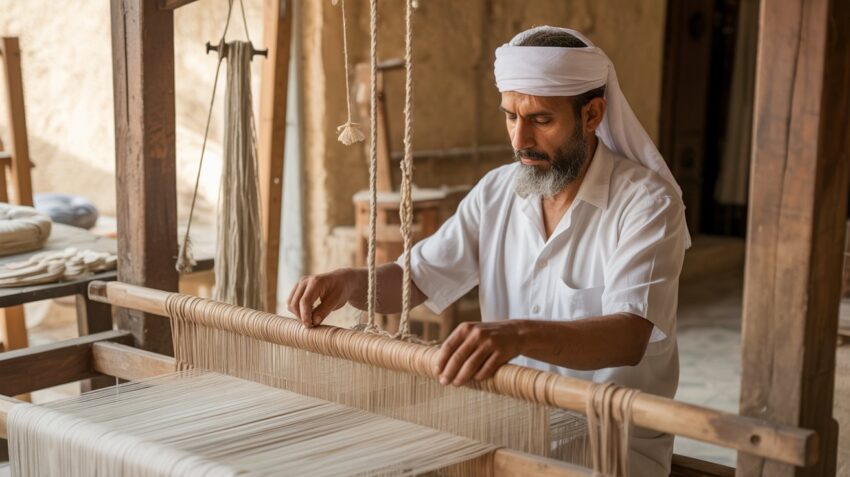
In the village of Bani Jamra, tradition is not preserved behind glass or recreated for performance—it is practiced daily on wooden looms, guided by hands that remember generations of skill. Known across Bahrain for its traditional handloom cloth weaving, Bani Jamra stands as one of the country’s most important centers of living craft heritage.
For travelers seeking authentic cultural tourism, Bani Jamra offers a rare experience: the chance to witness a centuries-old craft still shaping identity, livelihood, and community life. Here, fabric is more than material—it is memory, culture, and continuity woven together.
What Is Bani Jamra Weaving Village?
Bahrain’s Heartland of Handloom Weaving
Bani Jamra weaving village, Bahrain, is a traditional settlement renowned for producing handwoven textiles using age-old looms and techniques. For generations, weaving has been central to the village’s identity, with skills passed down through families and apprenticeships.
The village is particularly known for producing textiles used in traditional clothing, ceremonial garments, and decorative fabrics, making it a cornerstone of Bahrain’s textile heritage.
Why Bani Jamra Matters for Cultural Tourism
Living Craft, Not Recreated History
Unlike craft displays in museums, Bani Jamra offers travelers the opportunity to see weaving as a living occupation. The rhythmic movement of looms, the sound of wooden frames, and the focused concentration of weavers create an immersive cultural experience.
For tourism, this authenticity is powerful—visitors encounter heritage in its natural environment rather than in staged settings.
Where Is Bani Jamra Located?
A Village Rooted in Tradition
Bani Jamra is located in Bahrain’s northern region, an area historically associated with agriculture, crafts, and village life. Its proximity to urban areas makes it accessible while still retaining a strong sense of local identity.
The village layout—narrow streets, modest homes, and workshops—adds to the sense of stepping into a space shaped by tradition rather than tourism.
Who Are the Weavers of Bani Jamra?
Guardians of Textile Knowledge
The weavers of Bani Jamra are skilled artisans whose knowledge has been refined over decades. Many learned the craft from parents or elders, continuing family traditions that define the village’s reputation.
For travelers, meeting these weavers provides insight into the dedication required to sustain traditional crafts in a modern world.
When Did Weaving Begin in Bani Jamra?
A Craft Rooted in Centuries
Weaving in Bani Jamra dates back several centuries, developing as part of Bahrain’s broader domestic and economic life. Handwoven cloth was once essential for everyday clothing, ceremonial wear, and trade.
Although industrial textiles reduced demand over time, Bani Jamra maintained its weaving tradition, preserving techniques that might otherwise have disappeared.
How Traditional Weaving Works in Bani Jamra
Skill, Rhythm, and Precision
Weaving in Bani Jamra relies on manual handlooms, operated entirely by human skill rather than machinery. The process involves:
- Preparing threads and yarns
- Setting up the loom
- Repeating precise rhythmic movements
- Carefully maintaining tension and pattern
Each piece reflects hours of focused labor, making handwoven cloth a product of patience and mastery.
Materials and Patterns in Bani Jamra Weaving
Textiles with Cultural Meaning
Bani Jamra weavers traditionally use cotton and other natural fibers, creating fabrics known for durability and comfort. Patterns are often simple yet meaningful, reflecting regional aesthetics and functional needs.
For visitors, these patterns reveal how design choices were influenced by climate, lifestyle, and cultural values.
Bani Jamra as a Cultural Tourism Experience
Observing Craft in Its Natural Setting
Visitors to Bani Jamra can observe weavers working in small workshops or home-based spaces. The experience is quiet, respectful, and deeply immersive—ideal for travelers interested in slow, observational tourism.
Rather than performances, visitors witness genuine daily work, creating a stronger sense of connection.
Travel and Tourism Activities in Bani Jamra
Craft Observation and Learning
Watching the weaving process helps travelers understand the complexity behind seemingly simple textiles. Conversations with weavers often reveal stories of family history, economic change, and cultural pride.
Textile and Cultural Photography
The visual textures of looms, threads, and finished fabrics make Bani Jamra a compelling destination for photography focused on human skill and tradition.
Cultural Education Tourism
The village is frequently included in educational and heritage-focused itineraries, helping visitors understand Bahrain’s intangible cultural heritage.
Best Time to Visit Bani Jamra Weaving Village, Bahrain
Comfort and Interaction
Cooler months are ideal for visiting village environments and spending time observing artisans at work. Morning visits often allow for quieter interactions and better lighting.
Visitors should approach respectfully, understanding that weaving is a livelihood, not a performance.
Bani Jamra and Sustainable Cultural Tourism
Protecting Skills Through Awareness
Tourism plays a role in sustaining Bani Jamra’s weaving tradition by raising awareness and appreciation. Responsible visitation helps validate the value of handmade textiles in a globalized economy.
Supporting local crafts aligns tourism with cultural preservation rather than exploitation.
Why Bani Jamra Appeals to International Travelers
Rare Access to Intangible Heritage
Many international travelers seek experiences unavailable at home. Watching traditional handloom weaving—unchanged by automation—offers insight into human creativity and resilience.
This experience resonates especially with travelers interested in anthropology, design, and cultural continuity.
Practical Travel Tips for Visiting Bani Jamra
Respectful and Meaningful Visits
- Visit with a local guide if possible
- Ask permission before photography
- Observe quietly and respectfully
- Avoid interrupting artisans at work
Bani Jamra and Bahrain’s Cultural Identity
Weaving as a Symbol of Continuity
Weaving in Bani Jamra represents more than a craft—it symbolizes continuity, patience, and community identity. Preserving this tradition reinforces Bahrain’s commitment to protecting intangible heritage alongside physical monuments.
For travelers, this adds emotional and cultural depth to their journey.
Challenges Facing Traditional Weaving Villages
Craft in a Modern Economy
Like many traditional crafts, handloom weaving faces challenges from mass production and declining demand. Awareness through tourism helps highlight the cultural value of these skills.
Balanced tourism ensures appreciation without disrupting daily life.
The Future of Bani Jamra Weaving Village
Passing Threads to the Next Generation
Efforts to encourage younger generations to learn weaving are essential to the craft’s survival. Educational programs, cultural recognition, and responsible tourism all contribute to this goal.
Bani Jamra’s future depends on maintaining relevance while preserving authenticity.
A Village Woven Into Bahrain’s Soul
The Bani Jamra weaving village, Bahrain, offers one of the country’s most intimate cultural travel experiences. Here, heritage is not silent or static—it moves with every shuttle, every thread, and every practiced hand.
For travelers seeking meaningful encounters with living tradition, Bani Jamra provides something deeply human: a reminder that culture survives not through monuments alone, but through skills patiently passed from one generation to the next, woven into daily life.
The post Bani Jamra Weaving Village Bahrain: Discovering Traditional Handloom Craft and Living Textile Heritage appeared first on Travel and Tour World














































Comments and Responses
Please login. Only community members can comment.