













ASSISI TRAVEL GUIDE: Best Things to Do, Where to Stay, Food & Local Tips
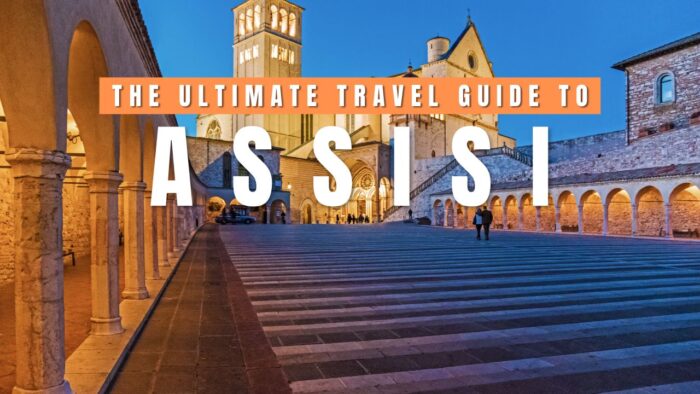
Assisi Travel Guide
-
Travel, Blogs, Wellness, Culinary, Nature & Wildlife, History & Art, Religion, Shopping, Trip together
-
-
39 mins
-
Out of Town Blog
-
Team Out of Town
-


An Insider’s Guide to the Medieval Hill Town That Whispers Stories of Saints, Art, and Slow Living Perched on the gentle slopes of Monte Subasio in Italy’s green heart of Umbria, Assisi feels like a living poem written in stone. Golden-hued medieval buildings cascade down the hillside, church bells echo through narrow cobblestone lanes, and […]
ASSISI TRAVEL GUIDE: Best Things to Do, Where to Stay, Food & Local Tips
An Insider’s Guide to the Medieval Hill Town That Whispers Stories of Saints, Art, and Slow Living
Perched on the gentle slopes of Monte Subasio in Italy’s green heart of Umbria, Assisi feels like a living poem written in stone. Golden-hued medieval buildings cascade down the hillside, church bells echo through narrow cobblestone lanes, and the scent of rosemary and freshly baked focaccia drifts from hidden trattorias. This is not a place that shouts for attention—it invites you to slow down, breathe deeply, and listen.
Assisi Travel Guide
Assisi is best known as the birthplace of St. Francis, one of the most beloved spiritual figures in history, and his presence is felt everywhere—from grand basilicas adorned with Giotto’s frescoes to tiny chapels tucked away in olive groves. But beyond its spiritual reputation, Assisi is a deeply human town: locals greet each other by name, elderly men play cards in sun-dappled squares, and artisans still shape ceramics using centuries-old techniques.
Whether you come seeking spiritual reflection, Renaissance art, sweeping Umbrian landscapes, or simply the pleasure of lingering over a long lunch with a view, Assisi has a way of meeting you where you are—and leaving you changed.
1. Destination Overview
Assisi is a small medieval hill town in the Umbria region of central Italy, best known as the birthplace of St. Francis, one of the most influential spiritual figures in Christian history. Founded in Roman times, Assisi later flourished during the Middle Ages, leaving behind well-preserved stone streets, fortified walls, and grand religious architecture. Its most famous landmark, the Basilica of St. Francis, is a UNESCO World Heritage Site and houses extraordinary frescoes by Giotto that helped shape Western art.
What makes Assisi especially popular is its rare blend of spiritual depth, artistic heritage, and peaceful atmosphere. Pilgrims come for reflection and prayer, art lovers for its masterpieces, and travelers for its timeless beauty and slow pace of life. Unlike larger Italian cities, Assisi feels intimate and contemplative, making it an ideal destination for those seeking culture, history, and quiet moments of connection.
Brief Introduction & Key Highlights
Assisi is a medieval hill town in the Umbria region of central Italy, about 175 km north of Rome and 150 km southeast of Florence. A UNESCO World Heritage Site, it’s famed for:
- The Basilica of St. Francis of Assisi
- Stunning medieval architecture
- Peaceful spiritual atmosphere
- Panoramic countryside views
- Authentic Umbrian cuisine
Unlike bustling Italian cities, Assisi retains a serene, village-like pace that makes it ideal for travelers seeking depth, history, and reflection.
Best Time to Visit
The best time to visit Assisi, Italy, is spring (April–June) and early autumn (September–October), when the weather is pleasant, crowds are manageable, and the countryside is at its most beautiful.
Spring (April–June) — Best Overall
- Mild temperatures (60–75°F / 16–24°C)
- Wildflowers and green landscapes
- Ideal for walking and sightseeing
- Fewer tourists than summer
- Major event: Calendimaggio Festival (May)
Summer (July–August) — Busiest Season
- Hot weather (up to 90°F / 32°C)
- Peak tourist and pilgrimage season
- Longer daylight hours
- Higher accommodation prices
- Can feel crowded and tiring due to the hills
Autumn (September–October) — Best for Food & Culture
- Comfortable temperatures
- Harvest season (truffles, wine, olives)
- Beautiful golden countryside
- Religious celebrations, including Feast of St. Francis (Oct 4)
Winter (November–February) — Quiet & Reflective
- Fewer tourists
- Cooler temperatures (40–55°F / 4–13°C)
- Peaceful atmosphere
- Christmas markets and nativity scenes
- Some attractions may have shorter hours
Quick Recommendation: For the best balance of weather, culture, and crowd levels, plan your visit for May, June, September, or early October.
Pro Tip #1: Visit in late May or late September for perfect weather and fewer tour groups.
Travel Difficulty & Recommended Duration
- Difficulty Level: Easy to moderate (lots of walking on cobblestones and hills)
- Recommended Stay: 2–3 days for highlights, 4–5 days for slow exploration
2. Essential Travel Information
Visa Requirements
For Filipinos:
- Filipinos require a Schengen Visa to enter Italy.
- Apply through the Italian Embassy or VFS Global.
- Requirements: passport (6 months validity), proof of funds, travel insurance (€30,000 coverage), itinerary, and hotel bookings.
For Other Nationalities:
- US, UK, EU, Canada, Australia: Visa-free for 90 days
- Check Schengen rules based on nationality
Currency & Budget Expectations
- Currency: Euro (€)
- Daily Budget (USD):
- Budget traveler: $50–70
- Mid-range: $90–150
- Luxury: $200+
Typical Costs:
- Cappuccino: $2–3
- Pizza or pasta: $10–15
- Mid-range meal: $18–25
- Basilica entry (museum areas): $5–10
- Taxi from Assisi station to the center: $10–15
Language Basics
- Primary Language: Italian
- Basic phrases:
- Hello – Ciao
- Thank you – Grazie
- Please – Per favore
- Excuse me – Scusi
- Do you speak English? – Parla inglese?
Pro Tip #2: A few Italian phrases go a long way—locals really appreciate the effort.
Getting There
Getting to Assisi is fairly straightforward, even though it’s a small hill town. Here’s how you can reach it depending on where you’re coming from:
By Air
The closest airport is Perugia San Francesco d’Assisi Airport (PEG), about 15 km away.
- From the airport: Take a taxi (approx. $30–40 USD) or a bus to Assisi
- Limited international flights; mostly regional connections
Most international travelers fly into Rome (Fiumicino – FCO) or Florence (FLR) and continue by train.
By Train (Most Common Option)
Assisi has its own train station: Assisi Station, located in the lower town (Santa Maria degli Angeli).
From Rome:
- Travel time: 2–2.5 hours
- Route: Rome Termini to Assisi
- Cost: $15–35 USD depending on train type
From Florence:
- Travel time: 2.5–3 hours
- Route: Florence -> Terontola -> Assisi
- Cost: $20–40 USD
Once you arrive at Assisi Station, you’ll need to go uphill to the historic center.
From Assisi Train Station to Historic Center
The old town is on a hill about 4 km away.
Options:
- Local bus: $2–3 USD (runs frequently)
- Taxi: $10–15 USD
- Hotel shuttle: Some hotels offer pickup
By Car
Driving is scenic but not always convenient.
- From Rome: ~2.5 hours
- From Florence: ~2.5 hours
Important:
- The historic center has ZTL zones (limited traffic areas)
- Parking is outside the old town
- Expect uphill walks
Getting Around Once You’re There
- The historic center is best explored on foot
- Expect cobblestones, stairs, and steep streets
- Wear comfortable walking shoes
Pro Tip
If you’re carrying luggage, take a taxi or bus from the station—walking uphill with bags can be exhausting.
3. Top Attractions & Experiences
Must-See Landmarks

Basilica of St. Francis of Assisi
Basilica of St. Francis of Assisi
The Basilica of St. Francis of Assisi is the town’s most important landmark and a UNESCO World Heritage Site. Built in the 13th century, it consists of two stacked churches—an Upper and Lower Basilica—decorated with extraordinary frescoes by Giotto and other masters. The complex also houses the tomb of St. Francis, making it a major pilgrimage site and a powerful blend of art, history, and spirituality.

Basilica of Santa Chiara
Basilica of Santa Chiara
The Basilica of Santa Chiara is a striking Gothic church dedicated to St. Clare, the founder of the Poor Clares and a close follower of St. Francis. Built in the 13th century, it features a distinctive pink-and-white striped stone façade and a large rose window. Inside, the atmosphere is calm and austere, reflecting Franciscan simplicity. The crypt holds St. Clare’s tomb, making it an important pilgrimage site.

Rocca Maggiore
Rocca Maggiore
Rocca Maggiore is a commanding medieval fortress that crowns the highest hill above Assisi, offering sweeping views across the Umbrian valley and Monte Subasio. Built in the 14th century and later restored, it features massive stone walls, watchtowers, and an inner courtyard that reveal the town’s strategic past. Visitors can walk along the ramparts, explore small exhibits, and climb the main tower for unforgettable panoramic views, especially at sunset on clear days, with far-reaching countryside views for photographers, hikers, and dreamers alike.

Cathedral of San Rufino
Cathedral of San Rufino
The Cathedral of San Rufino is a Romanesque church dedicated to Assisi’s patron saint and stands as one of the town’s most important religious sites. Built in the 12th century, it features a striking stone façade with three rose windows and detailed carvings. Inside, the atmosphere is calm and elegant, with a simple nave, frescoed chapels, and the baptismal font where St. Francis and St. Clare were baptized.

Piazza del Comune in Assisi
Piazza del Comune
Piazza del Comune is the vibrant heart of Assisi, where ancient history and daily life blend seamlessly. Once the Roman forum, the square is anchored by the Temple of Minerva, now a church, with its striking classical columns. Surrounded by medieval buildings, cafés, and small shops, it’s a popular place to relax, people-watch, and enjoy the town’s atmosphere. By day, it feels lively; by evening, calm and atmospheric.
Hidden Gems

Bosco di San Francesco by Superchilum via Wikimedia Commons
Bosco di San Francesco
The Bosco di San Francesco is a peaceful nature reserve just below Assisi’s historic center, offering a quiet escape into olive groves, woodlands, and open meadows. Managed by the FAI (Italian National Trust), this protected area features walking trails, medieval ruins, and small chapels that reflect the simplicity and spiritual values of St. Francis. It’s ideal for slow walks, reflection, and enjoying Umbrian landscapes away from crowds.

San Damiano Monastery
San Damiano Monastery
San Damiano Monastery is a peaceful stone complex just outside Assisi, best known as the place where St. Francis is said to have heard Christ speak from a crucifix, calling him to rebuild the Church. Later, it became home to St. Clare and the Poor Clares. Surrounded by olive trees and simple gardens, the monastery reflects Franciscan values of humility, silence, and contemplation, making it one of Assisi’s most spiritually resonant sites.

Oratorio dei Pellegrini
Oratorio dei Pellegrini
The Oratorio dei Pellegrini in Assisi is a small 15th-century chapel originally built to serve pilgrims visiting the nearby hospice and Basilica of St. Francis. Positioned along Via San Francesco between Piazza del Comune and the basilica, it was commissioned by a confraternity to give travelers a place for prayer and worship. Inside are exquisite Renaissance frescoes by Umbrian artists such as Matteo da Gualdo and Pierantonio Mezzastris, depicting sacred scenes and saints, creating a quiet, spiritually rich stop often overlooked by visitors.

Narrow Streets in Assisi
Via Portica
Via Portica is one of Assisi’s most atmospheric streets, known for its quiet charm and authentic local character. Lined with stone arches, artisan workshops, and small family-run shops, it feels far removed from the busier tourist routes. The narrow passageway reveals glimpses of medieval architecture, hidden courtyards, and handcrafted ceramics. Walking along Via Portica offers a slower, more intimate look at daily life in Assisi, making it ideal for travelers seeking a peaceful, traditional experience.

Eremo delle Carceri
Eremo delle Carceri
Eremo delle Carceri is a peaceful hermitage nestled in the forests of Monte Subasio, just outside Assisi. Once a retreat for St. Francis and his followers, it was a place for prayer, solitude, and meditation. Built into natural rock formations, the simple stone structures blend seamlessly with the surrounding woods. Today, visitors come for quiet reflection, scenic walking paths, and a sense of spiritual stillness rarely found in more crowded parts of town.
Pro Tip #3: Visit Eremo delle Carceri early morning for total silence and misty views.
Unique Experiences
- Silent morning walk through medieval alleys
- Gregorian chant evenings
- Truffle hunting tours
- Olive oil tastings
- Pottery workshops
Photography Hotspots
- Rocca Maggiore viewpoint
- Via San Francesco at golden hour
- Piazza Inferiore
- San Damiano gardens
- Basilica upper terrace
4. Accommodation Recommendations
Budget ($50–100/night)

Hotel La Terrazza
Hotel La Terrazza
Hotel La Terrazza in Assisi is a welcoming 3-star hotel just under a kilometer from the historic center, set amid olive trees with sweeping views of the Umbrian countryside. Guests enjoy clean, comfortable rooms with air conditioning, free Wi-Fi, minibar, and modern bathrooms, many with balconies overlooking the valley.
The property features a relaxing outdoor pool and garden, a spa and wellness center with sauna and Turkish bath, and an on-site restaurant serving Italian and Umbrian cuisine. Free breakfast and parking are included, and the friendly staff are noted for helpful, attentive service. Its quiet location makes it a great base for exploring Assisi on foot or by local bus.
Mid-Range ($100–250/night)

Hotel Ideale in Assisi
Hotel Ideale
Hotel Ideale is a charming, family-run boutique hotel nestled within the historic center of Assisi, just steps from its iconic churches and cobblestone streets. Housed in a renovated historic building, its rooms blend traditional Italian character with modern comforts—think warm tones, wood floors, plush bedding, and thoughtful touches like free Wi-Fi.
Mornings begin with a generous continental breakfast served in a cozy dining area or on the terrace overlooking the town. Its location makes exploring Assisi’s landmarks, cafés, and artisan shops easy on foot, while the attentive staff provides insider tips that elevate every stay. Ideal for couples, culture lovers, and those seeking authentic Umbrian hospitality.

Giotto Hotel and Spa in Assisi
Giotto Hotel & Spa
Giotto Hotel & Spa is a polished mid-range retreat perched above the valley with sweeping views of Assisi’s countryside. Spacious, contemporary rooms blend modern comfort with classic Italian style, many offering balconies or terraces. Guests especially enjoy the well-appointed spa, complete with sauna, Turkish bath, relaxation areas, and professional treatments—ideal after a day of exploring hilltop streets.
The on-site restaurant serves refined Umbrian cuisine with local ingredients, and the breakfast buffet is generous. Attentive service, a peaceful garden terrace, and convenient access to both the historic center and transport links make Giotto a balanced choice for comfort and relaxation.
Luxury ($250+/night)

Nun Assisi Relais & Spa Museum
Nun Assisi Relais & Spa Museum
Nun Assisi Relais & Spa Museum is a luxurious boutique hotel set within a beautifully restored 13th-century monastery in the heart of Assisi. Blending modern design with ancient history, the property incorporates Roman ruins, medieval stone walls, and vaulted ceilings into its elegant interiors.
Guests can relax in a serene spa built over archaeological remains, enjoy refined Umbrian cuisine at the on-site restaurant, and experience exceptional personalized service. Its peaceful atmosphere, sophisticated comfort, and unique historical setting make it one of Assisi’s most exclusive and memorable places to stay.

Palazzo Minciotti Assisi, Italy
Palazzo Minciotti
Palazzo Minciotti in Assisi is an elegant boutique hotel set within a historic 14th-century palace, blending medieval charm with refined modern comfort. Located just steps from the Basilica of St. Francis and Piazza del Comune, the hotel offers beautifully restored rooms with frescoed ceilings, antique furnishings, and panoramic views over the Umbrian valley.
Guests enjoy attentive service, a tranquil atmosphere, and easy access to the town’s best sites, cafés, and artisan shops. The on-site lounge and breakfast areas reflect the building’s heritage while providing contemporary comforts. Ideal for travelers seeking authentic character, central location, and personalized hospitality.
Alternative Stays
- Hostels: Ostello della Pace
- Agriturismo: Countryside farm stays
- Airbnb: Local apartments
Pro Tip #4: Book inside the historic center to avoid uphill climbs.
5. Food & Dining Guide
Must-Try Dishes

Umbricelli al Tartufo
Umbricelli al Tartufo
Umbricelli al Tartufo is a signature Umbrian dish of thick, hand-rolled pasta coated in a rich, earthy black truffle sauce. It tastes indulgently savory, with a deep, woodsy aroma, creamy texture, and subtle garlic and cheese notes that let the truffle shine. In Assisi, you can savor it at trattorias like La Lanterna (truffle specials) or Trattoria Pallotta, where local chefs pair it with regional wines for a truly authentic Umbrian experience. Perfect for pasta and truffle lovers.

Porchetta
Porchetta
Porchetta in Assisi is a traditional Italian roast pork seasoned with garlic, rosemary, fennel, and other herbs, slow-cooked until the meat is juicy and the skin perfectly crispy. Rich, savory, and aromatic with herbal notes, it’s a favorite street food and sandwich filling throughout Umbria. You’ll find excellent porchetta at local delis and market stalls in Piazza del Comune, at Antica Norcineria Viola, or as a hearty panino from street vendors near the basilicas for a satisfying on-the-go bite.

Torta al Testo by Tostistefano via Wikimedia Commons
Torta al Testo
Torta al Testo is a traditional Umbrian flatbread, slightly crisp on the outside and soft inside, with a warm, rustic flavor that’s subtly salty and comforting. It’s often split and filled with local ingredients like prosciutto, local cheeses, or sautéed greens, making it hearty and delicious. In Assisi, you can find it at bakeries and eateries such as Osteria Piazzetta dell’Erba and Piadina del Chiostro, or from street vendors near Piazza del Comune—perfect for a quick, authentic snack.

Strangozzi
Strangozzi
Strangozzi is a traditional Umbrian pasta commonly served in Assisi. Long, thick strands, similar to spaghetti but with a chewier, more rustic texture, that beautifully absorb rich sauces. Typical preparations include wild boar ragu with earthy, savory flavors or truffle and olive oil, offering aromatic, woodsy notes. Strangozzi tastes hearty and satisfying, and pairs well with regional red wine. You can enjoy it at local favorites like Trattoria Pallotta or La Lanterna, where it’s a menu highlight.

Rocciata Di Foligno
Rocciata
Rocciata is a traditional Umbrian dessert popular in Assisi, made from thin layers of pastry rolled with apples, walnuts, cinnamon, and a touch of sugar, then baked until golden. It’s warm, fragrant, and comforting—sweet but not overly so, with tender fruit and nutty spice balanced by a lightly crisp crust. Enjoy it with a dollop of gelato or a dusting of powdered sugar. You can find rocciatina at local cafés and bakeries in the town center, such as Caffè Montanucci or Pasticceria il Magnifico.
Restaurant Recommendations
Budget:
- Pizzeria I Monaci – Wood-fired pizzas, casual
- Bibenda Assisi – Great wine bar and small plates
Mid-Range:
- Trattoria Pallotta – Historic, traditional Umbrian dishes
- La Lanterna – Romantic, truffle-based menu
Fine Dining:
- Ristorante Il Vicoletto – Elegant Umbrian tasting menus
- Nun Ristorante – Michelin-quality cuisine
Street Food Safety
Assisi is safe—stick to busy vendors and freshly cooked food.
Dietary Restrictions
Vegetarian and gluten-free options are widely available.
6. Local Culture & Etiquette
Assisi is not just a historic town—it is a living spiritual center, deeply shaped by the values of humility, simplicity, and respect taught by St. Francis and St. Clare. Understanding local customs will help you connect more meaningfully with both residents and fellow travelers.
Cultural Values to Understand
- Spirituality is central: Many locals and visitors come for religious reasons. Even if you are not religious, respectful behavior is expected.
- Slow living (La Dolce Vita): Meals are unhurried, conversations matter, and rushing is frowned upon.
- Community-oriented: People greet each other, chat with shop owners, and value personal connections.
- Pride in heritage: Locals are deeply proud of their medieval history, traditions, and cuisine.
Dress Code: What’s Appropriate
Assisi is more conservative than major Italian cities due to its religious significance.
Inside churches and holy sites:
- Shoulders must be covered
- Shorts/skirts should be knee-length
- Avoid low-cut or revealing clothing
- Hats should be removed indoors
Pro Tip: Carry a light scarf or shawl in your bag—it’s an easy fix for spontaneous church visits.
Behavior in Religious Sites
Many of Assisi’s main attractions are active places of worship, not just tourist sites.
Do:
- Speak softly
- Walk slowly and respectfully
- Turn phones to silent mode
- Sit quietly if services are ongoing
Don’t:
- Talk loudly
- Take selfies during prayer
- Use flash photography
- Walk in front of people praying
Greeting & Social Etiquette
Italians are warm, polite, and expressive.
- A simple “Buongiorno” (Good morning) or “Buonasera” (Good evening) goes a long way
- Say “Grazie” (Thank you) often
- Eye contact and smiles matter
- Handshakes are common in formal situations
- Among friends, cheek kisses are common—but tourists should not initiate
Pro Tip: Always greet shopkeepers when entering and leaving a store—it’s considered basic courtesy.
Dining Etiquette
Meals in Assisi are social and relaxed.
- Don’t rush—dining is meant to be enjoyed
- Wait to be seated at restaurants
- Bread is not usually served with butter
- Cappuccino is typically a morning drink—ordering it after meals may mark you as a tourist
- Don’t ask for heavy menu substitutions
Tipping:
- Not mandatory
- Rounding up the bill or leaving 5–10% is appreciated
- Check for “coperto” (table charge) on your bill
Respect for Silence & Space
Silence is valued here, especially in sacred spaces.
- Avoid loud phone conversations
- Use headphones at low volume
- Keep voices low in alleys and churches
- Avoid disruptive behavior at viewpoints
Photography Etiquette
Assisi is incredibly photogenic—but respect comes first.
- Some churches prohibit photos—always check signs
- Never photograph people praying
- Avoid blocking walkways for long photo sessions
- Ask permission before photographing locals
Festivals & Local Events
If you visit during festivals, expect more crowds—but also deeper cultural immersion.
Major Events:
- Calendimaggio (May): Medieval reenactments, parades, music
- Feast of St. Francis (Oct 4): Religious processions and ceremonies
- Christmas Season: Markets, nativity scenes, midnight mass
During these times, dress modestly and expect a large number of pilgrims.
Responsible & Respectful Travel
Assisi promotes simplicity, sustainability, and mindfulness.
- Use refillable water bottles
- Support local artisans
- Avoid loud nightlife behavior
- Respect nature trails and sacred forests
- Don’t litter—even small items matter here
Pro Tip: Locals deeply appreciate visitors who treat Assisi as a place of meaning, not just a backdrop for photos.
7. Practical Tips & Safety
Health & Safety
- Very safe town
- Emergency: 112
- Pharmacies well-stocked
What to Pack
- Comfortable walking shoes
- Light scarf (for churches)
- Sun hat
- Refillable water bottle
What to Wear
- Smart casual
- Modest attire in religious areas
Money-Saving Tips
- Free church areas
- Picnic with local bread & cheese
- Walk everywhere
Pro Tip #5: Fill your bottle at public fountains—clean and free.
8. Souvenir Shopping
Popular Souvenirs
- Hand-painted ceramics
- Olive oil
- Truffle products
- Rosaries
- Linen textiles
Best Places
- Via San Francesco
- Bottega Artigiana
- Ceramiche d’Arte
Markets
- Weekly local markets on Saturdays
9. Suggested Itineraries
3-Day Express
Day 1: Basilica of St. Francis, Piazza del Comune
Day 2: Rocca Maggiore, Santa Chiara, wine tasting
Day 3: San Damiano, Bosco di San Francesco
Off-the-Beaten-Path
- Olive grove hikes
- Monte Subasio trails
- Local cooking classes
- Monastery stays
Final Closing
Assisi is not just a place to see—it is a place to experience quietly, thoughtfully, and with intention. Rooted in the life and teachings of St. Francis, the town invites visitors to slow down, simplify, and reconnect with what truly matters. Whether you come for faith, personal reflection, or curiosity about its spiritual heritage, Assisi offers space for stillness, prayer, and contemplation in a way few destinations can.
Beyond its basilicas and monasteries, the real gift of Assisi lies in its atmosphere: unhurried mornings, quiet chapels, forest paths, and conversations that feel unforced and sincere. Many travelers arrive expecting a history lesson and leave with a deeper sense of calm, clarity, or renewed purpose.
As you explore Assisi, allow yourself moments of silence, walk without rushing, and step away from your phone. This is a town that rewards presence. If you let it, Assisi can become not just a stop on your itinerary—but a meaningful pause in your journey.
Follow and subscribe to OutofTownBlog.com on Facebook , Twitter, Instagram, Pinterest, and YouTube for more Travel-related updates.
Read: EUROPE VISITA IGLESIA #1: St. Francis of Assisi Basilica in Assisi, Italy
ASSISI TRAVEL GUIDE: Best Things to Do, Where to Stay, Food & Local Tips
The post ASSISI TRAVEL GUIDE: Best Things to Do, Where to Stay, Food & Local Tips appeared first on Out of Town Blog
Comments and Responses
Please login. Only community members can comment.