























































Arevatsag Canyon – Deep Canyon with Dramatic Overlooks Near Odzun
-
Blogs, Children, Nature & Wildlife, History & Art, Travel
-
-
6 mins
-
Travel and Tour World
-
Akash Bagchi
-


Discover Arevatsag Canyon near Odzun, a dramatic natural gorge in Armenia’s Lori Province. Learn how to reach the canyon, its geological history, best visiting seasons, and who it’s ideal for in this detailed travel guide.
A Breathtaking Natural Landform Hidden in the Armenian Highlands
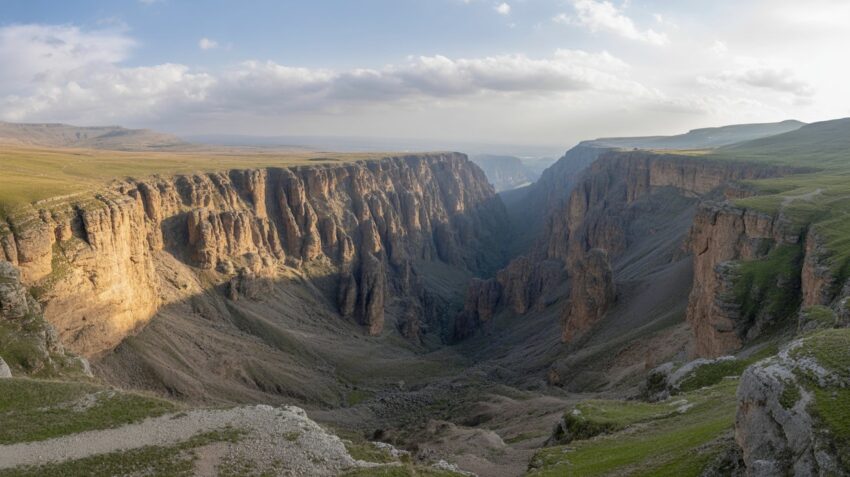
Carved over millennia by powerful rivers and shifting geological forces, Arevatsag Canyon stands among the most dramatic natural landscapes in northern Armenia. Located near the historic village of Odzun in Lori Province, the canyon stretches through deep valleys, vertical rock faces, and sweeping viewpoints that reveal the rugged beauty of the Debed River basin. Despite its visual grandeur, Arevatsag remains largely unknown to international travelers, giving visitors the rare opportunity to experience one of Armenia’s most impressive canyons without crowds or commercial development.
With its blend of deep geological formations, panoramic overlooks, and serene natural surroundings, the canyon offers a compelling destination for hikers, photographers, nature enthusiasts, and travelers exploring Armenia’s quieter landscapes. Its proximity to Odzun, Haghpat, and the Debed Canyon region makes it an ideal stop on a cultural and adventure-focused itinerary through the north.
History and Geographic Setting of Arevatsag Canyon
Geological Origins
Arevatsag Canyon owes its dramatic depth and complex contours to the powerful erosive action of the Debed River, one of northern Armenia’s most significant waterways. Over millions of years, the river carved its way through layers of volcanic rock, basaltic formations, and sedimentary stone, creating:
- Sheer cliffs
- Layered rock walls
- A winding canyon floor
- High plateaus overlooking the river valley
Today, the result is a narrow, steep-sided gorge that reveals Armenia’s ancient geological history. The canyon’s complex structure—formed through volcanic activity followed by water-driven erosion—makes it an important feature for geologists studying the region.
Connection to the Odzun Region
The canyon lies just below the village of Odzun, a historic settlement known for its basilica, rural traditions, and hilltop views. The position of the canyon beneath Odzun’s plateau creates an impressive visual contrast:
- Rolling pastoral fields above
- Dramatic chasms and cliffs below
Walking from the village toward the canyon edge allows visitors to fully appreciate the sudden drop and depth of the landscape.
Natural Characteristics of the Canyon
The canyon is defined by:
- Deep vertical walls that descend sharply toward the Debed River
- Rocky outcrops are ideal for panoramic viewpoints
- Sparse forests and shrubs growing on the slopes
- Highland meadows along the canyon rim
- Seasonal variations, with spring greenery and autumn golds
This combination of elevation, vegetation, and geologic formations makes Arevatsag one of the most visually striking natural features in the Lori region.
Historical Context and Local Significance
While the canyon itself has no major built structures, it has long influenced local life:
- Ancient footpaths once connected villages along the rim
- Shepherds used the upper slopes for grazing
- The canyon played a natural defensive role for Odzun
- Its riverside areas supported early agricultural communities
The canyon’s strategic visibility also allowed historic settlements to monitor incoming travelers or threats.
Importance of Arevatsag Canyon in Global Tourism
An Uncrowded Alternative to Major Natural Attractions
While Armenia has many famous sites—Tatev Gorge, Garni Canyon, and Dilijan National Park—Arevatsag remains a quieter, lesser-known option for travelers seeking dramatic landscapes without commercial infrastructure. This positions it as a valuable destination for:
- Nature tourism
- Eco-tourism
- Adventure travel
- Cultural itineraries in Lori
Global travelers increasingly seek more authentic, peaceful experiences, and Arevatsag meets this demand perfectly.
Opportunity for Geotourism
The canyon’s geological layers, basalt formations, and erosional patterns make it ideal for geotourism—a growing global travel trend. Visitors interested in Earth science can:
- Learn how volcanic landscapes form
- Observe stratified rock layers
- Understand the natural processes shaping northern Armenia
Its accessibility from Odzun adds to its appeal for educational travel.
Enhancing Northern Armenia’s Tourism Profile
Lori Province is known for its UNESCO monasteries (Haghpat and Sanahin), forests, and canyon landscapes. Arevatsag Canyon complements these attractions by offering:
- A natural viewpoint
- A photography destination
- A hiking area
- A peaceful escape
As interest in Armenia continues to grow globally, Arevatsag contributes to a diversified tourism experience beyond major cultural sites.
How to Reach Arevatsag Canyon
Reaching Odzun
The starting point for visiting the canyon is Odzun village, which can be accessed from:
- Vanadzor (approximately 40 km)
- Alaverdi (15–20 km)
- Yerevan (approximately 2.5–3 hours by car)
Transportation options include:
- Rental cars
- Intercity minibuses to the Debed region
- Taxis from Vanadzor or Alaverdi
Approaching the Canyon Viewpoints
Once in Odzun, reaching the canyon is straightforward:
Walking Route
- From the village center, walk toward the southern edge
- Follow footpaths leading to natural lookout points
- Explore several trails that run along the canyon rim
These routes are gentle and require only basic fitness.
Driving Route
Several local roads bring you closer to the canyon overlooks, where short paths branch off to viewpoints. Parking is informal but easy.
Trail Difficulty
The area is moderately easy to explore:
- Mostly flat or gently sloping paths
- Dry soil and grassy terrain
- Occasional rocky sections at viewpoints
The canyon floor is accessible only by steeper, more challenging trails, recommended for experienced hikers or guided groups.
Nearby Attractions
Arevatsag Canyon fits naturally into a northern Armenia itinerary, together with:
- Odzun Basilica
- Haghpat Monastery (UNESCO)
- Sanahin Monastery (UNESCO)
- Kobayr Monastery ruins
- Debed Canyon villages
This combination of cultural and natural sites enriches the overall travel experience.
Who Can Visit Arevatsag Canyon?
Ideal for Nature Enthusiasts
The canyon offers spectacular settings for:
- Hikers
- Landscape photographers
- Birdwatchers
- Outdoor explorers
Its viewpoints provide dramatic panoramas without requiring difficult trekking.
Cultural and Casual Travelers
Visitors staying in the Debed Canyon area for cultural sightseeing will enjoy adding a natural viewpoint to their itinerary.
Families and Groups
Because of the easy access to the canyon rim, families with children and mixed-age groups can visit comfortably, as long as proper caution is taken near drop-offs.
Photography and Creative Travelers
The canyon’s lighting, textures, and sweeping depth create ideal conditions for:
- Sunrise and sunset photography
- Drone photography
- Nature sketching and painting
Solo Travelers
The quiet environment and accessible paths make Arevatsag a calming destination for independent travelers seeking reflection and natural beauty.
Best Time to Visit Arevatsag Canyon
Spring (April–June)
- Lush green slopes
- Clear air after rainfall
- Comfortable temperatures
- Ideal for hiking and long viewpoints
Summer (July–September)
- Warm, dry weather
- Excellent visibility
- Perfect for combining with monasteries and cultural sites
Autumn (September–November)
- Brilliant fall colors
- Soft sunlight is ideal for photography
- Cool, crisp conditions
Winter (December–March)
- Cold temperatures
- Possibility of snow
- Trails remain accessible around the rim with caution
Overall best seasons: May–June and September–October.
Conclusion
Arevatsag Canyon is one of northern Armenia’s most impressive natural landscapes, offering travelers dramatic geology, panoramic viewpoints, and peaceful surroundings near the historic village of Odzun. Its deep cliffs, winding river valley, and highland scenery create a setting that is both visually powerful and emotionally calming. Whether visitors come for photography, nature walks, cultural exploration, or simple appreciation of Armenia’s rugged beauty, the canyon delivers an unforgettable experience.
As global tourism shifts toward authentic and uncrowded destinations, Arevatsag stands out as a site where natural wonder remains completely untouched. With its easy access from Odzun and integration into wider Lori itineraries, it is a must-see for travelers seeking both adventure and tranquility in the Armenian highlands.
The post Arevatsag Canyon – Deep Canyon with Dramatic Overlooks Near Odzun appeared first on Travel and Tour World














































Comments and Responses
Please login. Only community members can comment.