






















































Amsterdam, Rotterdam, Barcelona, and Santorini: How New Cruise Restrictions Are Shaping European Tourism for the Future
-
History & Art, Travel, Blogs
-
-
3 mins
-
Travel and Tour World
-
Ankita Neogi Khan
-


Amsterdam considers banning ocean cruise ships by 2035 to combat pollution and overtourism. The city plans a greener future for travelers and locals alike.
Amsterdam, the city known for its picturesque canals, vibrant culture, and historic charm, is considering a drastic move that could change the way travelers explore this iconic European destination. By 2035, Amsterdam could become the first major European city to impose a full ban on ocean-going cruise ships. This proposed measure, which aims to combat pollution and overcrowding, has sparked intense discussions within the local government and is set to reshape the future of cruise tourism in the Netherlands’ capital.
The Growing Threat of Overtourism and Environmental Damage
The proposal comes after months of deliberation on how to tackle Amsterdam’s overtourism crisis and its escalating environmental concerns. The city has already taken steps to address these issues, such as reducing cruise ship visits by half starting in 2026 and planning to relocate the city’s main cruise terminal. However, the new proposal goes a step further by targeting the complete phase-out of seagoing vessels within the next decade.
Environmental activists and city leaders argue that this bold move would offer the most significant environmental benefits. Ocean cruise ships are notorious for their high emissions, contributing to air pollution and climate change. The city has also faced growing concerns over overcrowding in the historic city center, with cruise passengers often contributing to the congestion.
Despite the financial and tourism challenges this ban could bring, supporters of the initiative believe that Amsterdam’s sustainability and its citizens’ quality of life should take precedence over short-term profits.
Financial Considerations and Economic Impact
The potential ban could cost Amsterdam’s economy approximately €46 million over the next 30 years. This is far less than the €85 million it would take to relocate the cruise terminal, a project that many argue would not yield sufficient returns. Instead, the city plans to reinvest these funds into redeveloping key areas such as the Veemkade waterfront district, which is already known for dining and housing.
The government also envisions repurposing parts of the Coenhaven harbor area to enhance local tourism and create new public spaces. While the financial loss might be felt in the short term, the long-term benefits could be substantial, not only in terms of sustainability but also by fostering more diverse tourism and supporting local businesses in new areas.
River Cruises Still Welcome, But with Stricter Controls
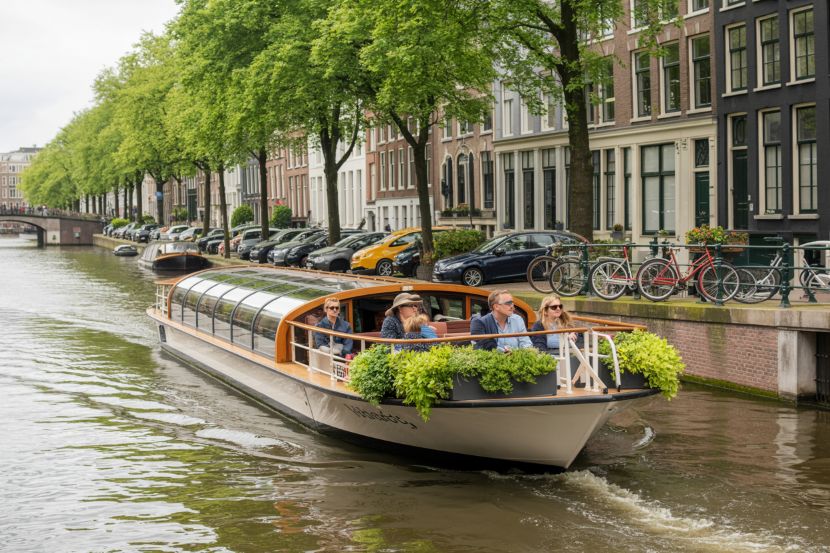
While ocean cruise ships may be banned, river cruises will continue to operate in Amsterdam, albeit with stricter regulations. The city has capped river cruise visits at 1,150 per year, a figure that’s half of what it has been in recent years. This means that smaller, more eco-friendly cruise vessels could still bring visitors to the city without overwhelming its infrastructure.
This move aligns with broader trends seen across Europe, where cities like Barcelona, Santorini, and Nice have introduced restrictions on the number and size of cruise ships allowed to dock. However, Amsterdam’s plan is the most radical and could set a precedent for other cities to follow.
The Challenges and What It Means for Travelers
For tourists, the impact of this proposed ban may not be immediately felt. With the final decision on the ban not expected until after local elections in March 2026, most cruise itineraries for the coming years will remain unaffected. Cruise companies may reroute their ships to nearby ports such as Rotterdam, just 45 miles from Amsterdam. This city, already recognized as Europe’s largest seaport, could become a key alternative for ocean-going cruise vessels, offering many of the same popular shore excursions that are currently linked to Amsterdam.
While this might be disappointing for some cruise enthusiasts, travelers will still have opportunities to visit Amsterdam’s vibrant cultural scene and historic landmarks. Those seeking a more eco-conscious way to explore the city will benefit from the stricter controls on river cruises, which promise a more sustainable and serene experience.
A New Future for Amsterdam’s Tourism
In the long run, Amsterdam’s bold stance could inspire other cities to rethink how they approach cruise tourism. The city aims to protect its heritage, improve air quality, and limit the strain placed on its infrastructure. For travelers, this could signal the rise of new and exciting ways to explore Amsterdam and the surrounding region in a more sustainable manner.
Tourism Tip for Future Travelers: If you’re planning to visit Amsterdam after 2035, consider exploring the city through alternative means like bike tours, guided walking tours, or even smaller eco-friendly river cruises. These experiences will not only reduce your carbon footprint but also offer a more intimate glimpse into the city’s culture and history.
Amsterdam’s Green Future: A Shift Toward Sustainability
The proposal to ban ocean cruise ships in Amsterdam could be a game-changer for the city’s tourism industry, marking the beginning of a more sustainable and balanced approach to tourism. With an eye on the environment and the wellbeing of residents, Amsterdam is paving the way for a future that prioritizes sustainability over unchecked growth.
For travelers, this represents an opportunity to engage with the city in a more meaningful way, exploring its neighborhoods, museums, and canals without the pressure of massive crowds. Amsterdam’s commitment to sustainability will undoubtedly make it a more desirable destination for eco-conscious tourists in the years to come.
The post Amsterdam, Rotterdam, Barcelona, and Santorini: How New Cruise Restrictions Are Shaping European Tourism for the Future appeared first on Travel and Tour World














































Comments and Responses
Please login. Only community members can comment.