





















































Al Jalali Fort Revitalization: Muscat’s Iconic Maritime Landmark Sets a New Standard for Omani Heritage Tourism and Private Sector Innovation
-
History & Art, Travel
-
-
3 mins
-
Travel and Tour World
-
Poulomi Sinha
-


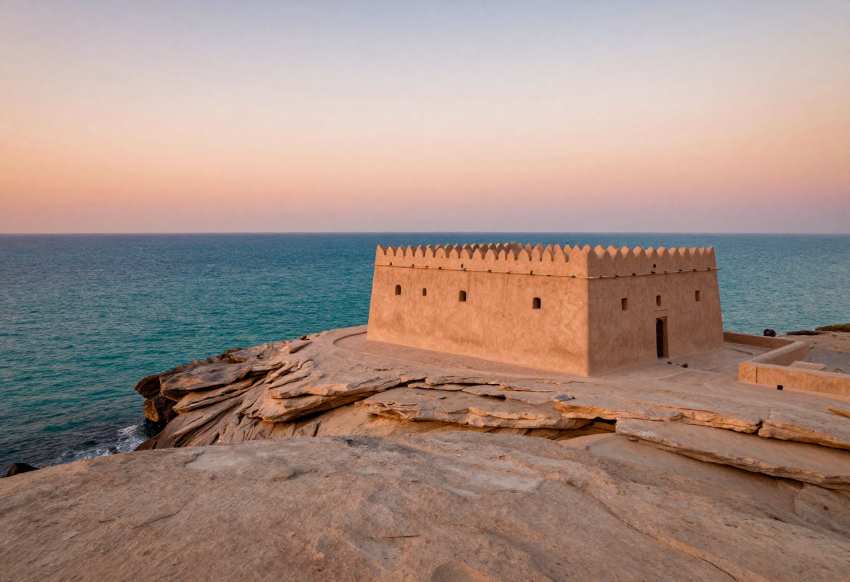
Al Jalali Fort in Muscat enters a new era of private management, transforming Oman’s maritime history into a premier heritage tourism destination.
The architectural landscape of Muscat is being redefined as a new chapter begins for one of its most storied sentinels. In a strategic move to blend antiquity with modern hospitality, a significant contract has been finalized by the Ministry of Heritage and Tourism with a specialized Omani firm. This partnership is designed to oversee the comprehensive management and daily operations of Al Jalali Fort. By fostering such public-private collaborations, a renewed emphasis is being placed on the preservation and commercial revitalization of the Sultanate’s vast heritage inventory.
A Strategic Vision for Heritage Management
The economic and cultural potential of Oman’s historic landmarks is being maximized through this agreement. By positioning these ancient structures as primary engines for sustainable growth, the Sultanate is ensuring that history serves the future. Al Jalali Fort, which stands as a silent witness to centuries of maritime prowess, is considered one of the most significant monuments in the capital. Its historical depth is being highlighted not just as a relic of the past but as a living bridge to Oman’s seafaring legacy.
Under this freshly minted management model, enhanced operational developments are expected to be implemented. These upgrades are intended to amplify the fort’s status as a premier global tourism destination. It is anticipated that a diverse demographic of international travellers and local enthusiasts will be drawn to the site. Furthermore, the involvement of the private sector is being bolstered to ensure that international best practices in site preservation and visitor experience are strictly maintained.
Cultural Enrichment and Economic Integration
Beyond the mere maintenance of stone and mortar, the project is envisioned as a catalyst for a vibrant cultural ecosystem. A wide array of investment opportunities within the tourism and cultural sectors is expected to be generated. The organization of high-profile events, curated historical exhibitions, and live showcases of traditional Omani crafts are being planned to breathe life into the fort’s ramparts. By supporting these creative industries, a unique layer of value is being added to the visitor journey, moving beyond passive sightseeing into active cultural immersion.
The local community is also set to benefit significantly from this initiative. Direct and indirect employment opportunities are being created, ranging from specialized curatorial roles to hospitality and maintenance positions. These social development goals are being pursued to ensure that the prosperity generated by the landmark is shared with the people living in its shadow. As the site’s facilities undergo their planned upgrades, the surrounding neighbourhood is expected to see a rise in entrepreneurial ventures, particularly in the sectors of boutique hospitality and artisanal retail.
Enhancing the Visitor Experience
The projected growth in tourism for the Muscat governorate is being heavily linked to the revitalization of Al Jalali Fort. As the site becomes more accessible and engaging, visitor spending is expected to increase, providing a necessary boost to the regional economy. The fort’s position on the national tourism map is being consolidated through these efforts, ensuring it remains a “must-visit” destination for anyone exploring the Arabian Peninsula.
The transition of the fort into a managed commercial asset is being handled with extreme sensitivity to its historical integrity. Every operational change is being measured against its ability to preserve the site’s “spirit of place” while meeting the demands of the modern traveller. This balance of conservation and commerce is being hailed as a blueprint for future heritage projects across the Sultanate, proving that history can be both protected and productive.
Understanding the Fort’s Architecture
To appreciate the scale of the upcoming renovations, one must understand the original defensive layout of the structure. The fort was originally constructed by the Portuguese in the 1580s and later reclaimed and expanded by Omani forces.
As these heights are navigated by modern visitors, the architectural ingenuity of the 16th century is being paired with 21st-century amenities to ensure safety and comfort without compromising the aesthetic of the ancient stone.
Future Projections for Omani Tourism
As the Sultanate continues to diversify its economy away from oil dependency, the role of cultural tourism is being magnified. The Al Jalali project is just one piece of a larger puzzle. Through the National Program for Enhancing Economic Diversification, heritage sites are being reimagined as luxury venues, educational hubs, and community centres.
The success of this model is being monitored closely by regional neighbours. By inviting the private sector to lead the operational charge, the government is allowed to focus on its role as a regulator and conservator. This synergy is expected to result in a more agile and innovative tourism product, capable of competing on a global stage while remaining quintessentially Omani.
The post Al Jalali Fort Revitalization: Muscat’s Iconic Maritime Landmark Sets a New Standard for Omani Heritage Tourism and Private Sector Innovation appeared first on Travel and Tour World













































Comments and Responses
Please login. Only community members can comment.