























































Air China Flight CA139 Makes Emergency Landing After Lithium Battery Fire
-
Blogs, Travel
-
-
4 mins
-
Travel and Tour World
-
Aritrika Ghosh
-


An Air China flight from Hangzhou to Seoul was diverted to Shanghai after a lithium battery in a passenger's carry-on luggage ignited mid-air. No injuries were reported.
In a dramatic turn of events on October 18, 2025, an Air China flight, Flight CA139, was forced to make an emergency landing after a lithium-ion battery in a passenger’s carry-on luggage caught fire while mid-air. The incident occurred as the aircraft was en route from Hangzhou, China, to Seoul, South Korea, forcing a diversion to Shanghai Pudong International Airport. Thankfully, the fire was quickly contained, and the aircraft landed safely, with no reported injuries among the 200 passengers and crew members onboard.
The Incident: A Close Call in the Skies
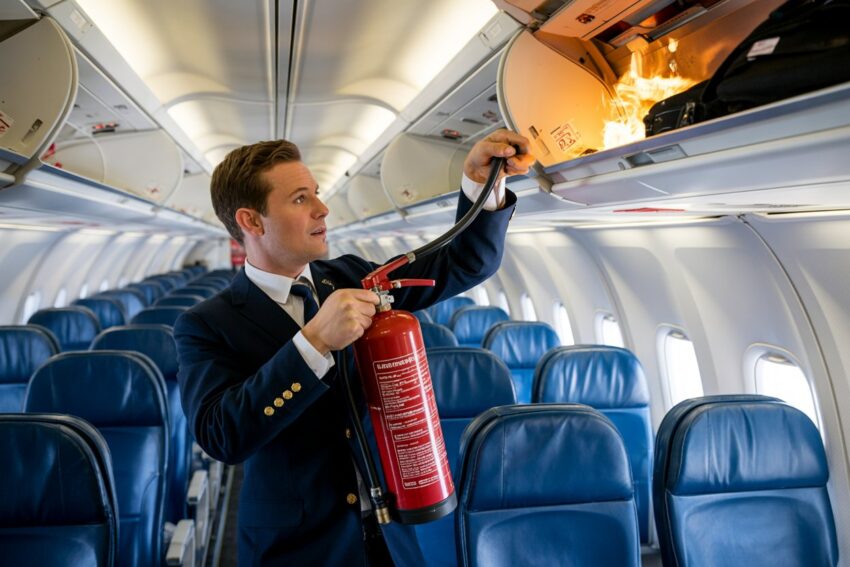
The incident occurred shortly after the plane took off, with flames and thick smoke reportedly coming from an overhead compartment. Video footage shared online by passengers aboard the flight shows the disturbing sight of fire and smoke emerging from the compartment as flight attendants rushed to address the situation. According to Air China, the fire was caused by a lithium battery, which had likely been in a passenger’s bag, sparking a chain of events that could have led to a more serious situation had the crew not acted swiftly.
The video depicts the crew’s professionalism as they quickly responded with fire extinguishers, eventually bringing the situation under control. In response to the incident, the flight crew made the decision to divert the plane to Shanghai, where it landed safely, ensuring that the remaining passengers could disembark in a calm and organized manner. The airline later confirmed that all passengers were safely evacuated, and emergency services at Shanghai’s Pudong airport assisted in removing the passengers from the aircraft.
Immediate Response and Evacuation
After the plane made its emergency landing in Shanghai, local emergency services were called to ensure the situation was handled appropriately. Passengers who had not been directly impacted by the fire were moved to an alternate plane to continue their journey to Seoul.
One of the most concerning aspects of this event was the emotional toll it took on the passengers. For many, the fear of the unknown and the confusion surrounding the emergency landing were unsettling. However, the quick response from the flight attendants, who immediately informed passengers of the situation and provided reassurance, was widely praised.
Though the majority of the passengers were shaken, no injuries were reported. The incident highlights the critical role that cabin crew and flight operations teams play in maintaining safety during in-flight emergencies, no matter how unusual they may be.
The Role of Lithium Batteries in Aviation Safety
Lithium-ion batteries, often used in electronic devices such as smartphones, laptops, and power banks, have become increasingly prevalent as travelers rely on their personal electronics during flights. However, these batteries can pose a serious fire risk if damaged, overcharged, or short-circuited. In recent years, there have been several notable incidents involving lithium batteries catching fire on aircraft, prompting greater scrutiny of how these devices are transported.
The fire on Flight CA139 serves as a stark reminder of the potential dangers these batteries pose during air travel. While aviation authorities and airlines have implemented rules to mitigate these risks, including restrictions on carrying larger batteries in checked luggage, it’s clear that accidents can still occur if these devices are improperly handled.
The quick action of Air China’s crew in managing the fire ensured that it didn’t escalate into a more dangerous situation. However, the event serves as a critical reminder for travelers to follow safety guidelines regarding the transport of electronic devices and their batteries.
A Growing Problem in Aviation
Lithium battery-related incidents have raised concerns within the aviation industry, with numerous airlines around the world tightening their policies regarding battery transport. According to the Federal Aviation Administration (FAA), lithium-ion batteries are one of the leading causes of in-flight fires. As a result, airlines have increasingly restricted the types of devices that can be carried in checked luggage, and travelers are advised to carry spare batteries in their carry-on bags rather than their checked luggage.
Despite these safety measures, experts agree that more work is needed to address the underlying risks associated with lithium-ion batteries on planes. Several global airlines have been working to implement better fire detection systems, training for crew members to handle such emergencies, and advanced fire suppression systems in cargo holds. But as the demand for personal electronics continues to grow, so too does the challenge of ensuring air travel safety in this area.
Looking Ahead: Improving Safety Protocols
In the aftermath of this incident, the aviation industry is likely to revisit current safety standards and protocols regarding the transport of electronic devices and their batteries. Airlines are expected to adopt even stricter measures to manage the risks associated with lithium batteries, including the introduction of fireproof storage containers in cargo holds and additional staff training for in-flight emergencies.
Furthermore, manufacturers of lithium batteries may also need to improve the safety and durability of their products to prevent potential hazards. Many industry leaders are calling for the development of new technologies and materials that can help mitigate the risks of battery-related fires, ensuring safer air travel for passengers and crew alike.
Conclusion: The Importance of Vigilance and Preparedness
The emergency landing of Air China Flight CA139 due to a lithium-ion battery fire serves as a critical reminder of the potential dangers associated with the growing reliance on personal electronic devices during air travel. While the quick and professional response of the cabin crew ensured a safe landing, this incident underscores the importance of continued vigilance and preparedness in addressing the risks posed by these devices.
As the aviation industry works to enhance safety measures, passengers need to remain mindful of airline regulations regarding the transport of electronic devices and batteries. Following these guidelines not only ensures a safer travel experience for everyone but also helps prevent accidents like the one on Flight CA139.
The post Air China Flight CA139 Makes Emergency Landing After Lithium Battery Fire appeared first on Travel and Tour World














































Comments and Responses
Please login. Only community members can comment.