























































A New Era Dawns For Rishikesh Tourism As Bajrang Setu’s Glass Walkway Over The Ganga Offers Spectacular Views And Replaces The Nearly 100-Year-Old Lakshman Jhula
-
Blogs, Wellness, Nature & Wildlife, History & Art, Religion, Travel
-
-
5 mins
-
Travel and Tour World
-
Prasan Das
-


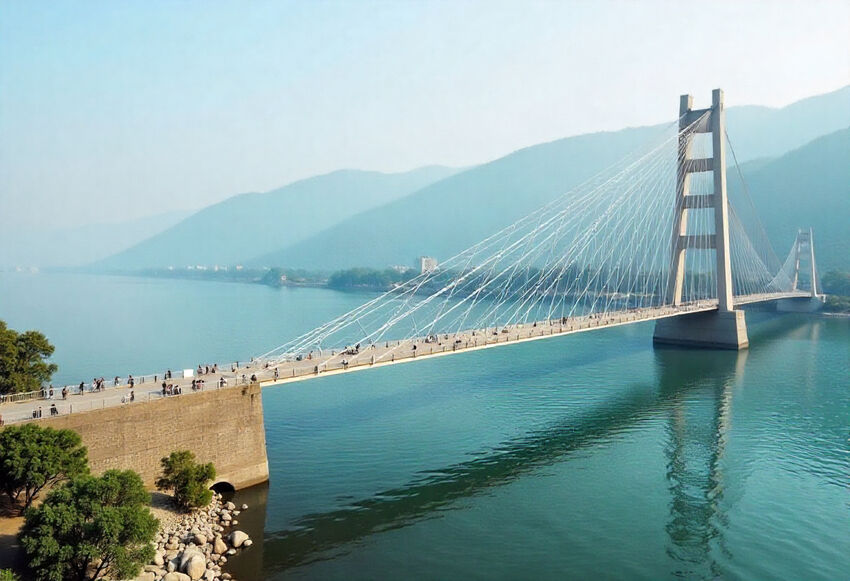
Rishikesh is introducing a new era of tourism with the construction of Bajrang Setu, a modern suspension bridge which is as much a feat of engineering as it is of spirituality.
Rishikesh is introducing a new era of tourism with the construction of Bajrang Setu, a modern suspension bridge which is as much a feat of engineering as it is of spirituality. Built to replace the nearly century-old Lakshman Jhula, this iconic bridge comes with glass walkways which provide a unique experience for pilgrims and travellers, allowing them to view the sacred Ganga as they walk over the river. The new bridge is safer and more accessible, but it also reflects Rishikesh’s bold transformation as the yoga capital of the world, uniquely integrating faith, innovation, and natural beauty.
Rishikesh, the world-renowned yoga capital of India, is on the verge of unveiling a major architectural marvel that will reshape its skyline and tourism identity. The soon-to-open Bajrang Setu, a state-of-the-art suspension bridge across the Ganga River, is set to replace the historic Lakshman Jhula, which has stood as a symbol of faith and spirituality for nearly a century. This new bridge not only enhances safety and connectivity but also brings a blend of modern engineering and mythological reverence that promises to elevate Rishikesh’s appeal for domestic and international visitors alike.
The End of an Era for Lakshman Jhula
For decades, Lakshman Jhula served as the beating heart of Rishikesh’s tourism and spiritual culture. Built in 1929, the iron suspension bridge became one of India’s most photographed and visited landmarks, connecting the villages of Tapovan and Jonk across the sacred Ganga. Its significance extended beyond its structural purpose — it represented the mythological story of Lord Lakshman, who, according to legend, crossed the river at this very site using a jute rope.
However, with time and increasing footfall, structural concerns arose. Engineering studies revealed weaknesses in the bridge’s framework, making it unsafe for heavy pedestrian and vehicular movement. Authorities eventually restricted access, paving the way for a new structure that could uphold the same spiritual and symbolic essence while meeting the modern demands of safety and design.
The retirement of Lakshman Jhula marks the end of a historic chapter, but its spirit is set to live on through Bajrang Setu, a modern marvel envisioned to carry the legacy forward.
Bajrang Setu: The Future of Rishikesh
Bajrang Setu, the new suspension bridge, is more than just a replacement — it represents the evolution of Rishikesh’s identity. Estimated to cost ₹60 crore, the bridge spans 132 metres in length and 8 metres in width, constructed using advanced materials to ensure durability, safety, and longevity.
Its design integrates aesthetics with engineering excellence, reflecting both spiritual symbolism and futuristic innovation. The bridge will act as a vital link between the old and new quarters of the town, reconnecting the cultural fabric that Lakshman Jhula once held together.
A Glass Walkway with a View of the Ganga
Among Bajrang Setu’s standout features are its transparent glass walkways, which will allow visitors to look directly down at the shimmering waters of the Ganga. Each walkway, 1.5 metres wide and made from 66-millimetre-thick reinforced glass panels, promises a thrilling and visually captivating experience.
These glass sections are designed to offer panoramic river views during the day and a breathtaking illuminated sight at night. For adventure enthusiasts and photographers, it will soon become one of the most Instagram-worthy locations in Uttarakhand.
The central lane of the bridge will accommodate two-wheelers, while the pedestrian paths on both sides will provide safe and accessible movement for high visitor volumes. This fusion of functionality and beauty positions Bajrang Setu as a new-age architectural symbol — one that reflects India’s growing capacity to merge spirituality with innovation.
A Catalyst for Rishikesh’s Tourism Revival
The inauguration of Bajrang Setu is expected to bring a powerful boost to tourism in Rishikesh, reaffirming the town’s reputation as a spiritual yet adventurous destination. The bridge’s contemporary design, coupled with its scenic location, will attract not only pilgrims but also experience-seeking travellers, photographers, and wellness tourists from around the world.
Rishikesh has long been associated with yoga, meditation, and river rafting, but this new addition will diversify its tourism offerings. The glass walkway experience will add a modern touch to the city’s spiritual identity, making it an unmissable attraction on India’s travel map.
Beyond tourism aesthetics, the bridge will also improve local connectivity, easing travel between both sides of the Ganga. This enhanced accessibility is expected to benefit small businesses, local guides, and hospitality establishments, giving a direct economic uplift to the region.
Where Tradition Meets Modern Design
Rishikesh’s appeal has always rested on its ability to balance the sacred with the serene. Bajrang Setu continues that tradition by combining mythological symbolism with contemporary engineering. The bridge’s name, “Bajrang,” evokes divine strength and devotion, a fitting tribute to the spiritual roots of the region.
As visitors cross the glass walkways suspended above the river, they will not only be reminded of Rishikesh’s mythic past but will also witness the tangible progress that defines India’s modern tourism infrastructure.
This project aligns with Uttarakhand’s vision to make its key tourist destinations more inclusive, safer, and visually captivating while maintaining harmony with the natural environment.
What It Means for Future Travelers
When completed, Bajrang Setu is expected to open by the end of the year, making it a highlight for the upcoming travel season. Tour operators and travel agencies are already preparing to include it in Rishikesh sightseeing itineraries, alongside popular spots such as Ram Jhula, Triveni Ghat, and Parmarth Niketan.
The bridge’s unique design will make it an all-season attraction — equally enchanting at sunrise when the Ganga glows golden, and at dusk during the Ganga Aarti when the entire riverbank comes alive with spiritual chants and floating diyas.
The structure is also expected to serve as a symbol of resilience and renewal — a modern monument representing the seamless connection between Rishikesh’s ancient heritage and its contemporary ambitions.
Planning Your Visit to Rishikesh
Best Time to Visit:
The most pleasant months to explore Rishikesh are from October to March, when the weather remains cool and clear, ideal for temple visits, river walks, and yoga retreats.
Summer (April–June):
Temperatures range between 25°C and 38°C — perfect for rafting and adventure sports.
Monsoon (July–September):
The landscape turns lush and scenic, though occasional rainfall may affect travel plans.
Winter (November–February):
Temperatures drop to 8°C–20°C, creating ideal conditions for trekking, sightseeing, and spiritual retreats.
Nearby Attractions:
- Triveni Ghat: Famous for its evening Ganga Aarti.
- Parmarth Niketan: One of India’s largest spiritual ashrams.
- Ram Jhula: Another suspension bridge offering stunning views.
- Beatles Ashram: Known for its art-filled ruins and global cultural connection.
- Neer Garh Waterfall: A refreshing stop for short treks and nature walks.
- Adventure Experiences: White-water rafting, bungee jumping, camping, and yoga by the river.
As Rishikesh prepares to inaugurate Bajrang Setu, the city stands at a defining moment — one where its historic soul meets the spirit of progress. The new bridge is not just a crossing over the Ganga; it is a bridge between tradition and transformation.
Rishikesh tourism enters a new era with the replacement of the century-old Lakshman Jhula by the breathtaking Bajrang Setu. Bajrang Setu offers glass walkways that provide stunning views of the Ganga, interlacing modern engineering with the city’s profound spiritual heritage.
When opened, Bajrang Setu will encourage travelers worldwide to appreciate Rishikesh from a new vantage point—one that encapsulates its mythology, respects its history, and highlights its future.
The post A New Era Dawns For Rishikesh Tourism As Bajrang Setu’s Glass Walkway Over The Ganga Offers Spectacular Views And Replaces The Nearly 100-Year-Old Lakshman Jhula appeared first on Travel and Tour World














































Comments and Responses
Please login. Only community members can comment.