
















































Discover Asmara Now: Why This UNESCO Capital’s Modernist Architecture Is Africa’s Best-Kept Secret
-
Blogs, History & Art, Travel
-
-
3 mins
-
Travel and Tour World
-
Poulomi Sinha
-

Explore the stunning UNESCO colonial architecture of Asmara and plan your African heritage trip today. Read the full guide here!
To plan a cultural journey to one of the world’s most singular urban environments is to understand how an extraordinary modernist past is being unlocked for today’s modern traveller. The capital of Eritrea is an unmissable window on 20th-century design history for global wanderers looking for undiscovered destinations before mass tourism moves in. Wondering why Asmara is suddenly all over the world’s travel headlines, or how a city that has been held back by history is now transforming its colonial legacy into one of its biggest tourist attractions? This is the guide for you. Read on to learn how official preservation efforts are opening this architectural treasure trove to the world today.
Key Questions Answered for Travellers
To capture search visibility and address primary traveller curiosities, several critical queries must be answered regarding this Horn of Africa destination.
Why is Asmara’s architecture famous?
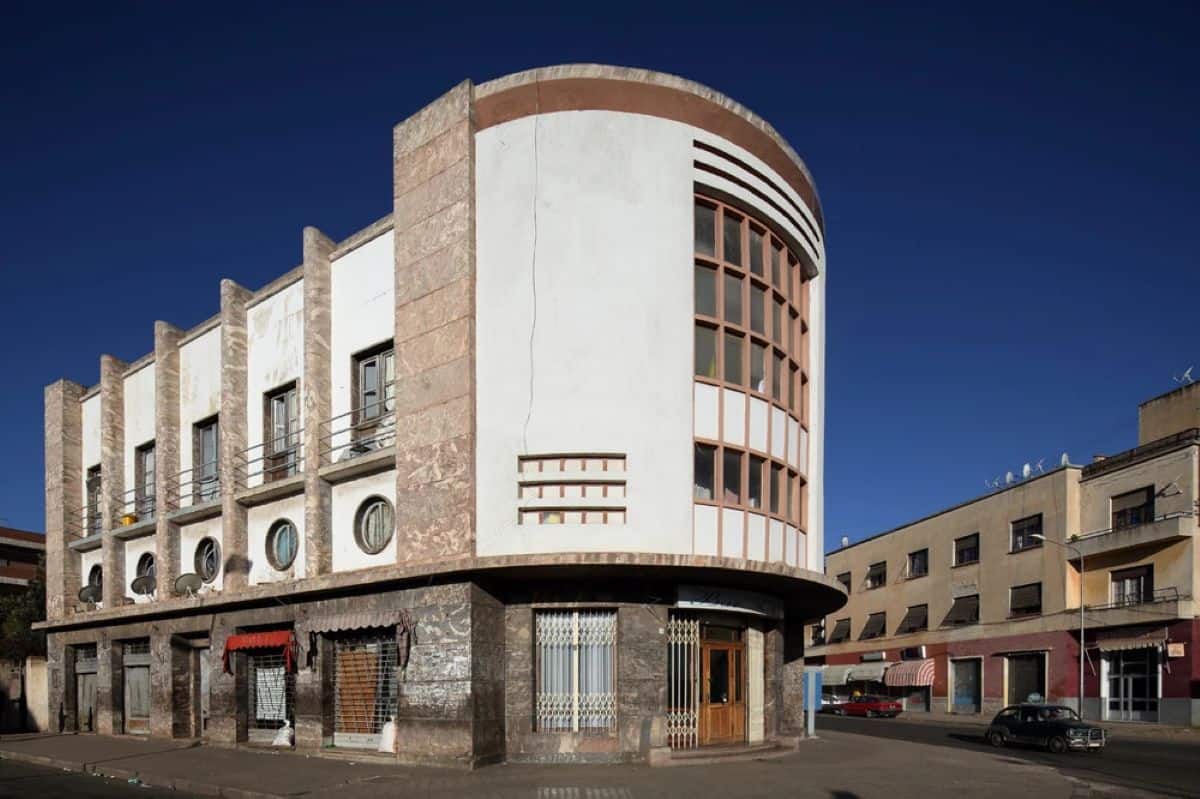
Asmara is globally renowned for possessing one of the highest concentrations of modernist, Futurist, and Art Deco architecture anywhere in the world. Constructed predominantly during the Italian colonial period between the 1930s and 1941, the cityscape features experimental designs shaped by Italian architects who were prohibited from building similar avant-garde structures in their home country due to historical constraints.
When did Asmara become a UNESCO World Heritage site?
In July 2017, Asmara: A Modernist African City was officially inscribed as a UNESCO World Heritage site. According to the UNESCO World Heritage Centre, the capital was recognized for its exceptional concentration of early modernist urbanism applied on an African context, reflecting a unique intercultural intersection.
How can tourists explore Asmara’s architectural heritage?
Exploration is facilitated through structured cultural programmes, municipal preservation initiatives, and specialized guided heritage tours. Visitors are taken through a meticulously preserved urban fabric where futuristic petrol stations, cinemas, and administrative offices remain intact.
The Historical Canvas: A 1930s Metropolis Frozen in Time
The transformation of Asmara from a modest highland village into a sprawling urban masterpiece remains one of the most fascinating chapters in African architectural history. During the fascist Italian occupation of Eritrea, the city was envisioned as La Piccola Roma (Little Rome), a showcase of colonial ambition and modern urban planning. Architects and engineers experimented with radical geometric forms, sweeping curves, and nautical motifs that defined the Italian stile moderno and Rationalist movements.
Official data compiled by the Asmara Heritage Project (AHP)—a municipal body established to safeguard the capital’s built environment—indicates that over 400 modernist buildings were constructed within a remarkably compressed timeframe during the late 1930s. Unlike many European cities where historic districts were subsequently redeveloped or damaged during conflicts, Asmara’s central grid was preserved largely untouched. Economic isolation and strict national property laws in the decades following Eritrean independence in 1993 inadvertently acted as a preservation shield, preventing commercial modernization from erasing these architectural artefacts.
Translating Heritage into Tourism: The New Strategy
In recent years, a strategic shift has been initiated by national tourism authorities and cultural preservationists to leverage this architectural legacy as a primary engine for sustainable economic development. Rather than allowing the ageing infrastructure to deteriorate, targeted conservation funding and international partnerships have been deployed to restore iconic landmarks.
Specialized guided tours have been expanded to accommodate an increasing number of international architectural enthusiasts, history buffs, and cultural travelers. These educational itineraries lead visitors past legendary structures such as the futuristic Fiat Tagliero building—designed by Giuseppe Pettazzi in 1938 with cantilevered concrete wings that mimic an aeroplane in flight—and the Cinema Impero, celebrated for its striking geometric facade and operational vintage neon lighting.
Furthermore, local authorities have implemented strict zoning regulations and building codes to protect the visual integrity of the central business district. Signage, commercial modifications, and structural alterations are closely monitored by the Eritrean Ministry of Information and cultural boards to ensure that the urban landscape retains its authentic 1930s aesthetic.
Navigating the Capital: What Visitors Can Expect
The architectural landscape of Asmara is a journey through time and a full-body experience. The city is laid out on a simple, sensible grid, with large squares, palm-lined streets and outdoor cafés where local custom meets European café culture.
The walking tours generally start from Harnet Avenue (formerly Viale Mussolini), the busy central spine of the city. Here you will find a dense concentration of rationalist shopfronts, residential apartment blocks and civic buildings made of local materials such as basalt, terracotta and ochre-coloured rendering. Government reports have also pointed out the integration of community engagement programmes into the tourism framework, which allows local residents to participate in the benefits of influx of cultural heritage tourism.
With the international spotlight turning to more authentic, off-the-beaten-path destinations, Asmara is a living museum of modernism. In turning its complex colonial legacy into a popular tourism asset, the Eritrean capital makes sure of its architectural future and its place on the international travel map.
The post Discover Asmara Now: Why This UNESCO Capital’s Modernist Architecture Is Africa’s Best-Kept Secret appeared first on Travel and Tour World























































Comments and Responses
Please login. Only community members can comment.