
















































Japan Tightens Tax-Free Shopping Checks
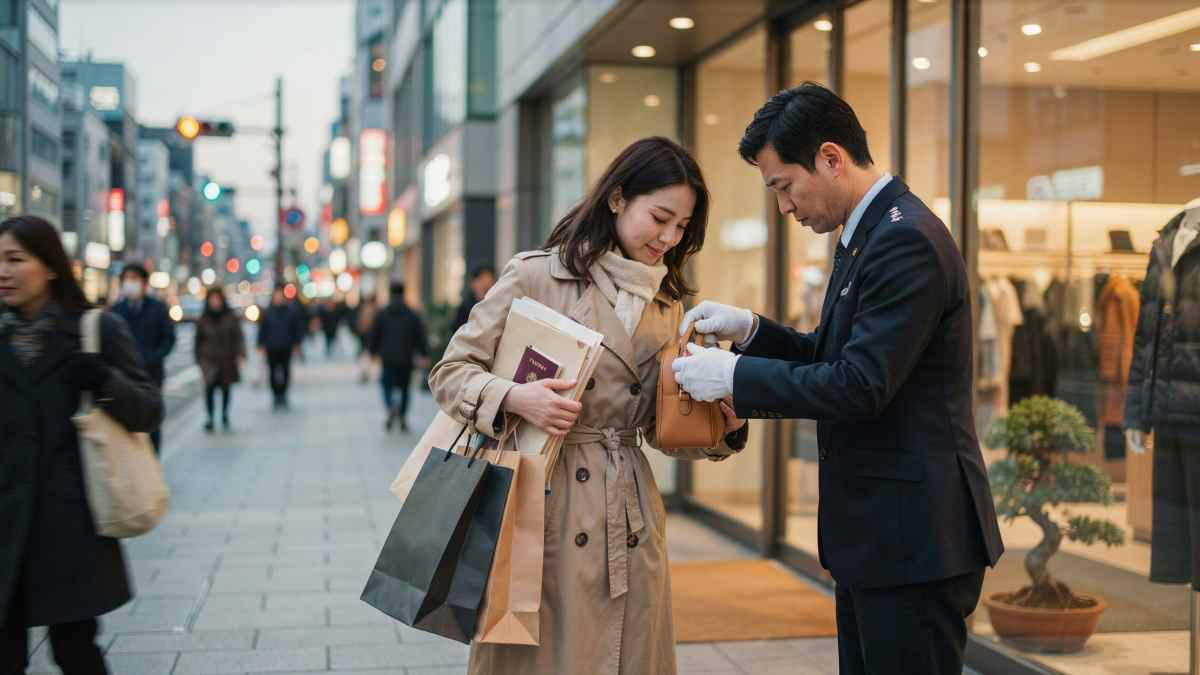
-
Immigration, Culinary, Nature & Wildlife, History & Art, Shopping, Travel
-
-
4 mins
-
Travel and Tour World
-
Abhirup Gan
-

Shopping tax-free in Japan? Major rule updates tighten airport customs screening and purchase validations. Learn what travellers must do to claim tax refunds.
Japan and Tokyo, and Osaka are gearing up for their autumn tourism season as customs and immigration procedures are becoming more linked to the digital passenger experience and tax-free shopping. Foreign travellers passing through Haneda, Narita, and Kansai airports need to be aware of the documents and procedures needed when shopping tax-free.
Tax-Free Shopping Enters A New Phase
Japan’s tax-free shopping system allows eligible international visitors staying temporarily in the country to purchase certain goods without paying the consumption tax, subject to specific conditions.
The system applies to qualifying visitors, including those entering Japan under Temporary Visitor status. Travellers must meet the relevant requirements and take purchased tax-free goods out of Japan when they leave the country.
For tourists, the benefit is particularly relevant to shopping itineraries in Tokyo and Osaka, where department stores, electronics retailers, fashion outlets and specialist shops attract international visitors.
Airports Become An Important Part Of The Process
Haneda and Narita serve as two of Tokyo’s principal international gateways, while Kansai International Airport provides a major entry and departure point for visitors travelling to Osaka, Kyoto and surrounding destinations.
For travellers departing Japan, customs procedures form part of the final stage of an international trip. Visitors who have purchased tax-free goods may need to present their passport and the relevant goods for customs confirmation when required.
The departure process therefore connects tourism, aviation and retail activity, particularly during periods when international visitor numbers rise.
Digital Immigration Changes The Passenger Journey
Japan has increasingly introduced automated and biometric technologies at airports to improve immigration processing.
Automated gates can allow eligible travellers to complete immigration procedures without receiving a traditional passport stamp in the same way as travellers processed manually.
For visitors using automated systems, understanding how their immigration record is documented can be important when another procedure requires proof of entry status.
The tax-free shopping process remains subject to its own requirements, meaning travellers should retain relevant documentation and follow instructions provided by customs, retailers and airport authorities.
Autumn Brings Higher Travel Interest
Japan’s autumn foliage season is one of the country’s major tourism periods, attracting visitors to Tokyo, Kyoto, Osaka, Nikko, Hakone and destinations across northern and central Japan.
Travellers frequently combine sightseeing with shopping during autumn trips. Tokyo’s Ginza, Shinjuku, Shibuya and Akihabara districts offer extensive retail options, while Osaka’s Dotonbori, Shinsaibashi and Umeda areas are popular with international visitors.
Visitors also travel beyond the two major cities, using Japan’s extensive rail network to connect urban centres with cultural, historical and natural attractions.
Rail Connectivity Supports Multi-City Trips
Japan’s railway system remains central to international tourism. Visitors arriving through Tokyo can travel onwards to Kyoto, Osaka, Nagoya and other destinations, while travellers entering through Kansai International Airport can build itineraries around Osaka, Kyoto, Nara and Kobe.
The increasing use of IC cards and contactless travel systems has also simplified many local journeys. These systems are widely used for urban railways, buses and other forms of public transport, although travellers should understand where specific cards or payment methods are accepted.
For tourists, the combination of efficient rail travel and digital payment systems makes it possible to move between shopping districts, airports, hotels and attractions with fewer physical transactions.
Tax-Free Purchases Still Have Conditions
Tax-free shopping is not simply a discount applied to every purchase made by an overseas visitor.
Eligibility depends on the traveller’s status, the nature of the goods, purchase value and other conditions established under Japan’s tax rules. Visitors must also take eligible purchases out of Japan when leaving the country.
If a traveller no longer meets the conditions for tax-free treatment, consumption tax may become payable.
This makes the departure stage important for visitors carrying tax-free purchases, particularly when large-value goods are involved.
Tokyo And Osaka Lead Shopping Tourism
Tokyo and Osaka remain major centres for international shopping tourism.
Tokyo combines luxury retail, electronics, fashion, traditional crafts and specialist stores across districts that attract millions of visitors. Osaka is known for its food culture, shopping streets and commercial districts, with Shinsaibashi and Namba forming prominent parts of the city’s visitor economy.
Kyoto adds traditional crafts, souvenirs and cultural experiences, while regional destinations provide opportunities to combine shopping with nature and heritage tourism.
For visitors travelling during autumn, these experiences can be incorporated into wider itineraries centred on seasonal scenery.
Travellers Should Allow Time At Departure
International passengers carrying tax-free purchases should allow sufficient time for airport procedures before their flights.
The final departure process can involve immigration, customs and airline requirements, and the time needed may vary according to airport conditions, passenger volumes and individual circumstances.
Travellers using automated immigration facilities should also pay attention to any instructions directing them towards staffed counters or additional verification.
Keeping passports, boarding documents and tax-free purchase information accessible can make the departure process easier.
A More Connected Tourism Journey
This new integration of automated immigration facilities, digital transport services and custom procedures in Japan has made the travel experience more convenient for travellers from other countries. This is especially pertinent to tourists who come to enjoy the beautiful autumn colours since sightseeing, shopping and railway travel in Japan will be a single journey across several cities. Tokyo’s Haneda and Narita airports, as well as Osaka’s Kansai International Airport, are still major travel hubs for such trips. While travelling to Japan, through its airports, train services, and shopping centres, it is still essential to understand the conditions for purchasing goods tax-free and leaving the country.
The post Japan Tightens Tax-Free Shopping Checks appeared first on Travel and Tour World























































Comments and Responses
Please login. Only community members can comment.