
















































Auckland, Queenstown and Other Cities Catch the Attention of Different Generations of Travelers Through Seasonal Experiences in New Zealand
-
Blogs, Wellness, Culinary, Nature & Wildlife, History & Art, Shopping, Travel
-
-
13 mins
-
Travel and Tour World
-
Anamika Talukder
-


New Zealand cities, including Auckland and Queensland, attract diverse travellers as seasonal experiences, visitor age groups and repeat travel trends reshape tourism demand.
The tourism map of New Zealand changes and evolves as Auckland, Queenstown, and other cities draw diverse travellers with seasonal experiences. The changing visitor landscape reveals how destinations are adapting through timing, activities and personalized journeys to attract global audiences. Seasonal demand patterns show that adventure, culture and nature remain powerful motivations behind travel choices across regions. The shift highlights how each location creates distinctive opportunities for explorers seeking memorable escapes throughout the year. Industry insights indicate that age, interests and previous visits influence decisions while shaping future holiday planning across the country. These trends underline a remarkable transformation in visitor behaviour and market growth.
New Zealand Cities Showing Strong Tourism Patterns in 2026
| City / Destination | Main Tourism Appeal | Peak Seasonality Pattern | Typical Visitor Age Groups | First-Time Visitor Profile | Repeat Visitor Behaviour | Key Visitor Insights |
|---|---|---|---|---|---|---|
| Auckland | International gateway, urban experiences, food, shopping, harbour attractions, Māori and Pacific culture | Strongest demand during December–February summer, school holidays and major international arrival periods. Shoulder seasons (March–May, September–November) remain important for city breaks. | Broadest age mix. Strong appeal among 25–64-year-old international travellers, business travellers, families and long-haul visitors beginning New Zealand trips. | Very high first-visit share because many overseas travellers enter New Zealand through Auckland Airport. First-time visitors often use the city as a starting point before exploring other regions. | Repeat visitors increasingly seek food, neighbourhood experiences, islands, events and premium urban stays rather than only gateway travel. | Auckland acts as the entry point for global markets, especially Australia, Asia, North America and Europe. Australia represented the largest international visitor market for New Zealand in recent tourism statistics. |
| Queenstown | Adventure tourism, mountains, skiing, luxury travel, wine, outdoor activities, scenic landscapes | Highly seasonal with two major peaks: December–February summer adventure season and June–August winter ski season. Spring and autumn attract nature and photography travellers. | Strong appeal among 18–45-year-old adventure travellers, couples, honeymooners and active travellers. Also attracts affluent 45+ visitors seeking premium experiences. | One of New Zealand’s highest first-time destination choices. Many international visitors include Queenstown as a “must-see” location during their first New Zealand itinerary. | Strong repeat demand from adventure enthusiasts, ski visitors, luxury travellers and those returning for seasonal activities. | Queenstown is associated with high-value tourism because visitors often participate in multiple paid activities, accommodation experiences and scenic excursions. |
| Christchurch | Gateway to South Island, Antarctic connections, heritage, gardens, nature access, nearby Alps | Demand is relatively balanced throughout the year. Summer supports sightseeing, while winter supports alpine travel and ski connections. | Appeals strongly to 35–65-year-old travellers, families, road-trippers and independent travellers. Younger travellers use Christchurch as a South Island base. | High first-time visitor numbers because it provides access to destinations such as Aoraki/Mount Cook, Tekapo and South Island touring routes. | Repeat visitors return for regional exploration, food, events and slower travel experiences. | Christchurch benefits from its role as a transport hub and starting point for South Island itineraries. Canterbury recorded strong population and regional growth, supporting tourism infrastructure development. |
| Wellington | Capital city, museums, film tourism, government heritage, food, culture and waterfront attractions | Less weather-dependent than outdoor destinations. Strong periods include summer events, festivals and cultural seasons. | Strong appeal among 30–60-year-old cultural travellers, professionals, couples and domestic visitors. | First-time visitors are attracted by national museums, political history, Māori culture and creative industries. | Repeat visitors often return for festivals, restaurants, exhibitions and events. | Wellington performs strongly in cultural and experience-based tourism rather than traditional sightseeing alone. The Wellington region remains one of New Zealand’s major population and economic centres. |
| Rotorua | Māori culture, geothermal attractions, wellness, adventure activities and family experiences | Peak periods occur during summer holidays and school breaks. Winter also attracts wellness and geothermal visitors. | Broad demographic appeal. Families, cultural travellers, couples and 45+ experience seekers are significant segments. | Many first-time visitors include Rotorua because of its unique geothermal landscapes and Māori cultural experiences. | Repeat visitors return for wellness, outdoor activities, events and deeper cultural experiences. | Rotorua remains one of New Zealand’s strongest cultural tourism destinations. |
| Dunedin | Scottish heritage, wildlife, architecture, universities and coastal scenery | Summer attracts sightseeing and wildlife travellers. Winter appeals to niche travellers and events visitors. | Popular among 35+ independent travellers, heritage tourists and nature enthusiasts. | First-time visitors often arrive through South Island touring routes. | Repeat demand comes from wildlife, festivals, academic connections and slower travel. | Dunedin benefits from heritage tourism and access to unique wildlife experiences. |
| Nelson | Beaches, national parks, arts, outdoor recreation and Abel Tasman access | Summer is the strongest period due to beaches and outdoor activities. Autumn attracts nature and photography travellers. | Appeals to 40+ leisure travellers, families and outdoor-focused visitors. | Many first-time visitors combine Nelson with wider South Island itineraries. | Repeat visitors return for hiking, coastal experiences and relaxed holidays. | Nelson attracts longer-stay travellers because of outdoor activities and regional exploration. |
| Tauranga / Bay of Plenty | Beaches, coastal lifestyle, cruises, Mount Maunganui and family holidays | Summer dominates because of beach tourism. Cruise-related demand creates additional seasonal peaks. | Strong family market, retirees, domestic travellers and international leisure visitors. | First-time visitors often seek coastal experiences and relaxation. | Repeat visitors are common among domestic holidaymakers returning for beaches and lifestyle experiences. | Tauranga benefits from domestic tourism loyalty and coastal recreation demand. |
New Zealand’s major tourism cities attract different visitor profiles based on landscape, accessibility, activities, cultural appeal and travel motivations. While Auckland functions as the country’s main international gateway, destinations such as Queenstown, Christchurch, Wellington and Rotorua show distinctive patterns in visitor age groups, seasonal demand and loyalty levels. Tourism New Zealand and national tourism data indicate that international visitors remain highly concentrated around iconic experiences, with nature, adventure, culture and premium travel shaping city-level demand.
Why are Auckland, Queenstown, Christchurch, Wellington and Rotorua developing different tourism identities?
New Zealand’s tourism future is increasingly shaped by destination specialisation. Each city has developed a different identity that attracts specific traveller segments.
Auckland represents connectivity, culture and urban discovery. It benefits from international access and a diverse population that supports food, events and cultural tourism.
Queenstown represents adventure and premium nature tourism. Its mountains, lakes and outdoor activities create strong international recognition.
Christchurch represents exploration and regional connectivity. Its position makes it essential for South Island tourism routes.
Wellington represents creativity and culture. Its museums, waterfront and culinary scene attract travellers looking for meaningful city experiences.
Rotorua represents heritage, Māori culture and geothermal tourism. Few destinations globally offer a similar combination of natural and cultural attractions.
This diversification allows New Zealand to attract visitors throughout the year instead of relying only on traditional summer travel. It also supports different visitor groups, from younger adventure travellers to older cultural tourists.
Tourism New Zealand’s research highlights that landscapes and scenery remain among the strongest motivations for international holiday visitors, while many travellers continue to explore multiple regions during their trips.
Visitor Age Trends Across New Zealand Cities
| Age Group | Cities With Strong Appeal | Main Travel Motivation |
|---|---|---|
| 18–30 years | Queenstown, Auckland, Rotorua | Adventure activities, backpacking, nightlife, outdoor experiences, social travel |
| 30–45 years | Queenstown, Wellington, Auckland, Christchurch | Premium experiences, couples travel, food, adventure and independent exploration |
| 45–65 years | Christchurch, Rotorua, Wellington, Dunedin | Culture, scenery, heritage, comfort, guided experiences |
| 65+ years | Auckland, Christchurch, Wellington, Rotorua | Longer stays, scenic touring, cruises, wellness and cultural travel |
Which age groups are choosing different New Zealand destinations?
Age segmentation has become increasingly important in understanding New Zealand’s tourism landscape. Different destinations appeal to different generations because of their experiences, accessibility and travel styles.
Queenstown has one of the strongest connections with younger travellers. Visitors aged approximately 18 to 45 are attracted by adventure activities, nightlife, outdoor exploration and social travel opportunities. The destination also attracts older travellers with higher spending power who seek premium lodges, luxury tours and scenic experiences.
Auckland attracts the widest age range. Younger travellers often use it as the first stop before exploring the country, while older visitors choose the city for cultural experiences, comfortable accommodation and easy access to surrounding attractions.
Christchurch appeals strongly to independent travellers, families and mature visitors. Its location makes it attractive for travellers planning longer South Island journeys. Older travellers often prefer Christchurch because it provides easier access to scenic routes without requiring immediate adventure-focused travel.
Rotorua attracts multiple generations. Families visit for interactive attractions and outdoor activities, while older travellers are drawn to cultural experiences, wellness tourism and geothermal landscapes.
Wellington has a particularly strong appeal among cultural travellers. Visitors interested in museums, history, food and creative industries often include the capital city in their itineraries.
Tourism spending data indicates that different visitor segments contribute differently to New Zealand’s tourism economy, with holiday travellers remaining a major component of international tourism demand.
Which New Zealand cities are attracting the strongest tourism demand from global travellers?
New Zealand’s tourism recovery has created a more segmented travel market, where different cities are attracting different visitor groups rather than competing for the same travellers. According to the New Zealand Ministry of Business Innovation and Employment tourism research data, visitor behaviour is measured through several national datasets, including the International Visitor Survey, which tracks visitor characteristics, spending and travel behaviour.
Auckland remains the country’s largest international gateway because most overseas visitors begin their journeys through the city’s transport connections. The destination attracts a wide range of travellers, including first-time visitors, business travellers, families and long-haul tourists connecting from Australia, Asia, North America and Europe.
However, Auckland is increasingly becoming more than an arrival point. Visitors are extending stays to explore harbour experiences, Māori culture, food scenes, islands and premium accommodation. Repeat travellers often move beyond traditional sightseeing and seek more local experiences.
Queenstown follows a different tourism model. The South Island destination is strongly associated with adventure, luxury travel and dramatic landscapes. It attracts younger adventure seekers, couples, honeymooners and high-spending travellers looking for skiing, hiking, scenic flights and outdoor activities.
Christchurch has developed a strong position as the gateway to South Island touring. Many travellers use the city as a starting point for journeys to alpine areas, lakes, national parks and coastal destinations.
Meanwhile, Wellington and Rotorua continue to attract visitors interested in culture, heritage and unique local experiences. Wellington benefits from its museums, creative industries and waterfront attractions, while Rotorua remains internationally recognised for geothermal landscapes and Māori cultural experiences.
New Zealand recorded millions of international visitors in recent years, with tourism spending showing continued recovery. The country’s official visitor research highlights that landscapes, scenery and regional exploration remain major travel motivations.
Seasonality Comparison of Major New Zealand Tourism Cities
| Season | Cities Seeing Strong Demand | Main Reasons |
|---|---|---|
| Summer (December–February) | Auckland, Queenstown, Nelson, Tauranga, Rotorua | Beaches, hiking, road trips, festivals and outdoor activities |
| Autumn (March–May) | Queenstown, Christchurch, Central Otago, Nelson | Scenic landscapes, fewer crowds, wine tourism and photography |
| Winter (June–August) | Queenstown, Christchurch, Rotorua | Ski tourism, alpine travel, wellness and indoor attractions |
| Spring (September–November) | Queenstown, Wellington, Christchurch | Nature, gardens, hiking and shoulder-season travel |
How does seasonality influence tourism demand across New Zealand cities?
Seasonality remains one of the biggest factors shaping New Zealand’s city tourism patterns. The country’s geography creates different travel peaks depending on weather conditions, outdoor activities and holiday periods.
Queenstown experiences the strongest seasonal changes. During summer, visitors arrive for hiking, cycling, adventure activities and scenic experiences. During winter, the city transforms into a major ski destination, attracting travellers from Australia and international snow markets.
The city’s tourism cycle is closely connected with outdoor experiences. Summer attracts younger travellers and active visitors, while winter often brings premium leisure travellers, families and ski enthusiasts.
Auckland experiences a more balanced year-round tourism pattern because it operates as the main international gateway. Summer remains popular due to warmer weather, harbour activities and holiday travel, but business tourism, events and international connections support demand throughout the year.
Christchurch also benefits from relatively stable demand. Summer encourages road trips and sightseeing, while winter supports visitors travelling toward alpine destinations. Its role as a South Island transport hub reduces dependence on a single tourism season.
Rotorua has a broader seasonal appeal because its attractions operate throughout the year. Geothermal areas, cultural performances and wellness experiences allow the destination to attract visitors during both peak and shoulder seasons.
Wellington’s tourism demand is influenced less by weather and more by events, exhibitions and cultural activities. Festivals, museums and food experiences help maintain visitor interest outside traditional holiday periods.
National tourism research shows that New Zealand continues to experience variations between peak and off-peak travel periods, with domestic and international surveys tracking changing visitor behaviour.
First-Time vs. Repeat Visitor Behaviour
| Visitor Type | Dominant Cities | Typical Behaviour |
|---|---|---|
| First-time international visitors | Auckland, Queenstown, Christchurch, Rotorua | Focus on iconic attractions, major landscapes and “must-see” experiences |
| Repeat international visitors | Auckland, Queenstown, Wellington, Nelson | Seek deeper local experiences, regional exploration, food, culture and niche activities |
| Domestic repeat travellers | Tauranga, Rotorua, Queenstown, Wellington | Return for holidays, events, family trips and seasonal activities |
Are New Zealand cities attracting more first-time visitors or repeat travellers?
New Zealand continues to attract a large number of first-time international visitors because the country remains a bucket-list destination known for landscapes, adventure and nature-based tourism.
Auckland has one of the highest proportions of first-time visitors because many international travellers enter through the city. For many overseas visitors, Auckland represents the beginning of a wider New Zealand journey.
Queenstown also has a significant first-time visitor market. Many travellers consider the destination an essential part of their first New Zealand itinerary because of its mountains, lakes and adventure reputation.
Christchurch benefits from first-time visitors using it as a gateway to explore the South Island. Travellers frequently combine Christchurch with destinations such as alpine regions, national parks and scenic routes.
However, repeat visitation is becoming increasingly important. Returning travellers often seek deeper experiences rather than simply visiting famous attractions. Auckland repeat visitors explore neighbourhoods, food experiences and nearby islands. Wellington attracts repeat visitors through festivals, cultural events and dining. Rotorua benefits from travellers returning for wellness, cultural programmes and regional exploration.
Repeat visitors also contribute to longer stays because they are more familiar with transport networks and destinations. They often explore secondary regions beyond the country’s most famous attractions.
The official International Visitor Survey examines visitor characteristics and behaviours, helping identify changing patterns between travel motivations, spending and experiences.
What does the future visitor profile look like for New Zealand tourism cities?
The future of New Zealand tourism is expected to focus increasingly on personalised experiences, regional exploration and higher-value travel.
Younger travellers are likely to continue supporting adventure destinations such as Queenstown, while mature travellers may drive demand for luxury stays, cultural journeys and slower travel experiences.
Cities such as Auckland and Christchurch will remain important gateways, but visitor behaviour is shifting toward longer regional journeys. Travellers increasingly want authentic experiences, local connections and nature-based activities.
Repeat visitors will become more valuable because they already understand the destination and are more likely to explore beyond iconic attractions.
New Zealand’s tourism cities are therefore moving toward a more balanced model. Instead of depending only on visitor numbers, destinations are focusing on visitor experiences, seasonal distribution and attracting travellers with different interests.
As tourism continues evolving, Auckland, Queenstown, Christchurch, Wellington and Rotorua demonstrate how different destinations can successfully serve different generations, travel styles and motivations within one national tourism economy.
Essential Airports and Airlines to Reach Major New Zealand Tourism Cities
| Tourism City | Essential Airport (IATA Code) | Airport Role | Best International Connections | Major Airlines Serving the Route | Domestic Connection Options | Ideal Traveller Segment |
|---|---|---|---|---|---|---|
| Auckland | Auckland Airport (AKL) | New Zealand’s largest international gateway and main long-haul hub | Australia, Asia, North America, Pacific Islands, Middle East connections | Air New Zealand, Qantas, Jetstar, Qatar Airways, China Eastern, American Airlines, Singapore Airlines and other international carriers | Direct flights to Christchurch, Wellington, Queenstown, Rotorua, Dunedin and other regional airports | First-time international visitors, business travellers, families and luxury travellers |
| Queenstown | Queenstown Airport (ZQN) | Main gateway for South Island adventure and luxury tourism | Australia seasonal and trans-Tasman connections; international travellers commonly connect through Auckland or Christchurch | Air New Zealand, Jetstar, Qantas and seasonal international operators | Direct domestic links with Auckland, Christchurch and Wellington | Adventure travellers, ski visitors, honeymooners and premium leisure travellers |
| Christchurch | Christchurch Airport (CHC) | Major South Island international gateway and touring hub | Australia, Asia seasonal routes and connecting global services | Air New Zealand, Jetstar, Qantas, Singapore Airlines (seasonal routes), Emirates connections through partners | Direct flights to Auckland, Queenstown, Wellington, Dunedin and regional destinations | South Island explorers, families, road-trippers and mature travellers |
| Wellington | Wellington Airport (WLG) | Capital city gateway with strong domestic and trans-Tasman links | Australia and Pacific connections | Air New Zealand, Qantas, Jetstar, Fiji Airways | Strong domestic network to Auckland, Christchurch, Queenstown, Rotorua and regional airports | Cultural travellers, business visitors, event tourists and repeat visitors |
| Rotorua | Rotorua Airport (ROT) | Regional gateway for geothermal and Māori cultural tourism | Mainly reached through domestic connections | Air New Zealand (primary operator) | Direct connections mainly through Auckland | Families, cultural travellers, wellness visitors and experience-focused tourists |
| Dunedin | Dunedin Airport (DUD) | Southern gateway for wildlife, heritage and coastal tourism | Limited international services; mostly domestic connections | Air New Zealand, Jetstar (route availability varies) | Connections through Auckland, Christchurch and Wellington | Heritage travellers, wildlife tourists and independent explorers |
| Nelson | Nelson Airport (NSN) | Gateway to Abel Tasman National Park and outdoor tourism | Mostly domestic access | Air New Zealand, Sounds Air, regional operators | Connections through Auckland, Wellington and Christchurch | Nature travellers, hikers, long-stay visitors |
| Tauranga / Bay of Plenty | Tauranga Airport (TRG) | Coastal tourism gateway | Mainly domestic access | Air New Zealand and regional operators | Connections through Auckland and Wellington | Families, beach travellers and repeat domestic visitors |
New Zealand’s evolving visitor economy reflects a clear response to changing expectations and travel preferences. The answer lies in diverse experiences that match different interests while reducing dependence on a single season. The reason behind this transformation is the ability of destinations to create specialised offerings for varied audiences. Adventure seekers, cultural explorers and returning guests are discovering different reasons to revisit. Official visitor research continues to track spending, activities and travel behaviour, showing how demand patterns are changing. This destination diversity strengthens long-term growth by creating broader opportunities across regions.
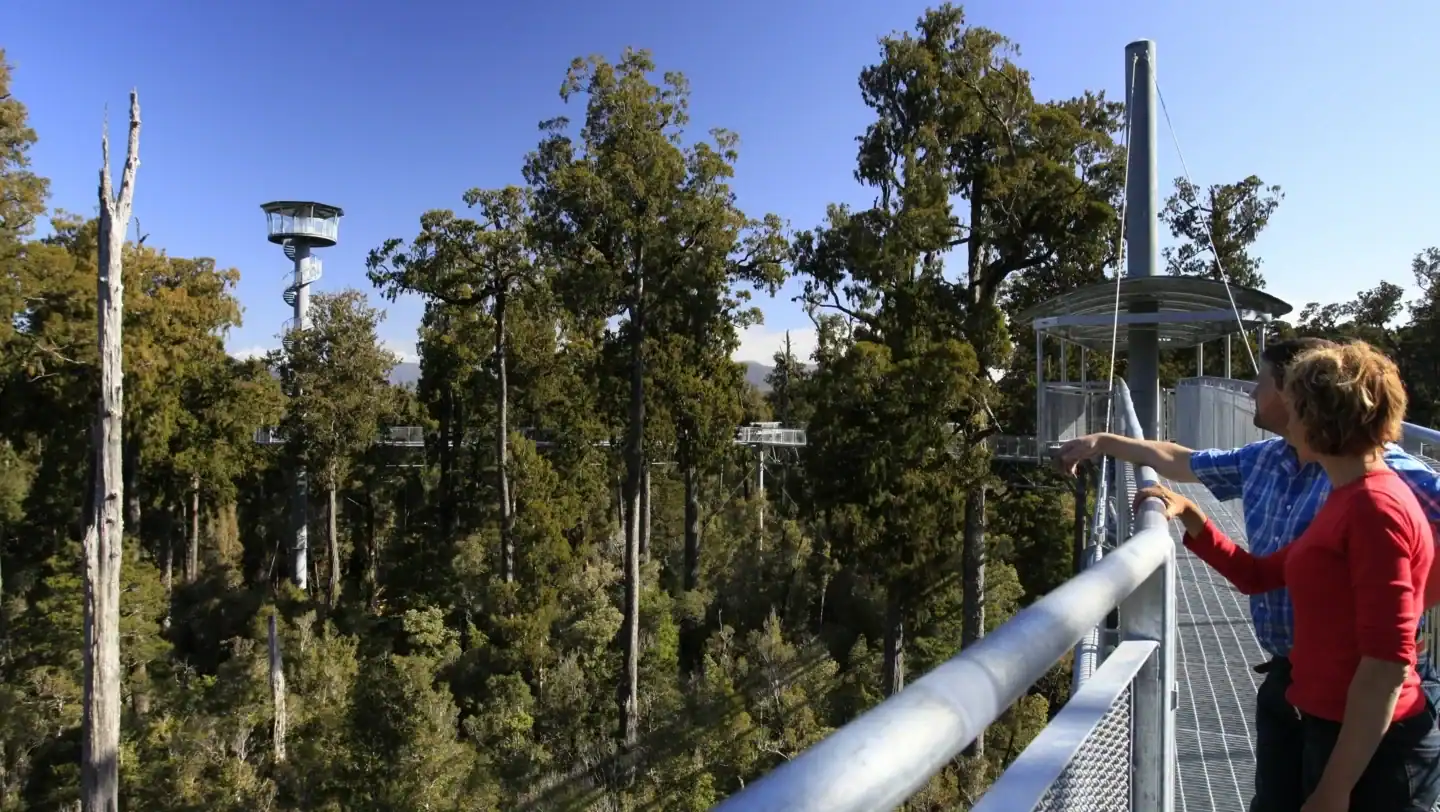
[Image: New Zealand]
The post Auckland, Queenstown and Other Cities Catch the Attention of Different Generations of Travelers Through Seasonal Experiences in New Zealand appeared first on Travel and Tour World























































Comments and Responses
Please login. Only community members can comment.