
















































Machchafushi Discover The Unbelievable Multi-Sensory Luxury Escape Redefining Mindful Eco-Travel In Maldives
-
Wellness, Culinary, Nature & Wildlife, History & Art, Travel
-
-
9 mins
-
Travel and Tour World
-
Upasana Chatterjee
-


Discover Machchafushi, a South Ari Marine Protected Area paradise redefining high-end luxury, marine conservation, and sensory travel in the Maldives.
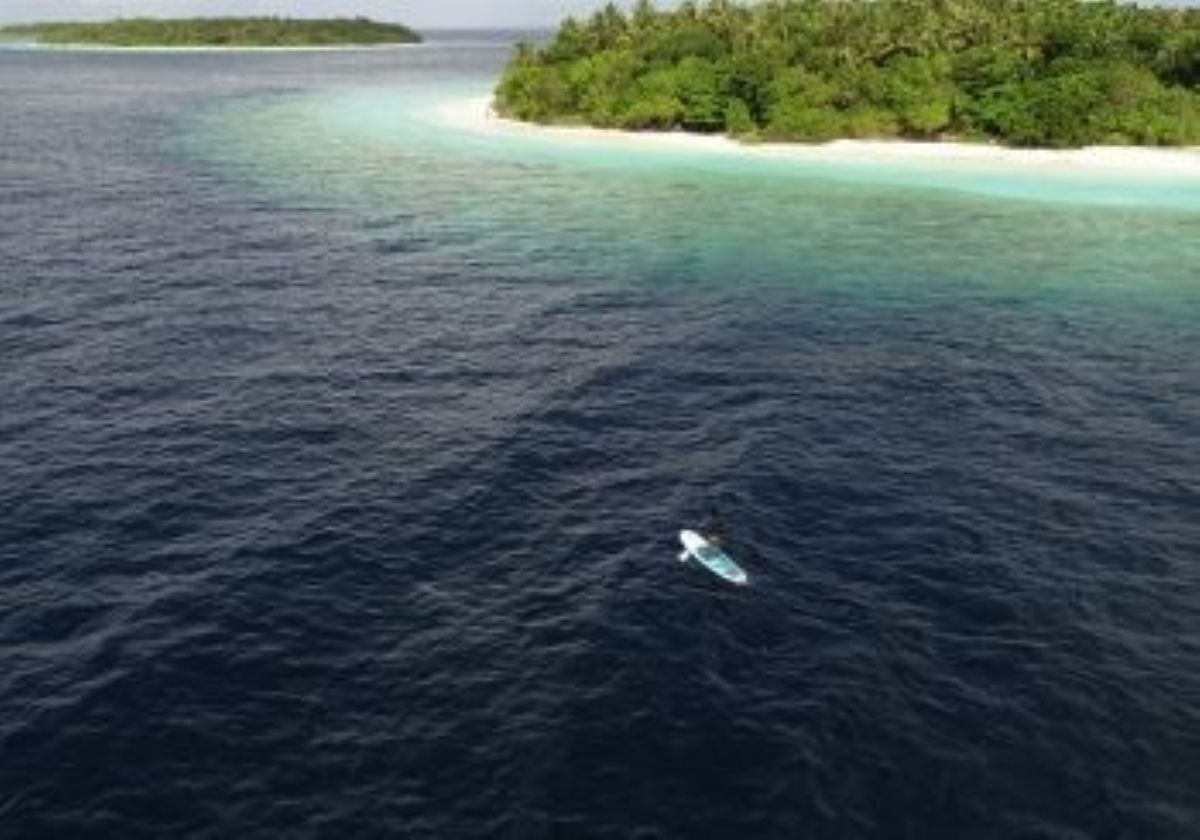
Image Credit tourism.gov.mv
Welcome to Machchafushi! Now you can experience what living in paradise is like. Come unwind and take in the calming ocean and hibiscus smells. Learn the true local name of the Maldives by spotting the fish that School up. As the Tourism industry continues to grow and flourish, so does the need for more resorts. If you are looking for a way to improve your quality of life and lessen your negative impact on the environment by changing your way of life, you have found the right place. Relaxing and unwinding should come naturally, and that’s why we have brought in specialists to help you relearn this skill. You can also learn this skill yourself by dining next to the Banyan trees and taking in the soothing and calming effects of the ocean. After you learn to relax, you will find that it’s always just a stone’s throw away.
Preserving Marine Treasures Across the South Ari Marine Protected Area
Nestled deep within the protected maritime borders of the South Ari Marine Protected Area (SAMPA), the remarkable geographical formation known natively as Machchafushi—which translates directly to “Fish Island” within the traditional Dhivehi dialect—hosts an extraordinarily complex ocean ecosystem. This secluded maritime haven is geographically anchored by a world-renowned, award-winning house reef that covers an expansive underwater footprint measuring fully five times larger than the physical island itself. Within these hyper-clear equatorial waters, over 1,000 distinct species of colorful reef fish flourish alongside more than 200 diverse coral varieties. Furthermore, the famed 52-meter-deep Kudhi Maa shipwreck rests quietly on the seabed, serving as an immensely rich artificial refuge for dense ocean life. Travelers exploring SAMPA regularly experience breathtaking close encounters with gigantic whale sharks and graceful manta rays sweeping through deep ocean currents.
The presence of such staggering marine density radically alters how comprehensive ocean conservation influences the worldwide diving sector. Professional dive operators and nautical expeditions across the globe now design luxury ocean itineraries explicitly around strictly regulated, highly ethical marine encounters. By carefully protecting the thriving ecological colonies that surround the Kudhi Maa wreck, local conservation efforts prove beyond doubt that protected marine ecosystems generate exceptional economic returns when managed through eco-conscious travel protocols.
For international travelers, the rare opportunity to directly observe healthy populations of whale sharks and manta rays moving freely in their natural environment proves truly life-changing. Passionate adventurers willingly cross multiple international time zones precisely to descend into the serene turquoise depths of the Maldives. This surging international curiosity reinforces the critical urgency of marine conservation across global borders, inspiring return travelers to become permanent ambassadors for marine habitat protection inside their home countries.
Honoring Ancient Island Heritage and Sacred Botanical Landmarks
On the terrestrial surface, the resort environment remains deeply anchored in historical custom, indigenous botany, and regional cultural identity. The physical core of the island is dramatically dominated by an iconic, two-century-old Banyan Tree, affectionately termed in the local Dhivehi tongue as the Ummeedhu Tree, a sacred name that translates directly to “Wish Fulfilment.” This massive botanical treasure stands as an enduring silent witness to the island’s historical metamorphosis from an isolated, uninhabited sandbank into a sophisticated, world-renowned sanctuary. The sweeping aerial canopy and deeply embedded root structure of the historic Ummeedhu Tree offer a deeply serene spiritual landmark for visitors searching for quiet introspection during their travels.
Incorporating authentic indigenous botany into luxury guest experiences establishes a powerful master plan for modern cultural tourism worldwide. Vacationers today actively reject synthetic, standardized tourist environments in favor of authentic locations that cherish and preserve real heritage. Resorts that actively honor native flora, traditional architectural design, and local language successfully bridge the gap separating elite luxury hospitality from genuine indigenous heritage preservation.
Globally, conscious tourists show an increasing preference for remote travel spots that safeguard their sacred historical assets and untouched physical landscapes. Taking a quiet moment under the vast shade of the ancient Ummeedhu Tree imparts a profound sense of inner calm to international travelers, leaving a lasting impression that extends far beyond the duration of their trip. This mounting desire for genuine cultural resonance encourages travel companies worldwide to safeguard historic regional sites against aggressive, insensitive commercial overdevelopment.
Orchestrating a Comprehensive Multi-Sensory Blueprint for Future Tourism
The foundational architecture of this groundbreaking island destination relies entirely on a meticulously unified multi-sensory concept. Visual perception is continuously stimulated by dramatic shifts in lagoon lighting and vibrant coral displays, while auditory senses are soothed by gently rolling ocean surf and the profound underwater silence experienced during deep dives. Gastronomic flavors celebrate local oceanic bounty alongside harvested tropical ingredients, whereas tactile sensations and aromatic memories are cultivated through ocean salt breezes and deeply relaxing wellness traditions. By harmoniously fusing these diverse sensory inputs, the location elevates simple holiday leisure into a deeply restorative mental recovery journey.
This comprehensive sensory design model is currently driving a sweeping structural re-evaluation across the entire international luxury hotel industry. Architectural strategists, environmental planners, and hospitality designers worldwide are pivoting away from purely visual aesthetics to build fully integrated, multi-sensorial environments. From bespoke holistic health programs to zero-waste, eco-driven dining operations, luxury travel providers are fundamentally restructuring how guests interact with their immediate physical surroundings.
Ultimately, global travelers reap monumental psychological and physiological benefits when stepping away from hyper-connected modern urban settings to immerse themselves in pristine, sensory-rich natural worlds. Visitors returning home from the Maldives spread an elevated enthusiasm for responsible, mindful travel, driving sustained international demand for eco-friendly resort concepts. This growing global movement guarantees that multi-sensory, environmentally conscious hospitality will represent the single most important defining trend in global luxury travel for years to come.
Revolutionizing Regional Aviation Access Through Direct Seaplane Connections to Isolated Atolls
The ongoing evolution of island transport logistics plays a fundamental role in shaping contemporary long-haul luxury travel, especially when coordinating transfers to secluded destinations like Machchafushi. Located within the breathtaking waters of South Ari Atoll, accessing this private paradise requires an effortless 25-minute aerial flight departing directly from Velana International Airport in Malé. Transportation research indicates that affluent global travelers consistently choose remote destinations that offer swift, stress-free arrival protocols, significantly cutting down on transit exhaustion. This fluid connection between international aviation hubs and calm lagoon waters substantially strengthens the region’s overall market appeal across major European, Middle Eastern, and Asian travel sectors. By providing direct aerial routes above clear equatorial waters, flight operators convert routine transit times into breathtaking scenic tours over expansive coral formations.
Ultimately, these streamlined aviation corridors do far more than simply move visitors from one point to another; they set a new operational benchmark for island destinations worldwide. The inclusion of a swift seaplane transfer links primary airport terminals straight to tranquil lagoon landing sites, servicing exactly 112 luxury villas positioned across coastal beaches and overwater platforms. This efficient transit model achieves a complete elimination of tedious multi-stage boat connections for incoming long-distance arrivals, proving that accessibility and extreme isolation can coexist harmoniously in modern luxury travel.
Measuring Sustainable Micro-Resort Infrastructure Across Overwater and Beachfront Villas
Designing sustainable luxury resorts requires striking a careful equilibrium between overall guest capacity and long-term environmental protection. Across the shores of Machchafushi, a total of 112 upscale villa sanctuaries—ranging from hidden beachfront suites to expansive overwater retreats—are purposefully built to maintain low physical density across the island’s terrestrial acreage. Carefully engineered overwater villas utilize specialized piling systems to prevent damage to delicate sea beds while allowing natural ocean currents to flow freely beneath. From a commercial development perspective, restricting overall villa density safeguards pristine natural seclusion while commanding top-tier daily room rates. This high-yield, low-impact hospitality approach serves as a reliable economic blueprint for environmentally conscious development within vulnerable coastal zones worldwide.
This operational framework demonstrates that high-end hospitality can flourish without increasing room inventory or overdeveloping sensitive shoreline environments. Global resort developers routinely study these structural proportions to maximize personal privacy, elevate guest satisfaction, and secure long-term asset value. By carefully balancing built environments with surrounding aquatic ecosystems, developers protect the very aesthetic assets that attract international travelers in the first place, ensuring long-term commercial viability alongside absolute ecological preservation.
Cultivating Vibrant Artificial Reef Habitats Around the Sunken Kudhi Maa Vessel
The strategic placement of sunken maritime vessels stands out as one of the most successful methods for fostering new marine micro-habitats. Resting at depths ranging between 12 and 30 meters, the famous 52-meter Kudhi Maa shipwreck a Japanese cargo ship intentionally submerged in 1999 has transformed into a thriving underwater biodiversity hub for diverse marine species. Over more than two decades, vibrant hard corals, delicate sea fans, and rare ocean life have completely covered the steel hull, forming a complex protective refuge for underwater wildlife. Marine researchers consistently observe dense schools of glassfish, stonefish, nurse sharks, and swift trevally thriving within the ship’s flooded compartments.
The impressive 52-meter hull length and 8-meter beam create a massive structural foundation for marine colonization, while a 30-meter maximum depth ensures ideal access for certified ocean divers. Over 25 years of continuous coral growth and marine habitat expansion have proven that man-made interventions, when executed with scientific oversight, can significantly enhance local ocean ecosystems. This sunken vessel now serves as both a primary diver attraction and a vital sanctuary for oceanic life, demonstrating how eco-tourism and active marine conservation reinforce one another.
Championing Year-Round Megafauna Protection Within the South Ari Marine Protected Area
The South Ari Marine Protected Area (SAMPA) encompasses roughly 42 square kilometers of protected ocean territory, globally celebrated as a premier refuge for the planet’s largest fish species, the whale shark (Rhincodon typus). Unlike seasonal aggregation points found elsewhere globally, SAMPA provides a rare marine environment where whale sharks can be observed continuously across all twelve months of the year. The constant presence of these giant ocean creatures draws dedicated eco-tourists, ocean researchers, and conservation advocates from around the globe. Strict speed restrictions and carefully monitored excursion rules within the sanctuary shield these filter-feeding giants while generating vital economic returns through eco-friendly tourism.
Consequently, these localized conservation frameworks illustrate how protected marine boundaries directly sustain local island communities and regional hospitality ventures. International conservation agencies frequently highlight SAMPA as an outstanding marine management blueprint that balances environmental preservation with high-end dive tourism. By prioritizing wildlife welfare over unregulated commercial exploitation, the region establishes a sustainable model that protects vulnerable megafauna while elevating the global profile of responsible marine travel.
Restoring Delicate Coral Ecosystems Across an Award-Winning House Reef
The primary biological defense shielding Machchafushi is an award-winning house reef that spans an underwater area roughly five times larger than the physical island itself. Sloping gracefully toward ocean depths between 15 and 20 meters before touching the sandy sea floor, this expansive coral sanctuary hosts over 200 unique coral classifications, including bright blue corals, branching staghorns, and rare Acropora granulosa formations. To safeguard this delicate marine habitat against rising water temperatures, specialized marine conservation teams manage active coral propagation and micro-fragmentation programs. Guests actively participate in frame-planting projects, transforming environmental education into a meaningful, hands-on conservation activity.
This dedicated commitment to reef restoration protects native marine biodiversity while solidifying the destination’s status as a leading eco-luxury sanctuary. Resorts that invest in reef health build essential climate resilience against ocean erosion and powerful storm surges. Furthermore, involving international visitors directly in ecological restoration fosters a deeper emotional connection to the destination, inspiring travelers to advocate for global marine preservation long after their journey concludes.
Integrating Traditional Hydrotherapy Principles Through Specialized Wellness Facilities
Contemporary wellness tourism has evolved past standard spa therapies toward comprehensive, multi-sensory hydrotherapy journeys grounded in traditional Eastern wellness philosophies. The specialized Spa Cenvaree facility on Machchafushi blends classic Thai healing traditions with advanced hydrotherapy techniques, including custom Vichy rain showers, warm plunge baths, and invigorating cold plunge pools. These custom wellness therapies rely on raw, locally sourced botanicals, salt-infused steam chambers, and open-air pavilions surrounded by lush tropical vegetation. Hospitality market analysts note that comprehensive wellness offerings significantly increase average stay durations and non-room spending among international guests.
By providing holistic health programs that complement active water sports like diving and snorkeling, the resort caters directly to the expanding global health market. This dual emphasis on ocean exploration and personal restoration appeals directly to high-net-worth travelers seeking total physical renewal. Ultimately, integrating authentic regional healing arts into modern luxury sanctuaries creates a balanced guest experience that addresses physical health, mental clarity, and spiritual rejuvenation simultaneously.
Cutting Carbon Output Through Advanced Solar Grids and Zero-Plastic Policies
Operating a truly sustainable island sanctuary requires drastically reducing reliance on heavy diesel generators and single-use imported goods. Eco-conscious operational practices at Machchafushi focus on sustainable initiatives, including on-site solar panel networks, advanced sea-water desalination facilities, and a complete ban on single-use plastics across all dining venues. The resort’s specialized glass bottling facility converts desalinated ocean water into pure drinking water for guest rooms and restaurants, eliminating thousands of imported plastic containers every month. Furthermore, organic kitchen waste is systematically composted to nourish the island’s natural soil, feeding native plants and landscaped gardens.
Through these rigorous operational standards, thousands of plastic containers are permanently removed from the waste stream, while desalinated sea water is efficiently purified for all daily island operations and fresh drinking supplies. By enforcing zero single-use plastic straws, utensils, or wrappers anywhere on the island, the destination drastically reduces its ecological footprint. This comprehensive environmental management system demonstrates how remote luxury destinations can maintain top-tier service standards while drastically curtailing carbon emissions and plastic waste.
Honoring Ancient Cultural Foundations Beneath the Sacred Ummeedhu Banyan Tree
Preserving authentic cultural heritage is essential for creating a meaningful sense of place for international visitors. Standing at the center of the island is a historic, 200-year-old Banyan Tree known in the local Dhivehi language as the Ummeedhu Tree, which translates to “Wish Fulfilment.” This towering botanical monument bridges modern luxury travel with ancient island folklore, serving as an enduring symbol of natural resilience and local history.
Guests participate in quiet reflection ceremonies, tying symbolic golden leaves to the tree’s aerial root structures during wellness retreats or cultural gatherings. This timeless practice respects native island history, ensuring that modern luxury hospitality honors and protects regional heritage. Such authentic cultural experiences resonate deeply with modern travelers seeking genuine human connection over artificial luxury. By honoring local heritage alongside cutting-edge conservation, the destination sets an inspiring standard for culturally respectful, sustainable travel worldwide.
The Final Verdict
The images of the seas you passed on your way to Machchafushi are starting to blur as the ocean is reclaiming them. Now you are starting your journey back to the rest of the world, leaving behind that special sense of tranquility. The many islands you visit give you a special sense of peace, and although you leave a piece of your heart on each, you know that the other visitors to this paradise will help you keep it whole. This will always be the special place you visit to see some of the wonders of the underwater world, including the majestic Whalesharks. Here you will also see amazing fish and other sea creatures, along with many land animals and plants. You will fill your soul with a special sense of peace. The sounds of the ocean will not be the same where ever you go, but you will take the special feelings and inner peace the ocean gives you. You can lean on it for a special sense of peace while you journey the world, and it will calm your sadness.
The post Machchafushi Discover The Unbelievable Multi-Sensory Luxury Escape Redefining Mindful Eco-Travel In Maldives appeared first on Travel and Tour World























































Comments and Responses
Please login. Only community members can comment.