
















































Vietnam Forest Tourism Puts Conservation at the Heart of Dong Nai Travel
-
Blogs, Culinary, Nature & Wildlife, History & Art, Travel
-
-
5 mins
-
Travel and Tour World
-
Angana Dutta
-


Dong Nai is connecting forest experiences with conservation goals and local livelihoods. New partnerships and published investment targets outline its ambitions, but what does visitor spending actually support? Explore the plans behind Vietnam’s forest tourism push and the practical questions travellers should ask before booking their next nature escape.
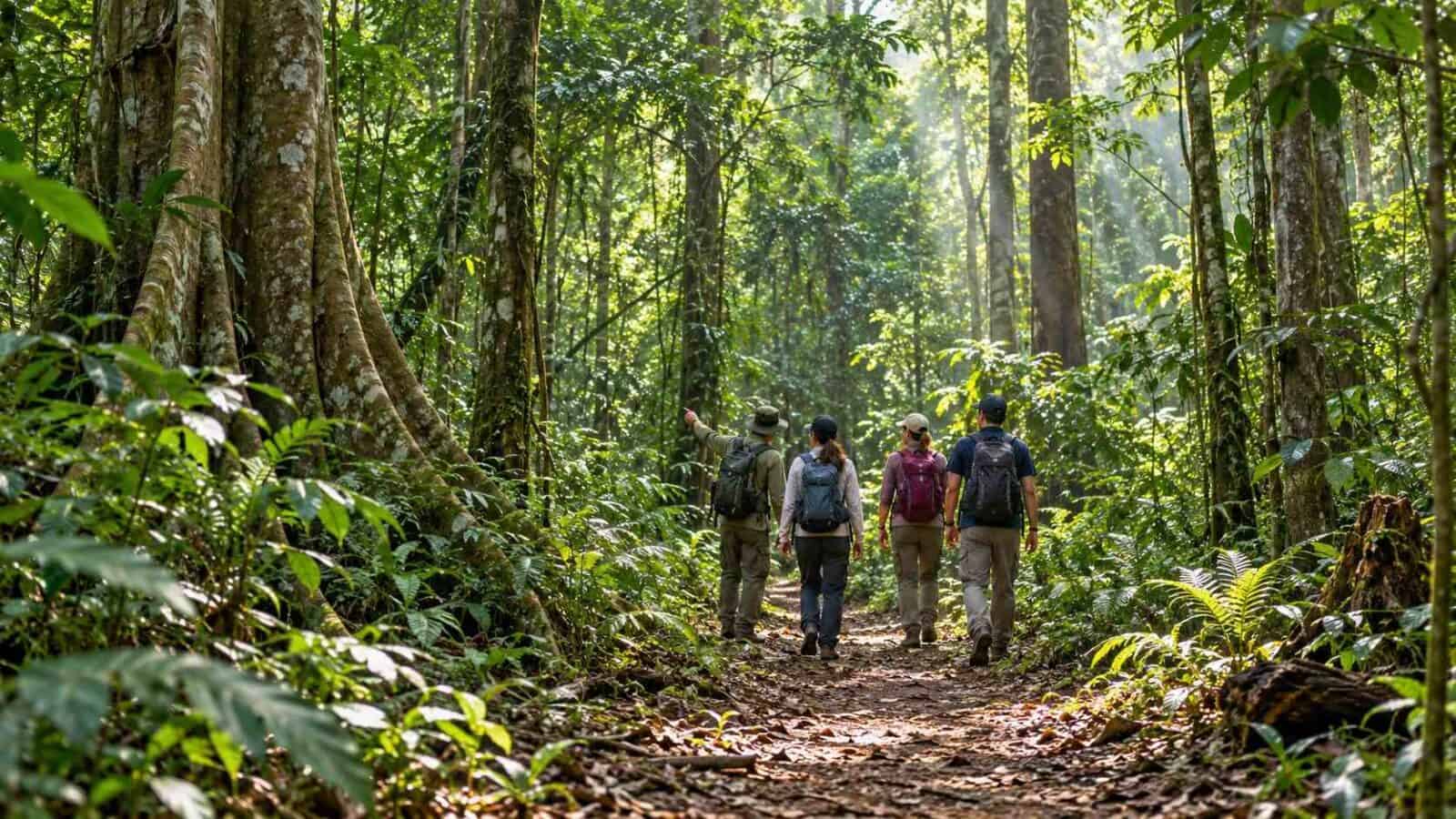
Vietnam forest tourism is putting conservation at the centre of Dong Nai’s development plans, with authorities and operators connecting nature experiences to forest protection and local livelihoods. Throughout 2026, partnerships, investment proposals and an electric vehicle tourism programme have outlined how that ambition could work. For travellers, the opportunity extends beyond walking beneath tropical trees. It involves understanding where holiday spending goes, who benefits and how forests are managed. The important distinction is between published commitments and proven results. Dong Nai’s emerging approach offers a useful window into how destinations can build tourism businesses around protecting the landscapes visitors seek.
Vietnam forest tourism moves beyond the scenery
Dong Nai’s conservation credentials predate its latest tourism initiatives. In June 2024, Cat Tien National Park joined the IUCN Green List of Protected and Conserved Areas, following an assessment supported through the USAID Biodiversity Conservation Activity in Vietnam.
The recognition concerns protected-area governance, management and conservation outcomes. It gives travellers meaningful background when choosing a nature destination, although it should not be interpreted as certification that every commercial tour is carbon neutral.
IUCN’s official announcement establishes that distinction. A well-managed protected area and a verified low-emission holiday require different evidence. IUCN
A partnership connects exploration with protection
On 19 June 2026, the Dong Nai Nature and Culture Reserve signed a memorandum of understanding with Oxalis to research and develop tourism products.
The agreement covers surveys and planning for experiences intended to combine tourism with biodiversity protection, environmental education and sustainable livelihoods. Dong Nai’s official account also identifies ranger-guided forest patrol experiences among the products the company intends to develop.
The government announcement of the partnership describes a development framework. It does not establish that every proposed experience is already available to book. dongnai.gov.vn
The conservation question begins with the booking
The most useful question for visitors is how their payment supports the destination.
Katien Safari, an Oxalis Adventure brand operating at Cat Tien, says its experiences connect tourism with conservation and employment for Ta Lai villagers. Its ranger patrol product offers participation alongside forest protection personnel.
These are operator statements, rather than an independently audited breakdown of each booking. Travellers seeking a measurable contribution should ask what their payment includes, whether conservation support is itemised and which services local residents provide.
That makes responsible travel a purchasing decision with practical questions attached. A forest setting alone cannot explain how income is distributed. Katien Safari
What Dong Nai’s investment targets actually mean
A separate official investment framework concerns the nature and culture reserve. Published on 12 May 2026, it outlines forest-environment leasing and tourism development under an adjusted plan for 2021–2030.
The figures below are targets and planned capacity, rather than achieved performance.
| Indicator | Published position |
|---|---|
| Tourism sites identified | 51 |
| Planned tourism routes | 37 |
| Annual visitors targeted by 2030 | 180,000–220,000 |
| Annual tourism revenue targeted | VND25–35 billion |
| Stable employment targeted | 250–300 workers |
| Intended local share of employment | 70% |
The Dong Nai government’s investment outline also identifies eight priority destinations for development by 2030.
These figures apply to the reserve programme. They should not be presented as Cat Tien’s results or Dong Nai’s total tourism performance. dongnai.gov.vn
Local jobs provide a practical measure of progress
The employment target gives the programme a clear benchmark. Future reporting can compare actual recruitment with the intended local share.
For businesses, the opportunity includes guiding, accommodation, food supply and other visitor services. However, employment totals alone would not explain job quality, seasonal stability or how much tourism income remains within nearby communities.
Tracking wages, training and local purchasing would make community livelihoods easier to assess. It would also help travellers distinguish direct community participation from general destination marketing.
Electric vehicles bring the journey into focus
Dong Nai’s tourism department reported that its September 2026 emission-reduction caravan used 27 electric cars and involved nearly 70 participants.
The journey included forest cycling and trekking, alongside measures addressing single-use plastics and operational waste. Discussions also covered charging infrastructure, investment costs and the difficulty of turning demonstration programmes into regular commercial products.
The announcement provides evidence of activities and vehicles used. It does not publish a complete emissions comparison, so the trip should not be described as a verified net-zero holiday. svhttdl.dongnai.gov.vn
What travellers should check before paying
Ask operators to confirm:
- Which activities are operating on the selected dates.
- Whether guides, transfers and park charges are included.
- How fitness requirements and route conditions affect participation.
- What conservation contributions and local services the booking supports.
These questions matter especially when publicity discusses proposed products alongside operating tours. Written details help visitors understand both the experience and its stated environmental purpose.
Frequently asked questions
Are all proposed forest experiences available now?
No. The reserve partnership includes research and development. Confirm availability directly before arranging travel.
Does Green List recognition mean a holiday is carbon neutral?
No. IUCN recognition addresses protected-area performance. It does not certify the emissions of an individual booking.
How can visitors support local communities?
Ask who provides guiding, accommodation and meals, and whether the operator explains local purchasing and employment.
Conservation remains the measure of success
Dong Nai’s forest tourism plans place conservation, visitor experiences and local employment within the same development framework. That is a meaningful direction, but travellers should distinguish operating products from proposals and targets from results. The next useful evidence will concern conservation funding, local recruitment, visitor management and transparent environmental reporting. For businesses, clear information can make responsible experiences easier to sell. For visitors, careful booking questions can reveal what a holiday supports. Dong Nai’s opportunity lies in making those connections visible, so the value of a forest journey extends beyond the experience itself and reaches the landscapes and communities involved.
Official Sources
- Dong Nai Government Portal: Reserve tourism investment framework
- Dong Nai Government Portal: Oxalis partnership announcement
- IUCN: Cat Tien Green List announcement
The post Vietnam Forest Tourism Puts Conservation at the Heart of Dong Nai Travel appeared first on Travel and Tour World
























































Comments and Responses
Please login. Only community members can comment.