
















































Tourism in Mozambique to Benefit from New Tax Designed to Improve Infrastructure
-
Nature & Wildlife, Travel
-
-
3 mins
-
Travel and Tour World
-
Abhirup Gan
-


Mozambique plans to implement a tourist tax on accommodations to enhance infrastructure, marketing, and double foreign tourist arrivals by 2030.
The recently announced plans for a new accommodation tax, under the recovery and growth economic plan (PRECE), focus on adding new economic dimensions to the tourism sector in Mozambique, in addition to generating funds for the development of infrastructure facilities. The funds captured through the tax will be used to uplift many aspects of Mozambique’s untapped tourism potential: supporting infrastructure development, marketing, and boosting the capability of local tourism enterprises. The revenue generated is ultimately aimed at improving the service Standards of the tourism sector and enhancing the overall skills of the manpower.
The new tax is a result of the government’s decision to shift the economic tax on the entire accommodation sector. In addition to the expected jobs that will be offered in the accommodation sector, the new tourism tax is set to finance many cross-cutting projects that widen the tourism sector, creating even more employment opportunities. The plan stems from the idea that improving the accommodation aspect of tourism is a low-cost, high-revenue activity.
Aside from enhancing the tourism infrastructure, the government plans to use the additional funds to seek additional employment in the tourism industry, both sustainable and unsustainable. Mozambique’s tourism is expected to have a multiplier effect, expanding to other sectors such as transportation, the sale of goods, and other small local businesses. The government intends to provide improved employment opportunities so as to stimulate economic development and raise the overall standard of living in the country.
Mozambique’s Goals For the Growing Tourism Sector
The tourism levy which is part of the larger set of initiatives to expand the tourism sector is also part the government of Mozambique’s plans. They intend to raise the sector’s direct contribution towards the country’s GDP from the current 1.1% to 5% by the year 2030. There is also the additional intention to make a significant increase in the amount of money spent per tourist from 125 dollars to over 500 dollars, which will increase the overall tourism income significantly.
The government aims to enhance marketing and tourism initiatives, simultaneously targeting to increase annual foreign tourism revenue from USD 62.5 million to USD 500 million. These bold objectives, in conjunction with the Mozambique National Tourism Strategy, aims to position the nation as one of Africa’s premier destinations for business and leisure travel.
The tourism levy should enhance Mozambique’s image in the global tourism market, with the potential to pull in regional, European, Asian, and American travelers as well. Improvement of the tourism infrastructure, such as hotels, resorts, and transportation systems, would ensure Mozambique is an attractive and accessible holiday destination, fostering repeat visits and long-term tourism loyalty.
Investment In Marketing And Infrastructure
Mozambique currently spends about USD 350,000 each year marketing tourism. This is almost negligible in comparison to other countries in Africa, such as South Africa, which earmarks USD 60 million annually for tourism promotion. These funds should allow the government to mark Mozambique as one of Africa’s premier tourism destinations.
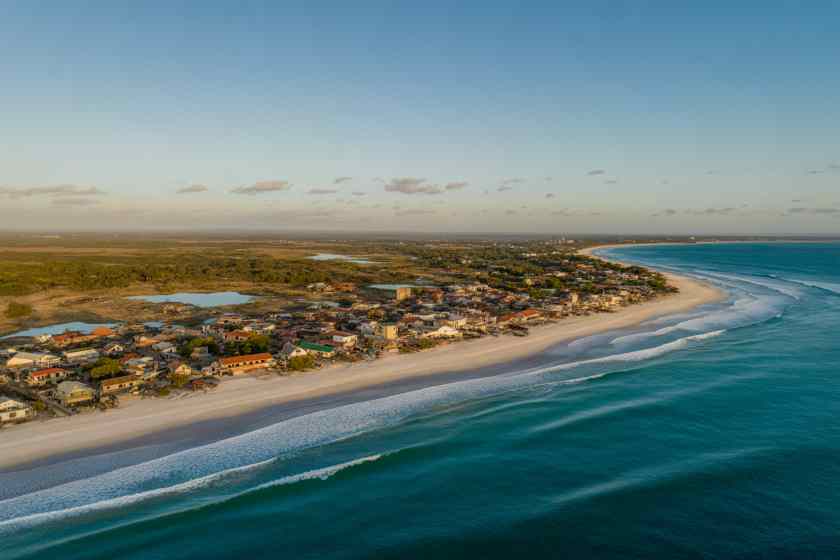
Increased spending in the marketing budget will allow the country to promote its attractions effectiveness to international markets. Mozambique offers beautiful landscapes with pristine beaches along the Indian Ocean, unique wildlife, and a cultural richness in its cities, such as Maputo, the capital, and Pemba, the coastal city. The revenue from the tourism levy will also develop marketing strategies to promote Mozambique’s rich diversity and tourism outlets that are not well known, such as Gorongosa National Park, the Bazaruto Archipelago, and the Quirimbas Archipelago.
Furthermore, the revenue from the levy will assist to upgrade the country’s tourism infrastructure. The main focus will be on the construction and integration of transportation networks and public services in the remote and popular sites. Mozambique intends to upgrade and expand its infrastructure to accessible and attract tourists within Africa and from other global destinations.
Plans for Expansion: Cross-border Collaboration and Financing
In addition to enhancing local tourism, the new tourism levy will help encourage cross-border collaboration. Within the framework of the SADC, the increased regional cooperation around tourism will be of great benefit to Mozambique. The government intends to partner more deeply with South Africa, Zimbabwe, and Tanzania to help design cross-border, multi-destination itineraries that promote travel to Mozambique and the surrounding region.
In addition, the success of the tourism levy will encourage investment in Mozambique’s tourism to promote international collaboration. The government’s aim to position Mozambique more competitively in Southern Africa will attract long-haul operators and international hotel chains to invest and set up in Mozambique.
Conclusion: A Bright Future for Mozambique’s Tourism Sector
The implementation of new tourism levies is a key component for Mozambique’s goal in expanding and diversifying its tourism market. Range of activities, including improving tourism infrastructure, developing marketing, providing employment opportunities, and improving job opportunities, all contribute to Mozambique’s long-term viability and sustainability in this industry. Mozambique is investing in both local crafts and its natural treasures, aiming to position itself firmly on Africa’s tourism map.
In parallel to this reality, Mozambique’s planned investment in tourism infrastructure comes at a ripe time when the global tourism industry is on a recovery trajectory. Mozambique’s engagement in this sector offers disproportionate rewards in return. The new tourism levy, for example, is but one of many investments that will strategically position the country for the long-term.
The post Tourism in Mozambique to Benefit from New Tax Designed to Improve Infrastructure appeared first on Travel and Tour World














































Comments and Responses
Please login. Only community members can comment.