
















































Thailand Implements Major Transport Reforms to Enhance Safety and Transparency for Tourists and Locals
-
History & Art, Travel
-
-
4 mins
-
Travel and Tour World
-
Poulomi Sinha
-

Thailand transport reforms focus on safety, transparency, and efficiency, benefiting both locals and tourists with new digital taxi meters and regulations.
The Department of Land Transport (DLT) in Thailand has announced a series of ambitious reforms aimed at modernising the nation’s public transportation system and enhancing safety, openness, and equity for both residents and visitors. On October 17, 2025, the Deputy Transport Minister announced these changes, which mark a major advancement in Thailand’s public transportation system’s modernisation. The DLT plans to launch a number of “Quick Win” projects over the coming months, which should have an almost immediate positive impact on the general public.
Technological Integration in Traditional Taxi Services
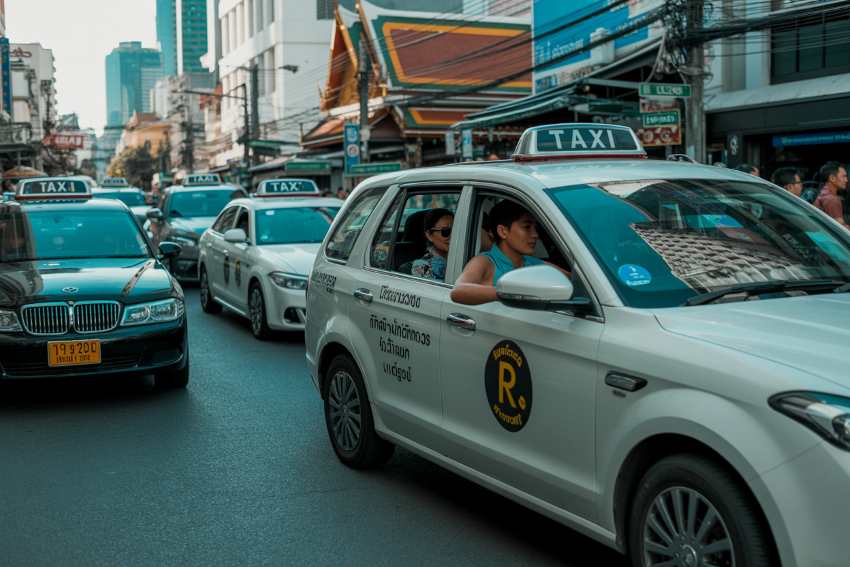
A key component of the reform plan is the integration of technology into Thailand’s traditional taxi services. The government has outlined plans to introduce a digital taxi meter system that incorporates GPS technology. This system is designed to calculate fares based on various factors, such as distance, travel time, and current fuel prices, while maintaining the existing base fare of 35 baht. Peak-hour surcharges ranging from 10 to 20 baht are also expected to be introduced during the busy morning and evening hours, as well as after 9 PM.
The introduction of the digital meter system aims to address the common issue of taxi drivers refusing passengers, particularly in tourist-heavy areas like Bangkok, Phuket, and Pattaya. These areas have long been plagued by complaints from tourists regarding unfair practices by taxi drivers. The DLT’s new initiative seeks to standardise the fare calculation process, ensuring that passengers are charged fairly and that drivers receive adequate compensation for their services.
In addition, the government is focusing on making the process more transparent for visitors. The new digital system, which will help in reducing disputes and ensuring fairness, is expected to benefit both tourists and locals by providing a more reliable and consistent taxi service. The DLT’s reforms also extend to increasing transparency in ride-hailing services, as 15 different ride-hailing apps currently operate in Thailand. The DLT plans to centralise these services to make it easier for passengers to access and use these platforms efficiently.
Reforms Addressing Long-Term Sustainability and Safety
The DLT’s reforms go beyond just improving taxi services. A significant part of the plan is focused on improving safety for both passengers and drivers. As part of the broader changes, the government plans to implement GPS-based two-way tracking for all vehicles operating on digital platforms. This technology will be utilised for enhanced safety compliance, ensuring that both drivers and passengers are protected throughout their journeys.
Further steps have been outlined for vehicle inspection stations across Thailand, which will begin using CCTV and AI technology to conduct more accurate safety checks. These modern technologies will allow for more reliable and efficient inspections of vehicles, ensuring that they meet safety standards. In addition, training programmes will be rolled out for large vehicle drivers, with a goal of training 10,000 drivers to improve their professionalism and enhance passenger safety.
E-Medical Certificates and Other Safety Features
Another significant reform introduced by the DLT involves the digitalisation of medical certificates for drivers. E-medical certificates will be required for all drivers operating vehicles on public transport and ride-hailing platforms. This initiative aims to ensure that only drivers who are physically fit and able to perform their duties are allowed to operate vehicles, contributing to overall safety on the roads.
Additionally, the government is placing a strong emphasis on addressing the safety concerns of foreign tourists. Many tourists visiting Thailand in recent years have fallen victim to scams and overcharging by unregulated taxi drivers, particularly in tourist-heavy areas. The new reforms, including the introduction of the digital taxi meter and GPS tracking, are expected to provide more reliable and transparent services. This will not only improve the experience for international visitors but also enhance Thailand’s reputation as a safe and fair destination for travellers.
Long-Term “Big Win” Initiatives
Looking further ahead, the DLT’s reforms are not limited to short-term changes. The government has outlined a series of long-term initiatives, known as the “Big Win” initiatives, which will be implemented over the coming years. These initiatives focus on modernising the entire transport infrastructure in Thailand. They include public-private partnerships aimed at developing logistics hubs, enhancing cross-border transport facilities, and expanding electric bus services with fair pricing.
A National Transport Safety Board is also set to be established as part of these long-term plans, helping to foster a culture of safety across the country. This will play a key role in addressing the safety concerns of both local and international travellers, ensuring that the transportation system remains secure and reliable.
Tourism and Transport Synergy
The DLT’s reforms are also expected to have a significant positive impact on tourism in Thailand. By tackling long-standing issues such as taxi fare disputes and improving the safety and efficiency of public transport systems, the government aims to enhance the overall travel experience for visitors. The introduction of transparent and fair taxi services is likely to encourage more tourists to visit, knowing that they can rely on safe and affordable transport options.
Tourism is a vital part of Thailand’s economy, and these reforms are expected to strengthen the country’s position as a top travel destination in Southeast Asia. As the government continues to roll out its reforms, it will work to ensure that Thailand’s transport services not only meet the needs of the local population but also cater to the growing number of international visitors.
A Path Towards Sustainable and Safe Transport
In summary, the DLT’s reforms mark a major advancement in the transformation of Thailand’s transportation infrastructure. The government is attempting to establish a more effective and transparent transportation environment by incorporating contemporary technology, enhancing safety procedures, and resolving long-standing problems. Both residents and visitors are anticipated to gain from these adjustments, guaranteeing Thailand’s continued popularity and safety as a travel destination for many years to come.
The deployment of “Quick Win” initiatives is anticipated to result in immediate improvements, and the DLT has set ambitious goals for the upcoming months. There are already longer-term “Big Win” projects underway with the goal of updating the entire transportation system. Both locals and the millions of tourists who travel to Thailand each year stand to gain from the country’s public transportation system becoming more effective, equitable, and secure as these reforms take shape.
Thailand’s transport reforms, which prioritize technological integration, safety, and transparency, have the potential to transform the way both residents and visitors use the nation’s transportation system by increasing the effectiveness, safety, and transparency of domestic travel.
The post Thailand Implements Major Transport Reforms to Enhance Safety and Transparency for Tourists and Locals appeared first on Travel and Tour World














































Comments and Responses
Please login. Only community members can comment.