
















































Sixth International Ancient Capitals Forum in Luoyang Focuses on Sustainable Development, Blending Their Cultural Preservation with Tourism Growth
-
History & Art, Travel
-
-
5 mins
-
Travel and Tour World
-
Gishan Das
-


At the 6th International Ancient Capitals Forum in Luoyang, experts discuss the sustainable development of ancient cities, combining cultural preservation with tourism growth.
The 6th International Ancient Capitals Forum was opened on October 17, 2025, in Luoyang, Henan Province, China. The forum gathered more than 150 participants consisting of government officials, experts, and scholars from 30 nations such as the United Kingdom, France, the United States, Brazil, Egypt, Jordan, Cambodia, Singapore, and Thailand. The main objective of the forum is to find out how ancient capitals can adopt sustainable development without compromising their cultural heritage and with economic returns through tourism and creative industries.
Sustainable Development and the Role of Ancient Capitals in Modern Tourism
This year’s theme, “Ancient Capitals • New Vitality: Sustainable Development of Global Ancient Capital Cities”, offers a comprehensive look at how historical cities can adapt to the needs of the modern world without compromising their cultural identity. The forum’s two key sub-topics—Urban Renewal and Cultural Inheritance in Ancient Capitals and Industrial Development and New Economic Drivers in Ancient Capitals—address the balance between preserving historic landmarks and fostering economic growth. These discussions are crucial as tourism becomes one of the primary economic drivers for many ancient cities, and the need for sustainable tourism practices continues to grow.
The forum provides a platform for cities across the world to share best practices for cultural tourism development. For Luoyang, as an ancient capital and a key stop on the Silk Road, the opportunity to showcase its cultural richness while developing new tourism experiences is a priority. The city has already implemented successful initiatives in heritage protection and tourism infrastructure, offering a model for other ancient cities to follow.
Luoyang’s Role as a Cultural Tourism Hub in the Eastern Mediterranean
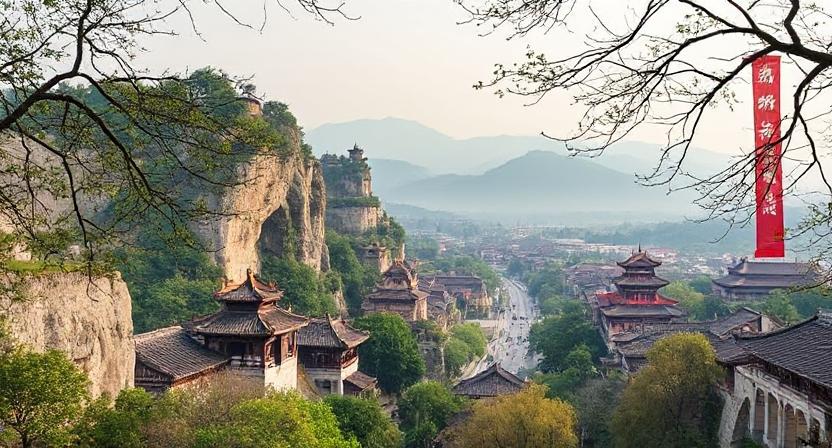
Luoyang, a city with a history stretching back more than 2,000 years, is often regarded as one of the cradles of Chinese civilization. The city’s historical sites, such as the Longmen Grottoes, a UNESCO World Heritage site, and the Luoyi Ancient City, are major tourist attractions that draw millions of visitors annually. The 6th International Ancient Capitals Forum provides an opportunity for Luoyang to share its successful tourism strategies with the world. In recent years, Luoyang has focused on integrating tourism with urban development, ensuring that cultural heritage remains at the forefront of the city’s tourism offerings while facilitating modern growth.
Tourism has become a critical component of Luoyang’s economic strategy, and its cultural tourism model is one that balances preserving historical sites with developing modern tourism infrastructure. Visitors to the city can enjoy the ancient temples, cultural events, and historic landmarks while exploring the city’s modern amenities, from luxury hotels to transportation hubs. This integrated approach has helped Luoyang maintain its cultural significance while embracing economic modernization through tourism.
Cultural Heritage Preservation and the Growth of Sustainable Tourism
One of the highlights of the forum was the cultural heritage activities organized for attendees. The event showcased Luoyang’s traditional arts and crafts, such as palace lanterns, Luoyang embroidery, pressed peony flowers, and Tang Dynasty fried tea. These activities not only celebrated Luoyang’s craftsmanship but also emphasized the role of cultural tourism in preserving local traditions while offering tourists authentic experiences.
Tourists visiting Luoyang can engage in a variety of cultural experiences, including workshops on ancient crafts and visits to historical sites like the Longmen Grottoes and Yingtianmen Scenic Area. The city’s focus on cultural preservation has transformed Luoyang into a key cultural tourism hub in China and an important destination for travelers interested in heritage tourism.
By promoting cultural tourism in a sustainable way, Luoyang is proving that historic cities can be both economic assets and cultural treasures, benefiting from tourism while maintaining the integrity of their historical sites. The integration of eco-tourism, wellness retreats, and local handicrafts further bolsters the region’s appeal, ensuring a long-term, sustainable tourism model.
Luoyang’s Innovative Tourism Pathways: Collaboration and Global Cooperation
The forum also highlighted the importance of global cooperation to ensure the sustainable development of ancient capitals. By collaborating with other ancient cities around the world, Luoyang is helping shape the future of cultural tourism and urban renewal. The International Ancient Capitals Forum has become a critical platform for exchanging knowledge, fostering cultural diplomacy, and exploring innovative solutions to modern challenges facing ancient cities.
This collaboration will also pave the way for multi-destination tourism opportunities, where travelers can experience the best of both historic cities and modern destinations. The forum encourages cities to build stronger regional tourism networks, ensuring that tourism becomes a force for economic development, social progress, and cultural exchange. The Southeast Asian and European markets, in particular, are likely to benefit from these connections, as tourists have the opportunity to experience the rich history of cities like Luoyang alongside the modern developments of other regional capitals.
Future Directions: Strengthening Global Tourism Partnerships
Looking to the future, the International Ancient Capitals Forum is set to continue its work in developing sustainable tourism strategies for ancient cities globally. The forum’s emphasis on collaboration, cultural exchange, and innovation ensures that the development of ancient capitals does not come at the cost of their cultural integrity. The growing role of digital technologies, such as virtual tours and smart tourism solutions, will further enhance tourists’ experiences, making these cultural gems more accessible to a global audience.
By focusing on sustainable practices, cultural preservation, and economic growth, the forum aims to create lasting solutions for cities worldwide, ensuring that heritage tourism contributes to the long-term prosperity of both the cultural and economic sectors. The continued success of Luoyang and its focus on blending modernity with heritage provides a model for future development for other ancient capitals around the globe.
A Future of Cultural and Sustainable Tourism
The 6th International Ancient Capitals Forum in Luoyang has been able to bring together governments, tourism leaders, and experts to engage in debates regarding sustainable tourism, cultural heritage protection, and regional economic development. As cities across the globe deal with the double challenge of protecting their heritage and economically developing, what happens at the forum will define the future of tourism in ancient capitals.
By concentrating on new tourism approaches, Luoyang is not only continuing its heritage but also designing a future where cultural tourism translates into economic progress without undermining the cultural integrity of historic cities. In this moderation of preservation and development, ancient capitals can be assured of continuing as cultural riches and international tourist destinations for years to come.
The post Sixth International Ancient Capitals Forum in Luoyang Focuses on Sustainable Development, Blending Their Cultural Preservation with Tourism Growth appeared first on Travel and Tour World














































Comments and Responses
Please login. Only community members can comment.