
















































Saudi Arabia Leads GCC’s Push into the Global Sports Tourism Market, Here’s All You Need to Know
-
Wellness, History & Art, Shopping, Travel
-
-
4 mins
-
Travel and Tour World
-
Moulina Dhara
-


The GCC is set to capture a share of the $2 trillion global sports tourism market by 2030, with plans for immersive fan experiences and regional collaboration.
By 2030, the Gulf Cooperation Council expects to attract a meaningful share of the $2 trillion global sports tourism market. The region aims to expand its rapidly developing sports industry to enhance economic diversification, generate employment, and increase economic prominence. In the report “Game on for the GCC – Turning Sporting Ambition into Lasting Tourism Impact” by PwC Middle East, the region documents its intention to build on its capabilities for hosting high-profile sporting occasions in the region, developing sustained tourism value on the nexus between tourism and sport to shape future industry growth in the region.
GCC’s Success in Hosting Global Sporting Events
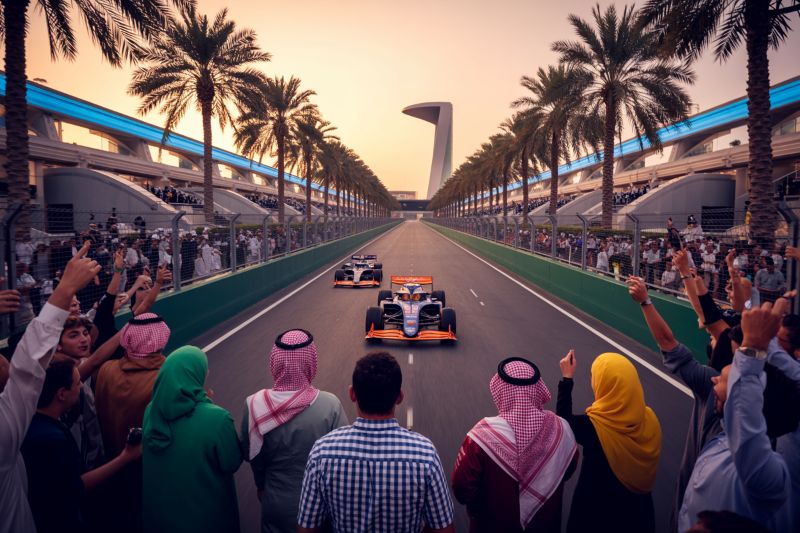
In recent years, the GCC countries have firmly established themselves as hosts for some of the world’s most prestigious sporting events. The 2022 FIFA World Cup in Qatar and the numerous Formula 1 race weekends across the region have significantly elevated the GCC’s global profile. These events have showcased the region’s ability to organise and host major international tournaments, bringing global attention to its cities and infrastructure.
This growing reputation is already providing substantial returns, with Saudi Arabia’s sports market expected to triple to $22.4 billion by 2030. This growth is set to create 39,000 jobs and add a significant $13.3 billion to the country’s GDP. However, the next phase of growth for the GCC lies not only in hosting sporting events but also in converting these events into year-round tourism experiences, attracting visitors throughout the year and beyond individual tournaments.
The Expanding Role of Sports Tourism in the Global Economy
Globally, sports tourism now accounts for approximately 10% of total tourism spending, a figure projected to exceed $2 trillion by 2030. This market is growing at an impressive compound annual growth rate of 17.5%, with the Middle East’s sports sector contributing an estimated $600 billion and growing at a rate of nearly 9% annually.
The burgeoning sports tourism market presents an unparalleled opportunity for the GCC to build on its success. The region is currently estimated to capture only 5-7% of the global sports tourism spend, leaving significant room for growth and potential. With this in mind, the GCC is focusing on expanding its tourism offerings beyond major sporting events, creating immersive and experience-led destinations that appeal to sports tourists year-round.
Three Key Priorities for GCC’s Sports Tourism Growth
To tap into this massive potential, PwC’s research outlines three core priorities that will define the next phase of growth for sports tourism in the GCC:
- Designing Experience-Led Sports Destinations
The GCC aims to build destinations that seamlessly blend sports, retail, leisure, and culture. These destinations will be designed to encourage longer stays and higher visitor spending. By integrating multiple aspects of tourism, from sports events to cultural experiences and shopping, the region will offer a complete package for tourists, making it an attractive option for longer-term stays. This approach goes beyond just attracting visitors to sporting events and focuses on creating all-encompassing destinations that can host tourists throughout the year.
- Enhancing Immersive Fan Engagement
To maintain the interest of global sports tourists, the GCC will focus on enhancing fan engagement through digital innovation and storytelling. By leveraging digital platforms, the region can offer multi-day festivals, interactive experiences, and cultural integration, allowing tourists to become active participants in the experience rather than passive observers. This digital shift will be crucial in keeping fans engaged, creating a stronger connection between visitors and the destination, and encouraging repeat visits.
- Building a Connected Regional Sports Tourism Ecosystem
Creating a connected sports tourism ecosystem across the GCC is vital for facilitating seamless travel between countries in the region. By simplifying cross-border travel and unifying marketing efforts, the region can offer a more streamlined and cohesive tourism experience. This interconnected network will help maintain a constant flow of visitors, attracting not only those coming for specific events but also those visiting for leisure and other sports-related experiences.
The Impact of Sports Tourism on GCC’s Travel and Tourism Sector
The shift towards a year-round sports tourism model is expected to have a significant impact on the travel and tourism industry in the GCC. By diversifying the tourism offering and focusing on immersive, experience-driven destinations, the region will attract a new wave of travellers. For tourists, this means access to a broader range of activities and experiences that go beyond the standard sporting events. Whether it’s attending a festival, exploring retail opportunities, or engaging in wellness tourism, visitors will have much more to look forward to than just one-time events.
The expansion of sports tourism also opens new opportunities for hotel and infrastructure development. With more tourists visiting year-round, the demand for accommodation, transport, and services will increase, prompting more investment in the region’s tourism infrastructure. This, in turn, will create job opportunities and economic benefits for local communities, boosting the overall economy of the GCC countries.
Investment in Women’s Sports and Workforce Development
The report highlights the importance of expanding investments in women’s sports, sports leisure activities, and workforce development. As the region continues to grow as a global sports hub, investing in these areas will ensure that the benefits of sports tourism are felt across all sectors of society. Women’s sports, in particular, represent an untapped market with immense potential for growth. By encouraging more participation in women’s sports and ensuring equal opportunities for all, the GCC can tap into a wider audience and further diversify its sports tourism offering.
In addition to these investments, the region is focusing on maximising the use of existing venues to ensure that their impact is extended beyond flagship events. By hosting smaller, niche events throughout the year, the region can maintain a steady stream of tourists while also promoting the long-term sustainability of its sports tourism sector.
Digital Innovation and Youth Engagement in Sports Tourism
With over 60% of the region’s population under the age of 35, the younger demographic plays a crucial role in shaping the future of sports tourism in the GCC. To cater to this audience, digital innovation and youth engagement are key factors. By leveraging social media, digital platforms, and virtual experiences, the region can attract a tech-savvy generation of travellers eager to participate in sports tourism in new and innovative ways.
A Thriving Future for GCC Sports Tourism
There is very optimistic potential future for sports tourism in the Gulf Cooperation Council. Due to the intentional focus on sports tourism development through improved sports tourism facilities and acknowledgment of fan stimulation and enjoyment through value added services and a value tourism intertwined GCC region for the sports tourism value for the 2.93 trillion dollar tourism value on a forecast for 2030 implementation on the tourism in the GCC globalization value and socioeconomics makes the GCC forecast to be a immense country in tourism value on globalization. The GCC focus on sports tourism allows for the marketing integration globalization focus on sports and interrelation tourism in the value and global economy.
The post Saudi Arabia Leads GCC’s Push into the Global Sports Tourism Market, Here’s All You Need to Know appeared first on Travel and Tour World
























































Comments and Responses
Please login. Only community members can comment.