
















































Malaysia Aims to Become Regional Hub for Sports Technology and Tourism, Boosting the Economic Growth with New Sports Tourism Initiatives and ASEAN Collaborations
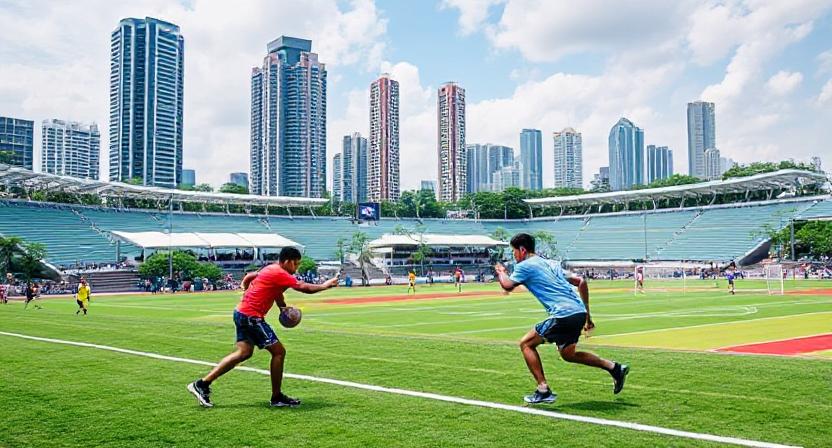
-
Wellness, Travel
-
-
4 mins
-
Travel and Tour World
-
Gishan Das
-

Malaysia targets becoming a regional hub for sports technology and tourism, driving economic growth by new sports tourism initiatives and ASEAN collaborations.
Malaysia is boldly positioning itself as a central regional sporting technology and sports tourism hub, and is firmly committed to using the influence of sport as a stimulus for economic development and cultural exchange. Deputy Prime Minister Datuk Seri Dr Ahmad Zahid Hamidi made the vision clear while speaking at the ASEAN Sports Industry Expo 2025, where he mapped out Malaysia’s intention of strengthening its sports industry to become a powerhouse that will encourage innovation as well as tourism development. This plan supports the nation’s “Big Impact, Act Fast” initiative, aimed at generating long-term value by way of strategic partnerships and investments in the ASEAN and global platforms.
Sports Technology and Innovation: The Future of Malaysia’s Tourism Sector
At the core of Malaysia’s ambition is the desire to harness sports technology as a critical component of its tourism offerings. By integrating sports innovation into its tourism sector, Malaysia aims to attract high-value visitors who are interested in more than just traditional sightseeing. The sports tourism sector has grown rapidly in recent years, with travelers increasingly seeking experiential tourism that includes active leisure, fitness retreats, and competitive events.
Malaysia’s focus on sports technology will support its efforts to become a leading destination for sports tourism in Southeast Asia. Investments in robotic surgery, AI-powered fitness platforms, and smart tourism solutions are expected to enhance the visitor experience, enabling tourists to interact with the destination in new and engaging ways. Malaysia is also positioning itself to be a leader in sports data analysis and digital health technologies, all of which are becoming important drivers of global sports tourism.
Tourism Authority of Malaysia’s Vision for Sports Tourism
Through strategic initiatives, such as partnerships with international sports federations, sporting event hosting, and the creation of world-class sports facilities, Malaysia is positioning itself as a premier destination for sports tourism. The government is working closely with the Tourism Authority of Malaysia (TAT) and private sector partners to foster sports tourism that is accessible, affordable, and sustainable. This aligns with broader tourism goals, where wellness tourism, adventure tourism, and sports-focused travel continue to rise as significant segments of global tourism.
Sports Tourism as a Key Pillar of Malaysia’s Economic Strategy
The value of sports tourism extends beyond simply attracting international visitors to sporting events; it brings economic benefits through spending on accommodations, travel, hospitality services, and local businesses. Malaysia is set to benefit greatly from major international sporting events such as the SEA Games, Asian Games, and various world championship events that will continue to draw athletes and spectators from across the globe.
Sports tourism is already a key component of Malaysia’s tourism strategy, with the country hosting several high-profile events including Formula 1, motor racing, and golf tournaments. These events bring in thousands of international tourists, supporting the local economy and creating opportunities for local businesses to thrive.
For example, the Formula 1 Grand Prix in Sepang continues to draw visitors from around the world, generating substantial tourism revenue and highlighting Malaysia’s ability to host world-class sporting events. Similarly, golf tourism is growing in Malaysia, with the country’s luxury resorts and golf courses attracting affluent tourists seeking a mix of relaxation, sport, and cultural experiences.
Building Infrastructure to Support Sports Tourism
One of the key pillars for Malaysia’s sports tourism growth is the continued investment in infrastructure. The government is making significant investments in state-of-the-art sports facilities, stadiums, and multi-use venues that can accommodate both international sports events and tourism demand. The construction of new sports complexes and training facilities will enhance the appeal of Malaysia for sports teams, athletes, and sports tourists seeking top-tier destinations for training, competitions, and recreational sports.
Hotels and accommodation providers in the country are also adapting to cater to the growing demand for sports tourism. Many hotels are now offering special packages for sports travelers, including wellness services, fitness programs, and recovery treatments, making it easier for tourists to maintain an active and healthy lifestyle while traveling.
Regional Collaboration: Leveraging ASEAN’s Sports Tourism Potential
Malaysia’s commitment to enhancing sports tourism is aligned with the broader vision of ASEAN as a rising powerhouse in the global sports economy. The region is uniquely positioned to become a hub for sports tourism, with a growing youth population, an increasing interest in fitness, and major sporting events hosted regularly. As part of the ASEAN region’s broader strategy to integrate sports and tourism, Malaysia is collaborating with neighboring countries to host multi-country sports events and build tourism infrastructure that can accommodate regional travelers.
ASEAN’s combined population of over 680 million offers immense potential for sports tourism to grow rapidly. By sharing knowledge, expertise, and resources across the region, countries like Thailand, Vietnam, and Indonesia are also looking to bolster their sports tourism offerings, creating a cohesive and competitive environment in Southeast Asia. This will enable ASEAN to position itself as a global leader in sports tourism, where travelers can easily access diverse sports events and experiences across multiple countries.
The Future of Sports Tourism in Malaysia: Innovation and Sustainability
Looking ahead, the future of sports tourism in Malaysia will be shaped by innovation, technology, and sustainability. The country is committed to creating sustainable sports tourism experiences that minimize environmental impact while enhancing the visitor experience. Efforts will focus on promoting eco-friendly sports tourism, such as sustainable resorts, green sports events, and promoting active travel that encourages healthy, active lifestyles while respecting the environment.
Additionally, the ongoing integration of technology into the tourism experience—such as virtual tours of sports venues, mobile applications for seamless event access, and AI-driven fitness tracking for tourists—will continue to elevate Malaysia’s appeal to the next-generation sports traveler.
A Promising Future for Sports Tourism in Malaysia
With its proven cultural richness, world-class facilities, and drive for innovation, Malaysia stands poised to become a top global sports tourism destination. Through its investments in sports technology, infrastructure, and youth development, the nation is building a future where sports tourism not only fuels economic growth but also reinforces its image as a vibrant and dynamic vacation destination. As demand for sports experiences globally keeps on rising, Malaysia’s strategic efforts will make it a prominent force in Southeast Asia’s sporting tourism industry.
The post Malaysia Aims to Become Regional Hub for Sports Technology and Tourism, Boosting the Economic Growth with New Sports Tourism Initiatives and ASEAN Collaborations appeared first on Travel and Tour World
























































Comments and Responses
Please login. Only community members can comment.