
















































Kauledanda in Palpa, Nepal: How a Community Forest Transformed into a Thriving Ecotourism Destination
-
Wellness, Children, Nature & Wildlife, History & Art, Travel
-
-
3 mins
-
Travel and Tour World
-
Poulomi Sinha
-

Kauledanda in Palpa, Nepal, transforms into a popular eco-tourism hub, offering stunning views and sustainable tourism opportunities for visitors.
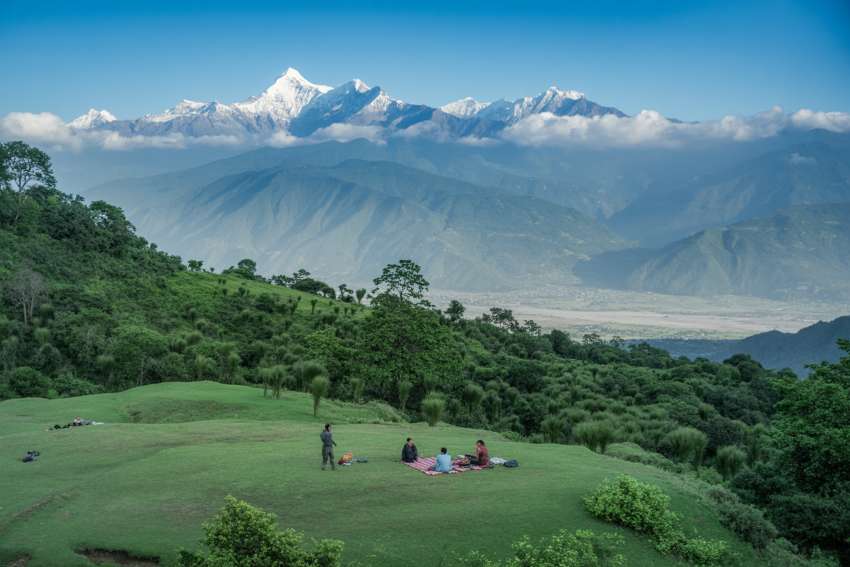
Kauledanda in Nisdi Rural Municipality, which is tucked away in the centre of Palpa, Nepal, has changed dramatically in the last fifteen years. This area, which was formerly covered in dense, wild bushes, is now a thriving ecotourism destination that draws domestic tourists from all over Nepal. In addition to improving the area’s natural beauty, this change has given the locals new ways to make money from tourists.
A Community Forest Blossoms into an Attraction
Kauledanda’s metamorphosis began when the land was officially registered as a community forest. Prior to this, the area had remained relatively untouched. However, as the forest came under community management, the local people, particularly the residents of nearby villages, began planting broom grass, locally known as amriso. This grassroots effort not only helped to improve the area’s aesthetics but also led to a new identity for Kauledanda. Today, the lush green forest, spread over more than 246 hectares, is a symbol of sustainable community-led environmental stewardship.
The introduction of broom grass not only changed the landscape but also made the area more appealing to visitors. The dense, vibrant green fields of broom grass, which sway gently in the breeze, now form the backdrop of Kauledanda’s scenic beauty. On clear days, visitors are treated to panoramic views stretching from the majestic Himalayas in the north to the vast Tarai plains in the south, making the area a perfect spot for nature lovers and adventure enthusiasts alike.
Growth in Visitors and Infrastructure Development
Since the commencement of the Dashain festival, Kauledanda has seen a consistent influx of tourists. The number of visitors has increased dramatically, with anywhere between 300 and 1,000 people visiting daily during the peak season. The improvement in road infrastructure has made the area more accessible, bringing in not only locals from Palpa but also tourists from neighbouring districts such as Nawalpur, Nawalparasi, Syangja, Tanahun, and Rupandehi. This has significantly boosted the local tourism economy.
The site is especially popular for sightseeing and family picnics, where visitors can take in the beautiful surroundings. However, the popularity of Kauledanda has led to crowded conditions, especially on clear days when the area is often bustling with visitors. Despite the challenges of accommodating so many tourists, the local community continues to benefit from the growing tourism sector, thanks to their hard work and the region’s increasing popularity.
Economic Impact and Local Benefits from Tourism
What was once a small community initiative has grown into a major driver of local income. In the early years, the local community primarily earned from the sale of broom grass, which was used for various purposes, including traditional brooms. Over time, however, the locals have found new ways to capitalise on their environmental and cultural assets through tourism. The sale of local products, such as handwoven baskets and herbal medicines, alongside the establishment of homestays, has become a significant source of income for the residents. This shift from agriculture-based income to tourism-driven revenue has provided the community with greater financial stability.
Local leaders, such as Daman Thapa, the chairperson of the Kauledanda Community Forest, have emphasised how the area has evolved over the years. The hard work of the community members has played a crucial role in the area’s transformation into a popular tourist hub. From a modest beginning of selling broom grass, the community now benefits economically from tourism through local businesses and hospitality services.
The region’s tourism potential is further bolstered by the introduction of homestays, where visitors can experience local Nepali hospitality. These homestays have become an essential part of the local tourism infrastructure, offering visitors a chance to live like a local while contributing directly to the community’s economy.
Government Support and Infrastructure Development
The development of Kauledanda into a prominent tourist destination has been made possible through collaboration between the local government, provincial authorities, and the federal government. Significant investments have been made in infrastructure development, including road access, drinking water facilities, toilets, and public amenities such as waiting sheds and picnic spots.
In line with the vision of promoting sustainable tourism, the Nisdi Rural Municipality has been instrumental in ensuring that Kauledanda remains a welcoming and well-maintained destination. A children’s park and a small museum showcasing the local culture and biodiversity have been added to enrich the visitor experience. Furthermore, the local government has allocated funds to build walking trails around the area, allowing tourists to explore the natural beauty of Kauledanda more thoroughly. These developments not only enhance the tourist experience but also ensure the long-term sustainability of the region’s tourism sector.
The successful collaboration between local, provincial, and federal governments has ensured that the area’s infrastructure is aligned with the growing number of visitors. With these improvements, Kauledanda is now ready to host more tourists while preserving its natural beauty and cultural significance.
Kauledanda: A Model of Sustainable Tourism
The emergence of Kauledanda as a major Palpa tourist destination serves as an example of sustainable tourism, showing how government assistance and community involvement can complement one another to spur economic growth. The community’s efforts to preserve and improve Kauledanda’s beauty for coming generations are a testament to the strength of local initiative and environmental stewardship.
In addition to helping the local economy, Kauledanda’s sustainable practices support Nepal’s larger environmental preservation initiatives. Kauledanda is a shining example of how tourism can promote both economic growth and environmental protection because of the forest’s preservation and the encouragement of eco-friendly travel practices.
The future of this formerly unexplored area of Palpa appears bright as more visitors recognise Kauledanda’s charm. Kauledanda is in a strong position to continue being a well-liked and sustainable travel destination for many years to come with sustained government support, community involvement, and an emphasis on sustainability.
The post Kauledanda in Palpa, Nepal: How a Community Forest Transformed into a Thriving Ecotourism Destination appeared first on Travel and Tour World














































Comments and Responses
Please login. Only community members can comment.