
















































India’s Railways Struggle to Handle Overwhelming Diwali and Chhath Festival Travel Rush as Millions of Passengers Face Unprecedented Delays and Chaos at Key Stations
-
Culinary, Children, Travel
-
-
4 mins
-
Travel and Tour World
-
Shraddha Das
-

India’s railway system is facing an unparalleled challenge as millions of passengers travel home for the Diwali and Chhath festivals, leading to severe congestion and long delays at key stations.
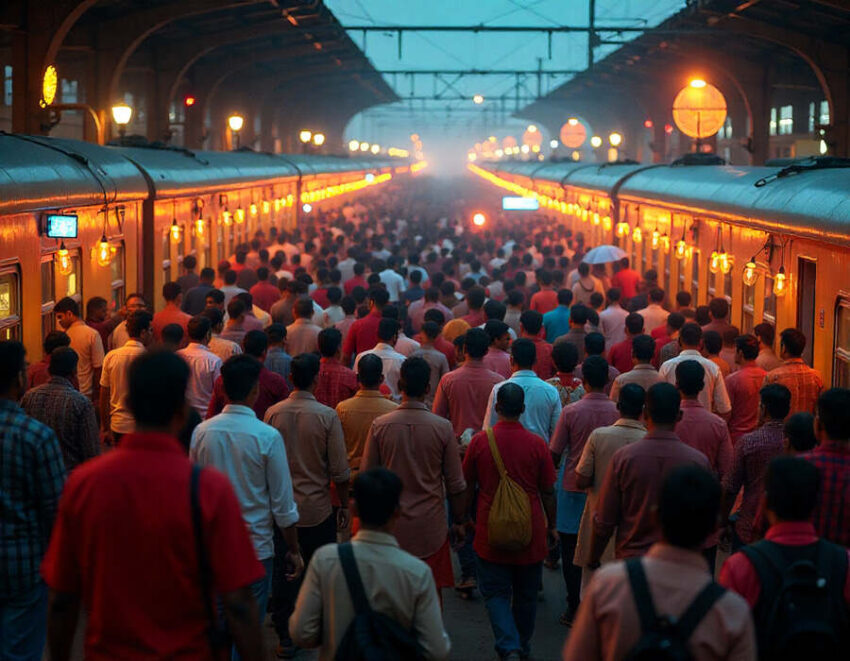
India’s railway system is facing an unparalleled challenge as millions of passengers travel home for the Diwali and Chhath festivals, leading to severe congestion and long delays at key stations. The surge in travelers, particularly those heading to Uttar Pradesh, Bihar, and Jharkhand, has stretched the country’s railway infrastructure to its limits. Overcrowded platforms, lengthy waits, and difficulties in ticketing have made the journey a stressful experience for many. Despite the efforts by the Ministry of Railways to manage the situation with special trains and additional crowd control measures, the sheer volume of travelers has resulted in significant chaos, highlighting the urgent need for long-term improvements to handle such festive surges.
India Faces Unprecedented Congestion at Railway Stations Amid Diwali and Chhath Festival Rush
Indian railway stations are experiencing record-breaking congestion as millions of travelers make their way home for the Diwali and Chhath festivals. The holiday rush has led to overcrowded platforms and lengthy delays, especially for passengers traveling to major destinations in Uttar Pradesh, Bihar, and Jharkhand. The surge in passengers is testing the limits of India’s railway infrastructure, and several stations have struggled to manage the influx.
Surat’s Udhna Railway Station Sees Extreme Overcrowding
One of the most dramatic examples of the chaos was witnessed at Udhna Railway Station in Surat, Gujarat. On Saturday night, passengers lined up outside Platform No. 6, where the queue stretched for over two kilometers. Many passengers, including women, children, and the elderly, had to endure waiting times of up to 12 hours for trains scheduled to depart on Sunday morning.
Footage from the station revealed passengers standing in the dust, winding through the station compound and spilling over into the nearby Limbayat area. The sight highlighted the overwhelming demand for trains and the massive challenge of controlling the crowds. The lack of seating or shelter only intensified the discomfort for those waiting.
The Ministry of Railways Responds with Immediate Measures
In response to the overwhelming congestion, the Ministry of Railways has implemented several key measures to ease the strain on the railway system. Special attention has been given to overcrowded stations, with the introduction of additional ticketing counters and new Passenger Facilitation Centers. Furthermore, to meet the demand, a total of 12,000 special trains have been scheduled throughout the festival season to help manage the massive flow of passengers.
Union Railway Minister Ashwini Vaishnaw visited New Delhi Railway Station on Saturday to assess the situation firsthand. With an estimated 175,000 passengers passing through the station, including 75,000 without reserved tickets, it was confirmed that the day marked the peak of the festive rush.
Vaishnaw emphasized that the Ministry is taking strong actions to prevent the spread of false information on social media, with FIRs being filed against offenders who were spreading rumors. Furthermore, the station has introduced holding areas to regulate passenger entry and ensure there are no stampede-like situations.
Crowd Management Solutions Implemented at Major Stations
Similar overcrowding was observed at key stations like Mumbai and Jhansi, where authorities quickly took steps to maintain order. At Mumbai’s Lokmanya Tilak Terminus, barricaded zones, colloquially referred to as ‘Khatals’, were set up for general coach passengers to help streamline the boarding process. These measures were implemented to reduce the risk of stampedes, a critical concern given the high volume of passengers.
The Railway Protection Force (RPF) and the Government Railway Police (GRP) have been deployed to stations in large numbers to manage security and prevent any untoward incidents. While many passengers have praised the improvements, others expressed frustrations over difficulties in purchasing tickets, with complaints of excessive charges and irregularities in ticket distribution outside the station.
Passenger Struggles at Jhansi and Other Stations
At Jhansi Railway Station, the overcrowding was particularly severe for trains traveling to Gorakhpur. Passengers resorted to climbing through windows and doors, demonstrating the intensity of the rush. In response, the Divisional Railway Manager (DRM) and RPF personnel quickly intervened to restore order and ensure safety.
In addition to the chaos surrounding ticketing and overcrowding, some passengers expressed concerns about the lack of basic amenities at these stations. Reports of long queues at toilets, food stalls, and inadequate seating options added to the difficulties faced by travelers.
Overwhelming Pressure on India’s Railway Infrastructure
The festive season has brought India’s railway infrastructure to its breaking point, revealing the immense challenges of handling such a vast number of travelers. With millions heading to their hometowns to celebrate the festivals, the railway system is under immense pressure, and the task of ensuring smooth travel is a daunting one.
Despite the efforts by the Ministry of Railways and local authorities to control the situation, the sheer scale of the rush has highlighted the need for long-term solutions to better manage passenger traffic during peak seasons. The introduction of special trains, along with enhanced crowd control strategies, has provided some relief, but these measures are only a temporary fix to a much larger issue.
India’s railways are struggling to manage the overwhelming Diwali and Chhath festival travel rush, causing severe congestion, long delays, and overcrowded stations. Despite efforts to alleviate the strain, the sheer volume of travelers has highlighted the urgent need for infrastructure improvements.
Looking Ahead: Improving Infrastructure for Future Festivities
While the current measures have helped alleviate some of the immediate pressure, the long-term solution lies in better infrastructure and advanced crowd management techniques. As the population continues to grow and the demand for travel during festivals like Diwali and Chhath increases, it is clear that the Indian railway system must evolve to accommodate this surge.
Looking forward, the focus must be on expanding capacity, improving station facilities, and enhancing the overall passenger experience to make travel during festive seasons more comfortable and efficient. As the country continues to celebrate its festivals, the railway system will remain a critical element of India’s transportation network, and ensuring its smooth functioning will be key to the country’s continued growth and development.
In the meantime, travelers heading home for the holidays must continue to rely on the improvements being rolled out, while managing the chaos that comes with one of the largest annual migration events in the world.
The post India’s Railways Struggle to Handle Overwhelming Diwali and Chhath Festival Travel Rush as Millions of Passengers Face Unprecedented Delays and Chaos at Key Stations appeared first on Travel and Tour World














































Comments and Responses
Please login. Only community members can comment.