
















































Birmingham’s Stunning Transformation, How the City Evolved into a Top Travel Destination in the United States
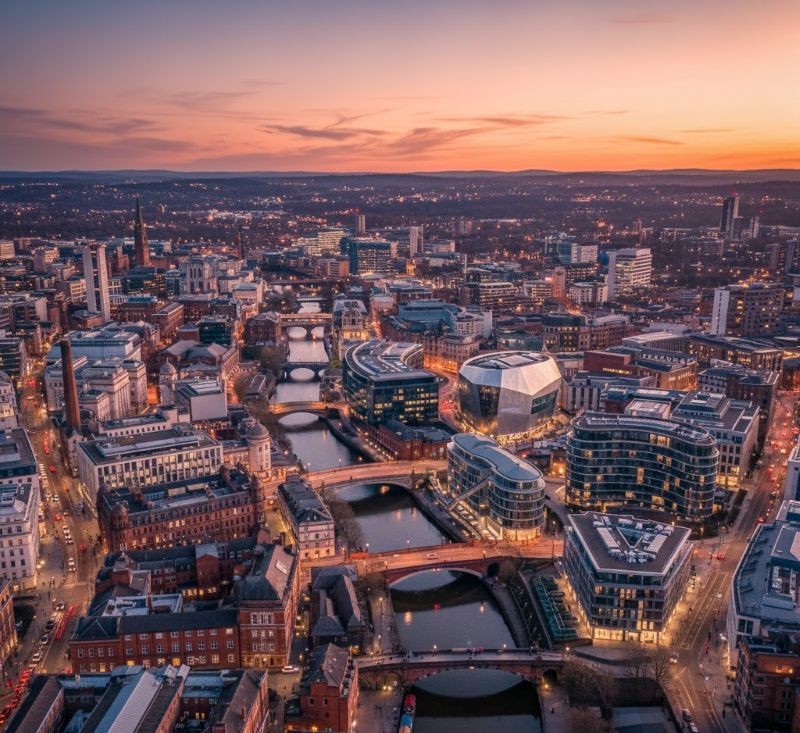
-
Entertainment, Culinary, History & Art, Travel
-
-
6 mins
-
Travel and Tour World
-
Upasana Chatterjee
-

Birmingham, once an industrial hub, is now a top travel destination. National Geographic highlights the city's transformation, boosting tourism and bringing global attention to its rich cultural offerings.
Birmingham has undergone a profound transformation in recent years, evolving from a city known for its industrial past into one of the most dynamic destinations in the United States. Once dominated by steel mills and industrial production, Birmingham now attracts both domestic and international travelers with its modern urban landscape. The shift from a heavy industrial economy to a vibrant, modern city has caught the attention of major publications and travelers alike. National Geographic recently highlighted Birmingham as one of the U.S. cities that have experienced significant revitalization. This recognition signifies a major milestone for the city, showcasing its successful combination of historical preservation and contemporary development. As more visitors flock to Birmingham, the city serves as a model for how urban renewal can preserve a city’s identity while meeting the needs of a modern tourism-driven economy.
A Trend of Transformation Across U.S. Cities
The changes happening in Birmingham are not unique. In fact, Birmingham is part of a broader movement affecting many U.S. cities that were once dominated by manufacturing industries. Cities such as Buffalo, Cleveland, and Detroit are experiencing similar reinventions. Historically, these cities were primarily industrial centers, but over time they have redefined themselves as modern, sustainable urban hubs. While their industrial pasts were once a defining feature, they have now embraced their heritage while turning their economies around by revitalizing their infrastructures and landscapes. This reinvention has not only brought new life to these cities but also attracted a new wave of travelers who are eager to explore the intersection of rich cultural heritage and modern development.
The thread that ties Birmingham to cities like Buffalo, Cleveland, and Detroit is their ability to transform old industrial spaces into dynamic, sustainable environments. This ongoing change is reshaping the tourism landscape by offering fresh and unique travel experiences that blend the historical and the contemporary. As these cities evolve, they offer travelers alternatives to traditional tourist destinations, encouraging exploration of places once overlooked by visitors.
Key Landmarks of Birmingham’s Urban Renewal
Central to Birmingham’s revival is its ability to maintain a balance between honoring its industrial past and embracing modernity. Several key landmarks in the city play an important role in this transformation, showcasing the city’s evolution from an industrial powerhouse to a vibrant urban center. These sites reflect both the city’s historical roots and its forward-thinking approach to development.
- Sloss Furnaces: Once a major site for iron production, Sloss Furnaces is now a museum and cultural center that celebrates Birmingham’s industrial legacy. This former factory offers visitors a chance to explore the city’s past, while also serving as a venue for modern art exhibitions and cultural events. This transformation represents Birmingham’s effort to keep its industrial heritage alive while fostering a new cultural identity.
- Birmingham Botanical Gardens: Nestled in the heart of the city, the Birmingham Botanical Gardens offer visitors a peaceful escape amidst the urban environment. The gardens highlight native plants, creating a sanctuary of greenery that reflects Birmingham’s commitment to preserving its natural environment amidst rapid urban development.
- Vulcan Park: At Vulcan Park, visitors can view the world’s largest cast-iron statue, which stands as a tribute to Birmingham’s historical role in the steel industry. The Vulcan statue symbolizes the city’s industrial roots while offering panoramic views of the city. The park also features exhibits that educate visitors about the historical significance of Birmingham’s steel industry.
- Five Points South: Known for its lively dining and entertainment scene, Five Points South is home to some of Birmingham’s best restaurants, including the famous Chez Fonfon. This district has become a gathering place for both locals and tourists, showcasing Birmingham’s diverse culinary offerings and vibrant street life.
- Birmingham Civil Rights National Monument and Institute: The Birmingham Civil Rights National Monument and Institute are among the most important landmarks in the city, reflecting Birmingham’s central role in the American Civil Rights Movement. The 16th Street Baptist Church, which was the site of a tragic bombing in 1963, and the Birmingham Civil Rights Institute, provide visitors with deeper insight into the city’s pivotal role in the movement. These sites serve as a reminder of the struggles and victories of the Civil Rights era.
These landmarks are more than just tourist attractions—they symbolize Birmingham’s ongoing evolution, capturing its ability to integrate its industrial heritage with contemporary urban development. The city has managed to preserve the essence of its past while embracing the future, making it a compelling destination for those interested in both history and modern life.
The Impact of National Geographic’s Endorsement
Being featured in National Geographic has significantly boosted Birmingham’s profile as a tourist destination. The publication’s recognition of Birmingham as one of the most revitalized industrial cities in the U.S. has brought the city into the international spotlight. This endorsement is expected to lead to an increase in tourism, as travelers seek out destinations that blend history with modern development. In 2023, nearly four million people visited Birmingham, and this number is expected to grow as the city continues to gain attention from global visitors. The recognition by such a well-respected publication will likely inspire more investments in the city’s infrastructure, local attractions, and cultural events, ensuring that Birmingham remains on its path of continued growth and improvement.
A Shift in Travel Preferences: The Emergence of New Destinations
The rise of Birmingham and other cities like Buffalo, Cleveland, and Detroit signals a shift in global travel preferences. Modern travelers are increasingly seeking destinations that offer a rich combination of history, culture, and sustainability. These cities, once dominated by their industrial legacies, have now reinvented themselves and are being celebrated for their ability to blend historical significance with contemporary appeal.
Today’s travelers are no longer satisfied with simply visiting popular tourist spots. They are seeking authentic experiences—destinations where they can engage with local culture and history while also benefiting from modern amenities and sustainable practices. Birmingham provides an excellent example of how cities can transform by embracing both their historical roots and modern innovations, offering visitors a more dynamic, engaging experience.
This shift in traveler preferences will likely influence the tourism industry moving forward. As cities continue to reinvent themselves, the demand for destinations that prioritize sustainability, cultural immersion, and historical education will rise. Cities like Birmingham, with their unique blend of past and present, will become key players in this new era of travel.
The Future of Travel: Sustainability and Cultural Immersion
Looking to the future of tourism, destinations like Birmingham are leading the way by offering travelers more than just conventional vacation experiences. Today’s tourists are increasingly focused on sustainability and cultural immersion. They are looking for places that offer both historical importance and modern eco-consciousness. Birmingham’s urban renewal efforts provide a model for other cities looking to reinvent themselves while maintaining their heritage. By incorporating sustainable practices and fostering cultural engagement, Birmingham attracts travelers who want more than just sightseeing—they want to form a deeper connection with the places they visit.
This shift in travel preferences reflects a broader societal change that values environmental responsibility, cultural awareness, and historical preservation. As more cities follow Birmingham’s lead, the global tourism industry will likely see an increase in demand for destinations that blend history, culture, and sustainability. Cities that focus on preserving their past while embracing the future will be the ones that resonate most with modern travelers.
Urban Renewal and the Global Tourism Shift
The revitalization of Birmingham and other cities undergoing similar transformations highlights the role of urban renewal in shaping the future of global tourism. As travelers increasingly seek out destinations that prioritize sustainability, culture, and historical significance, cities like Birmingham are setting new standards for what makes a destination appealing. The city’s success in revitalizing its infrastructure while respecting its historical roots serves as a blueprint for other cities around the world.
For Birmingham, its urban renewal has not only brought new life to the city but has also created a new model for how cities can adapt to the needs of contemporary travelers. By offering a mix of modern development and historical preservation, Birmingham is redefining what a travel destination can be. The city’s success is likely to inspire other urban areas to invest in similar strategies, further reshaping the global tourism landscape.
The Global Impact of Reimagining Industrial Cities
The transformation of Birmingham is part of a larger global trend where former industrial cities, once associated with economic decline, are now being reimagined as vibrant cultural hubs. Cities that were once struggling with economic hardships due to the decline of manufacturing industries are now emerging as top travel destinations. This shift reflects broader societal trends that focus on sustainability, community engagement, and cultural preservation.
As Birmingham continues to evolve, its example will likely influence how other cities approach urban development. The city’s success in transforming its industrial heritage into a thriving cultural and tourist destination serves as a powerful reminder that cities with industrial pasts can reinvent themselves into sustainable, culturally rich urban environments. The growing interest in these transformed cities is reshaping the global tourism landscape, offering new opportunities for travelers to experience places in ways that were previously unimaginable.
Birmingham’s Role in Redefining American Tourism
In conclusion, the transformation of Birmingham represents a remarkable success story for both the city and the broader tourism industry. As cities like Birmingham continue to evolve, they are setting a new standard for what makes a destination truly appealing. The combination of rich history, cultural engagement, and sustainable practices will continue to attract modern travelers. As more cities undergo similar transformations, the global tourism industry will shift toward destinations that offer meaningful, immersive experiences that connect travelers to both the past and the future.
Birmingham is not just redefining itself—it is reshaping the way we think about urban renewal and the future of tourism. As the city continues to grow and thrive, it will serve as a model for other cities around the world, showing that even the most industrialized areas can evolve into vibrant, sustainable destinations that attract visitors from all corners of the globe.
The post Birmingham’s Stunning Transformation, How the City Evolved into a Top Travel Destination in the United States appeared first on Travel and Tour World














































Comments and Responses
Please login. Only community members can comment.